
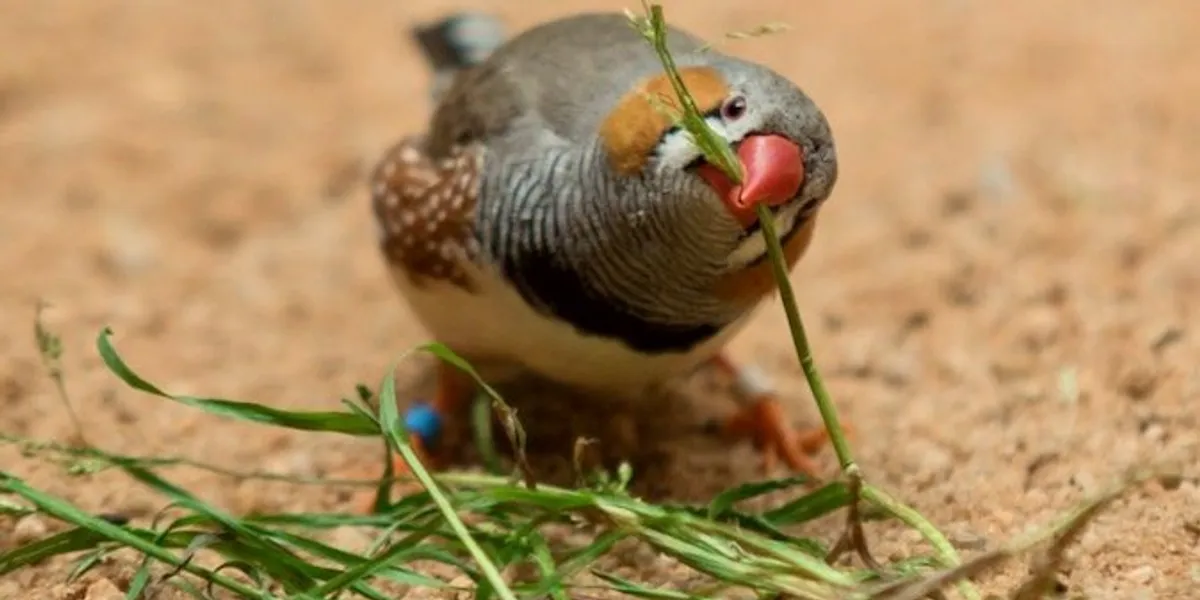
Cage size is one of the few things in finch keeping where the numbers genuinely matter. Get it right and you'll see the difference in their movement, their mood, and their health almost immediately. Get it wrong and no amount of good food or careful handling will fully compensate. Here's the quick answer first, then the reasoning behind it.
Quick Specs: Minimum Cage Size and Bar Spacing
These are the baselines I work from. Treat them as the floor, not the target.
- Minimum width for a single pair: 30 inches. Width is the most important dimension because finches fly horizontally, not vertically.
- Recommended height: 18 to 20 inches. Enough for vertical variety without wasted space they won't use.
- Recommended depth: At least 18 inches. This lets birds move diagonally and breaks up the feeling of a narrow corridor.
- Bar spacing: 3/8 inch is ideal. No more than 1/2 inch for adult birds. Young finches need 3/8 inch or tighter.
- Bar orientation: Horizontal or vertical both work. Finches don't climb the way parrots do, so orientation matters less than spacing.
- For groups: Add meaningful width as the flock grows. A group of four needs substantially more space than a pair, with clear flight lanes between perch stations.
If you're evaluating cages in a store or online, those numbers give you a fast filter. Anything shorter than 30 inches wide for even one pair should go back on the shelf.
Why Width Matters More Than Height
Finches experience their world horizontally. In the wild, they make quick, purposeful dashes between branches and across open ground, rarely climbing vertically the way parrots or conures do. That movement pattern doesn't change just because they're in a cage.
A cage wide enough for real flight changes how a finch carries itself. Birds I've kept in spacious flight cages glide back and forth, call more often, and settle into calmer daily routines. The same species in a narrow cage becomes jittery and quick to startle. Once I made the switch to wider setups, the difference in energy and temperament was hard to miss. Width also reduces social tension. Even a bonded pair benefits from enough horizontal room that each bird can retreat without confrontation.
Why Bar Spacing Is a Safety Issue, Not a Preference
Finches are small birds with small heads, and bar spacing that looks fine to a human eye can be a real hazard. A curious or panicked finch will test gaps, and a head that gets stuck is a genuine emergency. I've kept the 3/8 inch rule as a hard limit after watching a young bird spend a panicked few seconds with its head between bars that were listed as "finch safe" at 1/2 inch.
Bar spacing also shapes how secure the birds feel. Wider gaps create a more exposed feeling inside the cage. Finches read the visual density of their surroundings, and tighter bars give them a sense of shelter, especially when they're roosting near the sides at night. For mixed-species setups, confirm the spacing works for the smallest bird in the cage, not just the average.
Sizing for Pairs, Small Groups, and Aviaries
The math changes as you add birds. A single pair can manage in a 30-inch-wide cage, but every additional pair or individual means you need to think in terms of flight lanes, not just square footage. Here's how I think about it:
- One pair: 30 inches wide, 18 inches tall, 18 inches deep is a workable starting point.
- Three to four birds: Push width to at least 36 inches and prioritize an open center lane with perches set at the far ends.
- Small colony (five or more): A flight cage or aviary setup is the right answer. A standard cage becomes too small too fast once you factor in accessories and natural territorial spacing.
- Breeding pairs: Breeding activity increases territorial behavior, so even a two-bird breeding pair benefits from extra room. If you're housing multiple breeding pairs, separate territories or a much larger flight cage will prevent aggression.
The best cages for finch pairs and groups are designed with these layered needs in mind. It's worth reading before you buy if you're housing more than two birds.
How to Tell If the Cage Is Too Small
The birds will tell you before any measuring tape will. These are the signs I watch for:
- Wing clipping on perches or bars. If a finch startles and hits the side wall before it can finish its wing stroke, the cage is too narrow.
- Frantic wing-flapping instead of gliding. A finch with enough room glides. One without enough room flaps in place or makes short, frustrated hops.
- Constant squabbling. Some social tension is normal, but birds in undersized cages escalate quickly because there's no room to put distance between them.
- Reluctance to fly at all. Finches that stop flying and just perch passively are often reacting to a cage that doesn't give them a reason to move.
- Feather damage near the tips. Repeated contact with bars during flight causes wear and fraying that you can see on the primary feathers.
These signs show up before any physical injury does, so they're useful early warnings. If you see two or more of them consistently, the cage is the first thing to examine. For stress symptoms that go beyond cage size, the full guide on finch stress signs covers the broader picture.
Accessories Take Up Space: Plan for It
One thing that catches new owners off guard is how quickly accessories shrink the usable interior of a cage. Perches, swings, food dishes, water dispensers, and nesting boxes all eat into the flight lane. My approach is to place everything along the perimeter and leave the center of the cage as open as possible.
- Perches: Set them at opposite ends to create a point-to-point flight path. Avoid stacking perches vertically in the same column. For ideas on what to use, natural versus store-bought perches is worth a look.
- Food and water dishes: Mount on the sides or near the bottom. Hanging dishes from the center ceiling interrupt the main flight lane.
- Nesting boxes: Place in a corner at mid-height, not blocking the primary flight path between the two main perch stations.
- Toys: One or two is enough. A cage stuffed with toys is harder to clean and harder to navigate.
This layout discipline matters more in a minimum-size cage than in a roomy flight cage. The bigger the setup, the more forgiving the accessory placement can be.
Cage Size and Daily Maintenance
There's a practical dimension to cage size that doesn't get talked about much: cleaning. A properly sized cage is significantly easier to maintain because you can reach all corners, swap out the liner, and remove dishes without pushing the birds into panicked corners. When a cage is too cramped, daily spot cleaning turns into a stressful event for both you and the flock. Finches that are regularly disturbed during cleaning are slower to settle back into their routine.
A good maintenance schedule matters as much as the cage dimensions. If you're not sure how often deep cleaning should happen, how often to clean your finch's cage walks through the full routine.
FAQs: Finch Cage Size and Bar Spacing?
Here are the questions I hear most from people setting up their first or second finch cage:
What is the minimum cage size for two finches?
For a single pair, 30 inches wide by 18 inches tall by 18 inches deep is the workable minimum. That said, bigger genuinely improves their behavior and health, so if your space allows for a longer flight cage, it's worth the upgrade.
What bar spacing is safe for finches?
3/8 inch is the safest bar spacing for most finch species, including juvenile birds. 1/2 inch is the absolute maximum for adult birds. Anything wider creates a head-entrapment risk and makes the birds feel less secure inside the cage.
Does a taller cage make up for a narrow one?
No. Finches are horizontal flyers, so height doesn't substitute for width. A tall, narrow cage gives them nowhere to actually fly and often leads to the same cramped-behavior signs as a simply too-small cage.
Can finches share a cage with other bird species?
Sometimes, but the cage sizing requirements shift when you add other species. Bar spacing that's safe for your finches may not be safe for smaller birds, and territorial dynamics change with mixed species. The full breakdown on mixing finch species in one cage is a good starting point before you decide.
The Right Cage Is the Foundation
Almost everything else in finch keeping, food quality, enrichment, lighting, social pairing, sits on top of the cage setup. Get the size and bar spacing right and the rest of the work becomes easier. Get it wrong and no amount of effort in other areas fully compensates. The 30-inch width and 3/8-inch bar spacing aren't arbitrary numbers. They reflect how finches actually move, explore, and feel safe. Build from there and you'll have a setup worth everything else you put into it.