
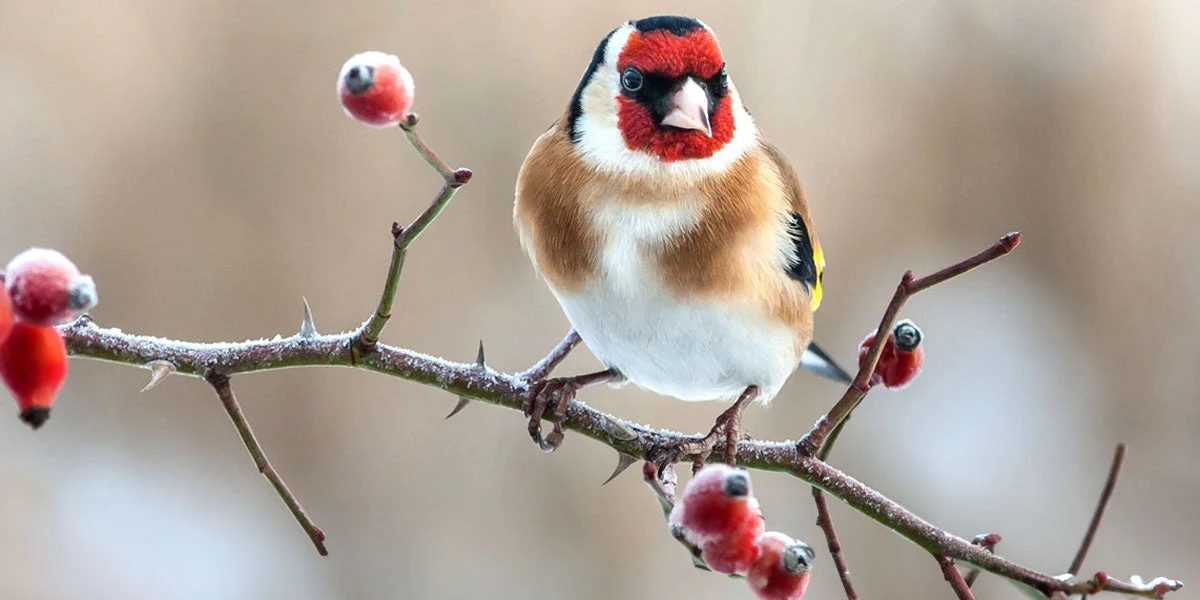
Ask most people what finches eat and they'll say seeds. That's partly right, but it's like answering "what do humans eat?" with "bread." The full picture is a lot more interesting, and understanding it changes how you feed your birds at home.
The short answer: wild finches eat a rotating mix of seeds, plant material, insects, and greens depending on the season and what's available. Pet finches eat whatever their owners give them, which is usually seed mixes, and often not much else. That gap is where most captive finches quietly run into trouble.
What Finches Eat in the Wild
Wild finches are natural foragers. They don't sit at one food source all day. They move constantly through their environment, picking up small amounts of different foods as they find them. The variety isn't accidental. It's how their bodies are built to eat.
Seeds and Grasses
Seeds are the backbone of a wild finch's diet, but these aren't the dried, processed seeds in a commercial bag. Wild finches crack open fresh grass heads, weed seeds, and plant stems that are still alive with moisture and natural oils. Common wild food sources include:
- Grass seeds from meadow grasses and wild millet varieties.
- Weed seeds from thistle, dandelion, dock, and chickweed.
- Tree and shrub seeds depending on the species and region.
- Small plant seeds from wildflowers and garden escapees.
That freshness matters. Wild seeds contain living enzymes and natural moisture that commercial seed mixes lose in storage. Finches eating fresh seeds get a nutritional profile that's genuinely different from what comes out of a bag.
Greens and Vegetation
Wild finches pick at young shoots, tender leaves, and plant stems as they forage. These aren't side dishes. Green plant material provides hydration, fiber, and micronutrients that seeds alone won't deliver. Finches that eat plenty of fresh vegetation tend to have better digestion and more consistent energy throughout the day.
Insects and Protein
This one surprises a lot of people. Finches are primarily seed-eating birds, but wild finches do eat insects, especially during breeding season and when raising chicks. Small insects, larvae, and tiny invertebrates hiding in vegetation give them protein and amino acids that plant foods can't fully supply. It's not a huge part of the daily diet outside of breeding season, but it's real and it matters.
How the Seasons Change Everything
A wild finch's menu shifts dramatically through the year. In spring and summer, fresh seeds, abundant greens, and insects are everywhere. The diet is varied and rich. Come fall and winter, finches shift toward dried seeds and whatever hardy vegetation survives. Their digestive systems adapt. They become competent at processing different food types because the environment keeps changing. That adaptability is part of what makes wild finches resilient.
What to Feed Finches in Captivity
Captive finches can't forage, so the variety has to come from you. The goal isn't to exactly replicate what a wild bird eats on a Tuesday in April. It's to match the principles: diversity, freshness, and some rotation. Here's how the main food groups translate from wild to home:
- Seeds. A quality finch seed mix is the right starting point, not the whole diet. Look for mixes with canary seed, white millet, and a few smaller varieties rather than mixes padded with filler. Know that bagged seeds lack the moisture and natural oils of fresh wild seeds, so they work best alongside other foods. If you're weighing the seed-only approach, this comparison of seeds vs. pellets is worth reading before you decide.
- Fresh greens. Offer leafy greens several times a week. Finches enjoy spinach, kale, romaine, chickweed, and dandelion greens. These provide the hydration and fiber that dry seeds lack. Start small if your birds are skeptical, and check out how to introduce fresh foods to a reluctant finch if they won't touch it at first.
- Sprouted seeds. Sprouting turns dry seeds into living food, restoring enzymes and moisture that the drying process removed. It's the closest thing to what wild finches eat from fresh grass heads. My birds react to sprouts the way they'd react to foraging in the wild: with genuine enthusiasm.
- Vegetables and fruit. Small pieces of carrot, broccoli, apple, and similar foods add variety and micronutrients. Know which ones are safe before you experiment. Some people-food is fine for finches; some of it isn't. The list of best fruits and vegetables for finches is a reliable place to start.
- Protein. During molting or breeding season, offer small amounts of egg food, dried insect crumble, or a commercial finch soft food. Protein helps with feather regrowth and supports chick development. Outside those periods, treat it as a periodic supplement rather than a daily staple.
- Fresh water. This one gets overlooked. Captive seed diets are much drier than what wild birds eat, so pet finches need reliable access to fresh, clean water at all times. Change it daily.
One thing that's easy to miss: certain foods that seem harmless are actually dangerous for birds. Before you start experimenting with new foods, it's worth knowing which foods you should never feed finches.
Replicating Wild Eating Patterns at Home
Beyond food groups, wild finches eat in a particular way that's worth mimicking. They graze throughout the day in small amounts rather than eating one big meal. They encounter variety because foraging naturally rotates what's available. They eat fresh food because that's what nature provides.
At home, you can build toward this by keeping the seed dish stocked but not overflowing, rotating which greens and vegetables you offer day to day, and changing things up seasonally. Wild finches naturally eat differently in spring than in winter. Following that rhythm keeps their diet from going stale. A structured approach to seasonal diet changes for finches can help you build the rotation.
A Sample Daily Menu for a Pet Finch
This isn't a rigid prescription. It's more of a template that gives you a sense of what a varied day of feeding looks like for a single bird or pair:
- Morning: fresh seed mix topped up, plus a small pinch of sprouted seeds alongside.
- Mid-morning: a clip of fresh greens (spinach, chickweed, or romaine) fastened to the cage bars.
- Afternoon: a small piece of vegetable (carrot, broccoli) or fruit (apple, blueberry) on a skewer or in a small dish.
- Two to three times per week: a teaspoon of egg food or soft food for variety and protein.
- All day, every day: fresh, clean water changed at least once daily.
Remove uneaten fresh foods after a few hours so nothing sits and spoils. The goal is variety and freshness, not quantity.
FAQs: What Do Finches Eat?
Here are the questions I get most often about finch diet from new owners:
Can finches survive on seeds alone?
Technically yes, but not well. A seed-only diet is nutritionally incomplete for captive finches. It's the equivalent of feeding a person nothing but crackers. They'll survive for a while, but feather quality, energy, and long-term health all take a hit. Seeds should be the base, not the whole diet.
Do pet finches eat insects?
They can and many will, especially during breeding season or molting. Small dried insects, insect crumble, or egg food are easier to offer than live bugs and still provide the protein boost wild finches get from insects in nature. Offer it occasionally rather than daily outside of breeding periods.
What greens are safe to feed finches?
Spinach, kale, romaine, Swiss chard, dandelion greens, and chickweed are all safe and nutritious options. Avoid avocado, onion, and anything from the allium family. When in doubt, check a trusted source before offering something new.
How often should I offer fresh food?
Daily is ideal, or as close to it as your schedule allows. Fresh greens a few times a week is a minimum. The more variety and freshness you can build into the routine, the closer you get to a wild-diet quality that supports good feather condition, energy, and mood.
Do finches prefer certain foods?
Yes, individual birds have preferences just like people do. Some finch species lean heavily toward specific seeds or greens. Try a range of options and watch what disappears fastest. Over time you'll learn which foods your particular birds enjoy most.
The Bigger Picture
Wild finches thrive because their environment forces dietary variety. Captive finches depend on us to provide that variety intentionally. Once you start thinking of the seed dish as a foundation rather than a complete solution, everything else falls into place. Add greens, rotate vegetables, offer protein a few times a week, keep the water fresh, and your finches will have the kind of diet their bodies are actually built for.