
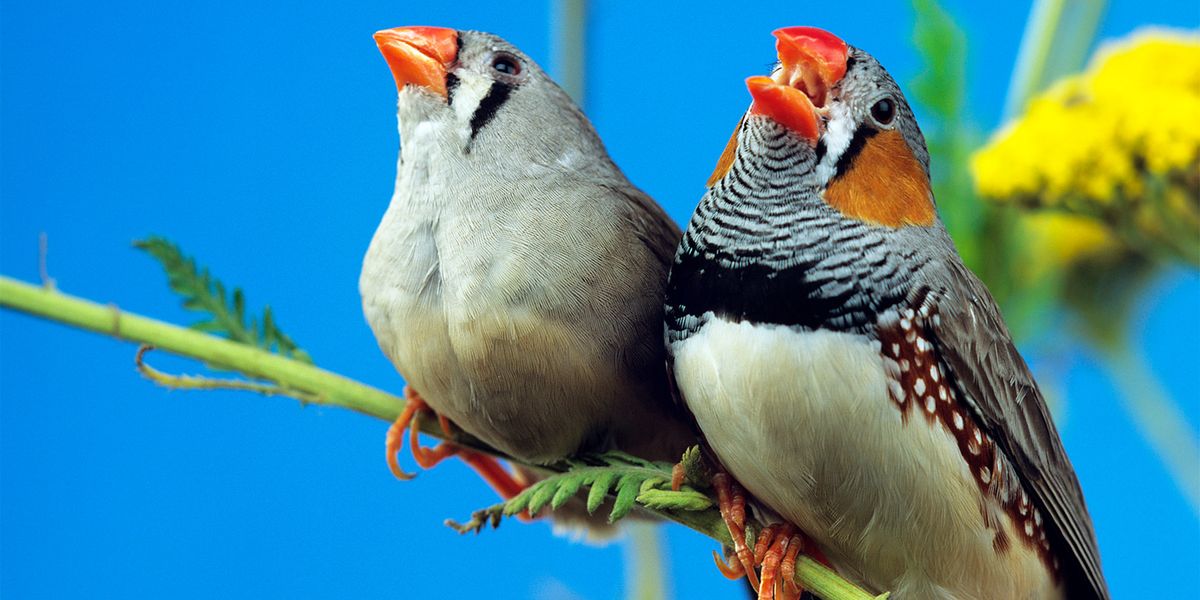
Finches are small, but their needs are specific. After years of keeping these birds, I can tell you that proper finch care at home comes down to five pillars: housing, diet, cleaning, health monitoring, and enrichment. Get all five working together and you'll have a bird that sings daily, keeps bright plumage, and stays healthy for years. Neglect even one and you'll start seeing the cracks.
This guide covers each pillar in enough detail to set you up from day one, plus a quick-start checklist at the end so you can apply everything immediately. Whether you're keeping a zebra finch, a society finch, or a small group of mixed species, the core care framework is the same.
The Five Pillars of Finch Care at a Glance
Before diving deep, here's a quick map of what actually keeps pet finches healthy:
- Housing. A wide cage with appropriate bar spacing, good placement, and a simple interior layout that lets finches fly.
- Diet. A seed and pellet base with fresh food variety, daily water changes, and calcium access year-round.
- Cleaning. Daily liner swaps, weekly cage scrubs, and zero aerosol cleaners anywhere near birds.
- Health monitoring. Daily observation, knowing what normal looks like, and knowing when to call a veterinarian.
- Enrichment. Baths, perch variety, rotating toys, and companionship that matches their social needs.
Each section below goes deeper. If you're short on time, jump to the New-Owner Quick-Start Checklist at the bottom.
Housing: Cage Setup and Placement
The cage is the foundation of any good finch habitat. Get this wrong and the other pillars have less room to work.
Finches are horizontal fliers. They don't climb the way parrots do; they dart side to side. That means cage width matters far more than height. A wide rectangular cage, at minimum 24 inches wide for a pair, gives them room to actually fly short bursts rather than just hop in place. Bar spacing should be no wider than half an inch to prevent escape and to protect small heads from getting wedged.
Placement shapes their whole experience. A few guidelines I follow:
- Avoid drafts. Keep the cage away from windows that open frequently, exterior doors, and air vents. A draft is one of the fastest ways to stress a finch.
- Avoid direct midday sun. A little morning light is fine, but direct afternoon sun overheats a small bird fast.
- Position at or just above eye level. Finches feel more secure when they can survey their surroundings. Floor-level cages make them anxious.
- Avoid the kitchen. Cooking fumes, including non-stick cookware off-gassing, can be fatal to birds. A nearby bedroom or living space is far safer.
Inside the cage, keep the layout functional. Natural wood perches of varying diameters are best because different grip widths exercise the feet differently and reduce the risk of pressure sores. Skip sandpaper-coated perches entirely; they damage foot skin. Leave clear flight paths between perches and feeders so birds can move without navigating around obstacles. Toys are welcome but limit them to two or three items at a time so they don't crowd the flying space.
Diet: Seeds, Pellets, Fresh Food, and Water
A seed-only diet is the single most common nutritional mistake finch pet parents make. Seeds are essential, but they're high in fat and short on several vitamins and minerals that finches need long-term. The goal is balance.
A solid diet framework looks like this:
- Seeds as the base. A quality finch seed mix gives them the textures and flavors they're drawn to naturally. Look for mixes with variety rather than one dominant seed type.
- Pellets as the supplement. Introduce pellets gradually alongside seeds. Some finches resist them at first, but persistence pays off. Pellets fill the vitamin and mineral gaps that seeds leave.
- Fresh food for micronutrients and variety. Chopped leafy greens like spinach and kale, grated carrot, small pieces of apple, and cooked egg are all excellent additions. Offer small amounts so nothing sits long enough to spoil.
- Calcium access year-round. Cuttlebone or a mineral block should always be available. Finches self-regulate how much they take, and it becomes especially important during molting and breeding.
- Fresh water daily. Even water that looks clean can carry bacteria from beak contact and food particles. Replace it every day, and rinse the dish before refilling. In warm weather, check it twice a day.
Remove any uneaten fresh food within two to three hours. Spoiled food in a cage is a direct path to bacterial infection.
Cleaning: Daily, Weekly, and Deep Routines
A clean cage is one of the most effective health interventions available to a finch owner. It costs mostly time rather than money, and the payoff is significant.
Here's how I break down the cleaning schedule:
- Daily. Swap the cage liner (plain paper works perfectly and makes it easy to monitor dropping changes), remove any uneaten fresh food, and rinse and refill the water dish.
- Weekly. Remove perches and dishes, wash them with warm water and mild unscented soap, rinse thoroughly, and let everything dry completely before putting it back. Moisture left on surfaces breeds mold.
- Monthly or as needed. Wipe down cage bars, inspect toys for fraying or damage, and replace any perches that are cracked or heavily soiled.
Two things to avoid entirely: scented cleaners and aerosol products near birds. Finch respiratory systems are extremely sensitive. Fumes that barely register to a human can cause serious harm to a small bird. Plain soap, warm water, and a scrubbing brush handle almost everything. For stubborn buildup, a mild diluted vinegar solution is safe when rinsed well.
For a detailed breakdown of timing and what a thorough cleaning actually involves, the full guide on how often to clean a finch's cage is worth reading.
Health Monitoring: Daily Observation and When to Act
Finches hide illness well. By the time a bird looks obviously sick, it's often been struggling for a while. Daily observation is what catches problems early, when they're still manageable.
Healthy finch baselines to know:
- Active movement throughout the day, not just in bursts.
- Bright, clear eyes with no discharge.
- Smooth, well-arranged feathers held close to the body.
- Consistent eating and drinking patterns.
- Normal droppings: dark solid portion with a white cap and a small clear liquid component.
Warning signs that need attention:
- Fluffed feathers for extended periods, especially if paired with low activity.
- Sitting on the cage floor instead of on a perch.
- Watery, discolored, or absent droppings.
- Labored breathing, tail bobbing with each breath, or clicking sounds.
- Rapid or unexplained weight loss (a bird that feels lighter when cupped).
Most of those symptoms call for a veterinarian, not a wait-and-see approach. Birds deteriorate quickly once visibly ill. A good avian vet can also catch issues during routine checkups before behavioral signs appear, which is why regular vet checkups matter for finches even when everything looks fine.
Molting is worth mentioning separately because it mimics illness to new owners. During molting, finches lose and regrow feathers, often look a little rough for a few weeks, and may go quieter than usual. Behavior and appetite should remain roughly normal. If both change, it's likely more than a molt.
Enrichment: Baths, Companionship, and Mental Stimulation
Enrichment for finches looks different from enrichment for parrots. These are not hands-on birds; they don't seek out puzzle feeders or clicker training sessions. What they do need is space to express natural behaviors: flying, bathing, foraging, and socializing with other birds.
The high-impact enrichment items for finches are:
- Bathing. Offer a shallow bath dish two to four times a week. Most finches love it, and post-bath preening is one of the clearest signs of a content bird. Use a dish shallow enough that a small bird can stand in it safely. If one bird avoids it, try different times of day or a shallower dish and be patient.
- Perch variety. Natural branches of different diameters and textures engage feet differently and provide mild foraging interest. Rotating them occasionally keeps the habitat feeling fresh.
- Toys kept minimal and rotated. A couple of toys at a time, swapped every week or two, provides novelty without crowding flight space. Small swings, natural fiber objects, and wooden rings tend to hold their interest.
- Companionship. Most finch species are genuinely social. A single finch can manage, but a pair or small group typically shows more active, vocal behavior. Be careful not to overcrowd; competition for food and perches creates stress rather than company.
Finch grooming is part of enrichment too, though much of it happens naturally through bathing and the birds preening each other. Understanding what's normal and what needs intervention is covered in the complete guide to finch grooming.
Seasonal and Situational Adjustments
Finch care doesn't stay exactly the same all year. A few situations call for adjustments:
- Hot weather. Keep the room cool, avoid placing the cage in direct afternoon sun, and replace water more frequently. Heat stress in finches progresses faster than most owners expect.
- Cold snaps. Move the cage away from drafty windows. Most pet finches are comfortable in the same temperature range humans are, but drafts kill that margin quickly.
- Molting season. Increase nutrient-rich foods, reduce unnecessary stressors, and expect a temporary dip in song and activity. This is normal and passes within a few weeks.
- Travel. Arrange a caregiver who understands finch needs before you leave, not after. Daily water and food checks, plus a quick behavior scan, are the minimum. Automated feeders are a useful backup but don't replace human observation.
- Breeding. Don't introduce nesting boxes casually. Breeding increases territorial behavior, nutritional demands, and cage complexity significantly. Be ready for it before it happens.
Building a Predictable Daily Routine
Finches are creatures of habit. A predictable routine reduces background stress significantly, and lower stress means more singing, better feather condition, and a bird that's visibly calmer when you approach the cage.
The foundation of a good daily routine covers feeding at consistent times, water changes, a quick health scan, and a brief period of natural light. Beyond that, the routine can flex around your schedule. What matters is consistency, not complexity.
If you want a structured, time-blocked version of what an ideal day looks like for both you and your birds, the daily routine for finch owners walks through morning, midday, and evening tasks in detail.
New-Owner Quick-Start Checklist
If you're setting up for the first time, work through this list before bringing your finch home:
- Choose a wide cage. Minimum 24 inches wide for a pair, with bar spacing no wider than half an inch.
- Position it right. Away from kitchens, exterior doors, drafty windows, and direct afternoon sun.
- Set up the interior. Two to three natural wood perches of varying diameter, one or two simple toys, a water dish and seed feeder placed so they don't sit under perches.
- Stock the diet. Quality finch seed mix, pellets to introduce gradually, cuttlebone, and a plan for small amounts of fresh food added daily.
- Establish the cleaning routine. Daily liner swap and water change from day one; weekly scrub of perches and dishes.
- Learn what healthy looks like. Spend the first two weeks watching your bird closely to establish baselines before anything looks wrong.
- Find an avian vet. Locate one before you need them. Emergency searches when a bird is already sick cost time you don't have.
- Plan for enrichment. Have a shallow bath dish ready and plan a twice-weekly bath schedule.
- Consider companionship. If you're keeping a single finch, monitor for signs of loneliness and be prepared to add a companion.
- Set a feeding schedule. Consistency matters more than the exact timing. Pick times that work for you and stick to them.
Getting all ten of these in place before your bird arrives means you're managing a routine rather than scrambling to build one.
FAQs: Finch Care at Home
Here are the questions I hear most from new finch owners:
How many finches should I start with?
A pair is usually the best starting point. Finches are social birds and most species do better with company. Starting with two rather than one gives you a visible picture of normal social behavior and makes both birds more active and vocal. Just make sure your cage is wide enough for two birds to move around without constant territorial friction.
Do finches need to be handled to stay tame?
Not the same way parrots do. Most finch species prefer observation to handling, and a calm, low-pressure environment builds their trust more effectively than repeated hands-on contact. You'll know you've built a good relationship when they stop startling every time you approach the cage and when they continue eating or preening while you're nearby.
How do I know if my finch is sick?
The clearest early signs are fluffed feathers held for long periods, reduced activity, changes in droppings, and decreased appetite. A bird sitting on the cage floor instead of a perch is a red flag. If you see any of these, call an avian veterinarian rather than waiting to see if things improve on their own. Birds hide illness until they can't, and early intervention makes a real difference.
What's the most common mistake new finch owners make?
Feeding seeds only. A seed-only diet looks fine on the surface for a while, but the nutritional gaps catch up. Adding pellets and small amounts of fresh food from the start prevents the slow-building deficiencies that lead to health problems down the road.
Consistent Care Pays Off
Finch care at home isn't complicated, but it is specific. The five pillars of housing, diet, cleaning, health monitoring, and enrichment work together as a system. Strengthen all five and the results show up clearly: a bird that sings most of the day, holds its feathers well, eats reliably, and stays engaged with its habitat. Those visible signals are your feedback loop. When they're present, your routine is working. When one fades, it's pointing you toward the pillar that needs attention.