
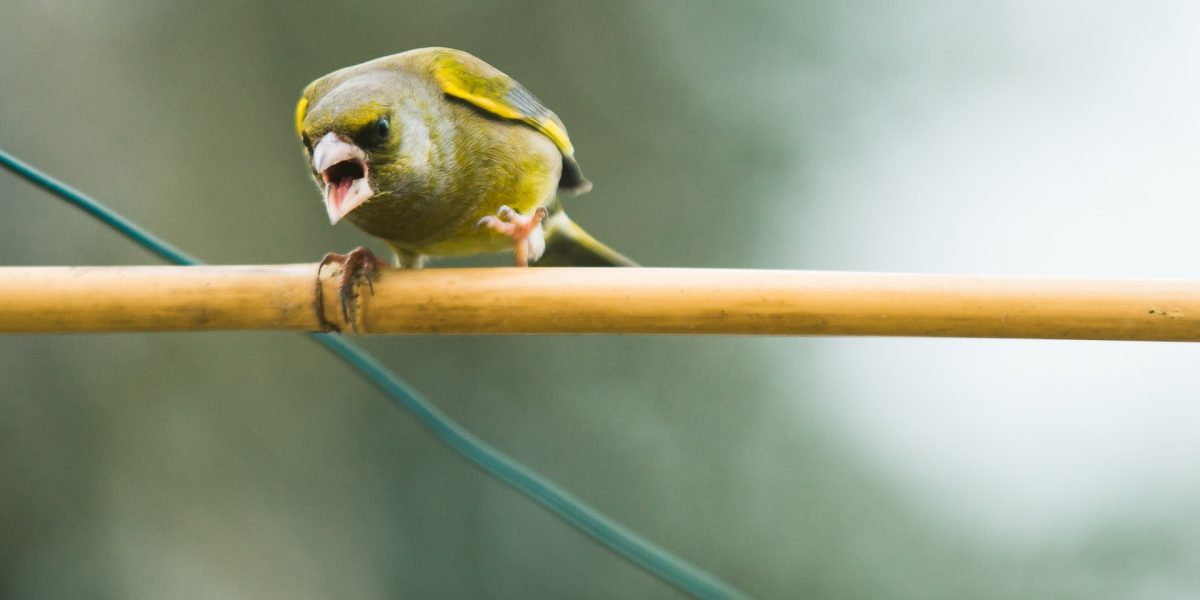
Every finch cage I've built has taught me something the previous one didn't. Get the size wrong and the birds hop instead of fly. Get the placement wrong and they spend half the day stressed. Get the layout wrong and feeding becomes a squabble. The goal of a good finch cage setup isn't perfection on day one. It's building a space that feels safe, functions well, and can be adjusted as you learn what your birds prefer.
This guide walks you through the whole process: what to gather, how to assemble it step by step, where to place the cage, and what to watch for in the first two days.
What You Need Before You Start
Gathering your supplies ahead of time makes the setup go smoothly. Here's everything worth having on hand before you bring a finch home:
- A flight cage sized for horizontal movement. Finches need length, not height. A single pair does well in a cage at least 30 inches wide, and larger is always better.
- Natural wood perches in mixed diameters. Varied thickness exercises the feet and prevents pressure sores. Avoid sandpaper perches and anything treated with toxic coatings.
- Two food cups and one water cup. Separate cups at opposite ends of the cage reduce competition during feeding.
- A shallow bath dish. Finches bathe daily when given the chance. A dish about an inch deep keeps splashing manageable.
- Paper-based bedding or cage liner. Plain paper liners or paper pellets are clean, non-toxic, and easy to swap out without disturbing the birds.
- A seed mix appropriate for your species. Zebra finches, society finches, and Gouldians all have slightly different dietary preferences, so match the mix to the bird.
- A few simple toys or enrichment items. Swings, a small wooden ladder, or a natural branch to explore. Keep it minimal to start.
- A full-spectrum bird-safe light source. Useful if natural light is limited, especially in winter months.
- A thermometer for the room. Finches are comfortable between 65 and 80 degrees Fahrenheit. Knowing your baseline matters.
You don't need every premium accessory on day one. A clean cage, proper perches, food, and water are what matter most at the start.
How to Set Up a Finch Cage: Step by Step
Work through the setup in this order. Each step builds on the last, and skipping ahead leads to small problems you'll have to undo later.
- Clean the cage before anything goes in. Even new cages can have manufacturing residue. Wipe down all bars, trays, and surfaces with warm water and a mild, fragrance-free soap. Rinse thoroughly and let it dry completely.
- Lay the cage liner or bedding. Line the bottom tray with two or three layers of plain paper liner or a half-inch of paper pellets. More layers mean less frequent full swaps and easier daily spot-cleaning.
- Install perches at different heights and widths. Place one low perch near each food cup and one higher perch on the opposite side. Keep the center of the cage open for flight. Never position perches directly above food or water dishes.
- Attach food and water cups. Mount seed cups at mid-height on opposite sides of the cage so dominant birds can't guard both at once. Position the water cup where droppings won't fall into it.
- Add the bath dish last. Place it near the bottom, away from food sources. Many keepers use an external bath that clips to the door opening so water stays out of the main cage area.
- Add one or two enrichment items. A swing near the top or a branch at mid-height gives birds somewhere to perch that isn't a standard dowel. Don't fill every corner. Finches need open air to fly.
- Set the cage in its permanent spot before introducing the birds. Moving a cage after birds are inside stresses them. Choose the location first, confirm it meets the placement guidelines below, then transfer the finches.
Once the birds are in, step back. Let them explore on their terms. Resist the urge to rearrange anything for at least a few days.
Cage Placement: What to Do and What to Avoid
Where you put the cage shapes how your finches behave every single day. A good location keeps them calm, active, and singing. A poor one creates low-grade stress that you might not notice for weeks. Here's how to get the placement right:
Good Placement Choices
- A room with natural light. Finches use daylight to regulate their body clock, mood, and singing patterns. Near a window is ideal, as long as direct sun can't beat on the cage for hours.
- At eye level or slightly below. This gives the birds a sense of height without putting them so high they feel exposed. Avoid placing cages on the floor.
- A quiet, consistent area of the home. Living rooms work well if the household has a predictable routine. Avoid rooms with irregular foot traffic or sudden loud noises.
- Against a wall or in a corner. Having a solid surface on at least one side gives finches a sense of security. An exposed cage in the middle of a room can keep birds on edge.
Placement Mistakes to Avoid
- Near vents, heaters, or air conditioners. Temperature swings and drafts are hard on finches and can cause respiratory issues. Even a small draft they can't escape matters.
- In direct sunlight for long stretches. A little morning light is fine. A cage in direct sunlight for several hours will overheat the birds, and they have no way to move away from it.
- Next to a kitchen. Cooking fumes, including non-stick cookware at high heat, can be toxic to birds. Keep cages well away from stoves and ovens.
- In a bathroom or laundry room. Humidity swings and chemical fumes from cleaning products make these rooms poor choices for housing finches.
- Where the cage gets moved frequently. Finches adapt to a location and find comfort in its familiarity. Once you find a good spot, commit to it.
If your birds seem restless or stop singing after you bring them home, placement is often the first thing worth reconsidering. A stressed finch shows clear signals once you know what to look for.
The First 48 Hours
The first two days after bringing finches into a new cage are the most important for setting a calm foundation. Here's what to expect and what to do:
Your birds will likely spend the first several hours sitting still and watching. This is normal. They're mapping the space, identifying the exits, locating food and water, and deciding whether things are safe. Don't interpret stillness as illness. Watch for eating and drinking within the first few hours, which confirms they've oriented themselves well.
Keep the room quieter than usual. Avoid introducing other pets, loud music, or rearranging furniture nearby. Predictability is what makes new finches settle in. If you have children or other household members, ask them to move calmly around the cage for the first couple of days.
Check food and water levels morning and evening but don't deep-clean or rearrange anything inside the cage during this window. The birds need to learn the layout as it is. You'll have plenty of time for adjustments once they've relaxed into their new home.
By day two, most finches begin moving around more freely, exploring perches, and starting to vocalize. If they're still completely motionless, not eating, or showing sensitivity to the lighting in the room, those are worth investigating. Otherwise, let them set the pace.
Perches, Bedding, and Cage Materials Worth Knowing About
A few material choices come up constantly in finch care discussions, and the answers are fairly settled at this point.
For perches, natural wood is the clear winner. Branches from non-toxic trees like willow, apple, or manzanita give varied grip surfaces that plastic and uniform dowels can't match. The different diameters work different muscles in the foot and keep birds from developing the pressure sores that come from gripping the same diameter all day. Rotate branches every few months to keep things interesting and to maintain hygiene. You can read more about which cage materials hold up best in a dedicated breakdown.
For bedding, paper is the practical choice. Paper pellets absorb moisture cleanly, have no toxic oils (unlike cedar or pine shavings), and make it easy to spot-check droppings for health clues. Hemp bedding also works well. Avoid anything with loose fibers or strong scents.
For the cage itself, look for powder-coated steel or stainless steel with bar spacing no wider than half an inch. Wider spacing can trap a head or a foot. Avoid cages with zinc or lead-based coatings, which are toxic to birds. If you're choosing between cage styles, the right cage for pairs and groups depends on how many birds you're keeping and whether you plan to add more.
Keeping the Cage Clean Without Stressing Your Birds
Hygiene matters, but the goal isn't a sterile cage at all times. It's a consistently clean one that doesn't require dramatic disruption. A simple routine handles most of it:
- Daily: Swap the liner or spot-clean the tray. Refresh water completely. Remove any uneaten fresh food before it spoils.
- Every few days: Wipe down perches and check for droppings buildup under favorite spots. Rinse food cups.
- Weekly: Full clean. Remove perches, toys, and dishes. Wash with mild soap, rinse thoroughly, and let everything dry before returning it to the cage.
The weekly clean is the one that needs the most care. Move the birds to a safe temporary space, work quickly, and return them once the cage is fully dry. A damp cage invites bacteria, and residual soap residue can irritate their respiratory system. For a full routine on how often to clean and what each session should cover, that's worth reading before you settle into a schedule.
FAQs: Finch Cage Setup
These are the questions I hear most often from people setting up their first finch cage.
What size cage do finches need?
A pair of finches needs a cage at least 30 inches wide. Length matters more than height because finches fly horizontally. If you're housing a group, add at least 10 to 12 inches of width per additional bird and make sure perch count scales up so no one bird can monopolize the best spots.
Can I keep finches in a round cage?
Round cages are generally a poor choice for finches. They offer less usable flight path than rectangular cages of the same footprint, and they can disorient birds that rely on corners for a sense of security. Stick with a rectangular flight cage.
How many perches do I need?
At minimum, one perch per bird plus one extra. Finches establish preferred perches and will compete for them if options are limited. Spread perches across different heights and positions so the birds can distribute naturally without conflict.
Do I need a UV or full-spectrum light?
If your cage gets good natural daylight, a supplemental UV light isn't strictly required. If the room is consistently dim, a full-spectrum bird-safe bulb on a timer that mimics a natural sunrise-to-sunset cycle makes a real difference in finch behavior and mood. Avoid leaving lights on around the clock.
How soon will my finches start singing after setup?
Most finches begin vocalizing within a day or two once they've oriented to the space. If singing doesn't return after a week, revisit placement, lighting, and whether something in the environment is creating ongoing stress. A quiet finch is worth investigating early.