
Zebra finches were the first birds I kept in an aviary, and they made me look like I knew exactly what I was doing. They're forgiving, endlessly active, and genuinely fun to watch. If you're wondering whether zebra finches are the right choice for your setup, here's everything you need to know before you bring a pair home.
Zebra Finch Quick Facts
Before we get into the details of zebra finch care, here's the snapshot version for anyone who wants the big picture at a glance.
- Size. 3.5 to 4 inches, roughly the size of your thumb.
- Lifespan. 5 to 7 years in captivity, occasionally longer with attentive care.
- Origin. Native to Australia, adapted to dry grasslands and scrublands.
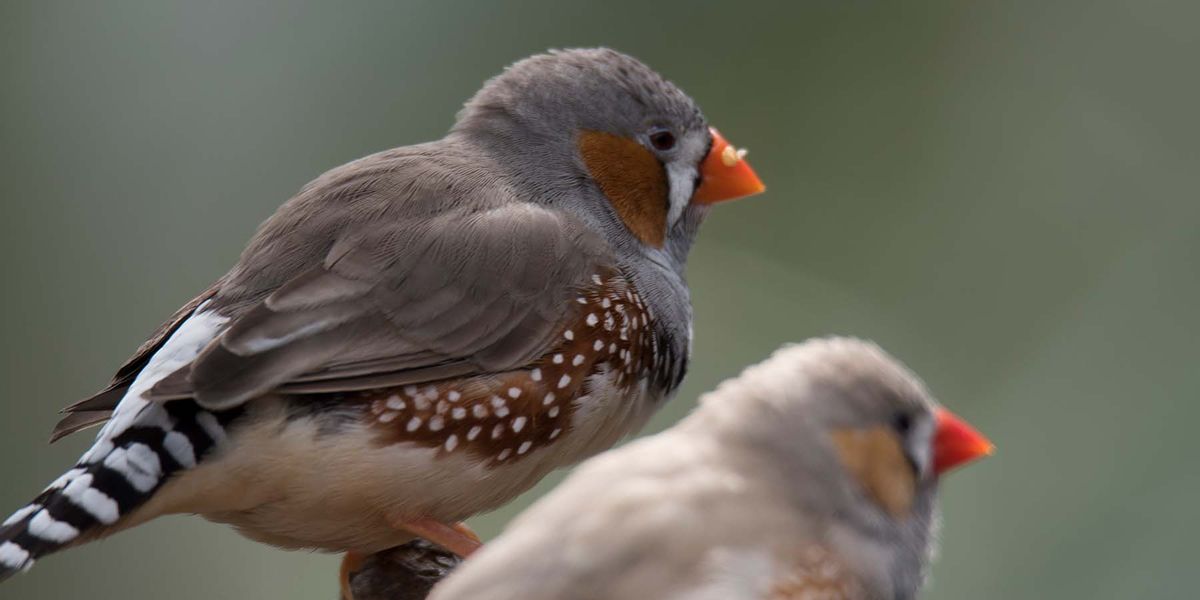
- Appearance. Males have orange cheek patches, a chestnut flank stripe with white spots, and bold zebra-striped throat markings. Females are a softer gray-brown with an orange beak.
- Sound. Soft, buzzy chirps and a short, repetitive song from the males. Quiet enough for apartments.
- Social needs. Must be kept in pairs or small groups. A lone zebra finch will decline.
- Handling. Not a hands-on bird. They bond with their flock, not with your hand.
- Skill level. Beginner-friendly. One of the easiest pet birds to keep.
That covers the basics. The sections below go deeper on each one.
Why Zebra Finches Are Good for Beginners
Zebra finches consistently top beginner recommendations, and there are real reasons for that beyond just being "easy."
- They're hardy. Zebra finches adapt to a range of housing setups without drama. Minor fluctuations in routine don't set them back the way they might with more sensitive species.
- They show you when something's wrong. Behavioral changes, fluffed feathers, or a drop in activity are readable cues. You learn what healthy looks like quickly, which makes monitoring straightforward.
- They don't need your hands. Unlike parrots, zebra finches don't require daily handling or emotional engagement from you. Watching them interact with each other is the reward.
- Their care is consistent. Seeds, greens, fresh water, clean cage. The daily routine doesn't change much, which helps beginners build good habits without getting overwhelmed.
- They thrive in pairs. Two birds entertain each other, which means you're not the primary source of stimulation. This makes them genuinely low-maintenance compared to solo pet birds.
If you've been thinking about getting into finch keeping, zebra finches are the species most likely to make that first year feel rewarding instead of stressful.
Temperament and Song
Zebra finches are busy birds. They hop, chase, preen each other, and investigate every corner of their finch habitat from early morning until the light shifts in the evening. The energy isn't chaotic. It's rhythmic and calming, like background music you start to notice when it's gone.
Males sing constantly, a short, buzzy phrase they repeat throughout the day. It's not melodic in the way a canary is, but it has its own charm. After a while, you'll recognize individual variations. Some males are loud and confident; others are softer and more private about it. The females don't sing, but they communicate clearly with chirps and body language.
Zebra finches are flock-oriented by nature. A bonded pair will spend most of the day side by side, mirroring each other's movements and vocalizing back and forth in what sounds like a real conversation. When you add a second pair, the social dynamics get richer. You'll see them work out a pecking order, form alliances, and settle into a group rhythm that's genuinely interesting to watch. If you're curious how zebra finches stack up against another popular species in terms of personality and social behavior, the comparison with Society Finches vs. Zebra Finches: Key Differences is worth reading before you decide on a mix.
Zebra Finch Care at a Glance
This is the daily and weekly care checklist I follow. Nothing complicated, but consistency is what keeps these birds healthy.
- Cage size. Minimum 24 inches wide for a pair. Wider is better than taller. Horizontal space lets them fly short distances, which matters.
- Perches. Two to three perches at different heights, made from natural wood of varied thickness. This keeps their feet in good condition.
- Seed mix. A finch-specific seed mix as the base. I use one with millet, canary grass seed, and a few other grains. Avoid heavy oil seeds in large amounts.
- Fresh greens. Spinach, kale, or finely chopped veggies a few times a week. Some birds take to it immediately; others need time to trust it.
- Cuttlebone. Always available in the habitat. Females especially need the calcium, but males benefit too.
- Fresh water. Changed daily, twice in hot weather. They drink frequently and dip their beaks in to cool off.
- Cage cleaning. Spot clean daily, full clean weekly. Small birds produce waste quickly and air quality in a dirty cage deteriorates faster than you'd expect.
- Toys. Swings, small wooden toys, and varied perch shapes keep them engaged. Rotate occasionally so the habitat feels new.
If you keep this routine consistent, zebra finch care is genuinely low-effort. The time adds up to maybe 15 minutes a day.
Breeding: What to Know Before It Starts
Zebra finches will breed readily once they're comfortable. That's one of the reasons they're so popular, but it's also something to think through before you give them nesting access.
A bonded pair will start collecting anything soft and weaving it into a nest almost immediately. The female lays four to six eggs, both parents take turns incubating, and the chicks hatch around day 14. They develop fast. Most are independent feeders within three to four weeks. If you want to understand what the early weeks look like, the Baby Finch Growth Timeline: What to Expect covers each stage clearly.
A few things worth knowing before your first clutch:
- Provide good nesting materials. Coconut fiber and dried grass are both excellent. Soft, natural materials lead to better nest construction. The Best Nesting Materials for Finch Breeders has a solid breakdown of what actually works.
- Males pull their weight. Both parents share incubation and feeding duties. The male is actively involved from egg to fledgling.
- Control the clutches. Zebra finches will breed again quickly after chicks fledge. Remove the nest box between clutches if you don't want continuous breeding. More than two or three rounds a year wears the birds down.
- Watch for common mistakes. Overcrowding, inadequate food during chick-rearing, and poorly chosen nesting materials account for most first-time breeding failures. 7 Common Breeding Mistakes to Avoid is worth a read before your first breeding season.
Breeding zebra finches is one of the most rewarding parts of keeping them. Start with one pair, get the setup right, and the rest follows naturally.
FAQs: Zebra Finch Care for New Keepers
Here are the questions I hear most often from people setting up their first zebra finch habitat.
Can I keep a single zebra finch?
Not recommended. A lone zebra finch will become withdrawn, stop singing, and sometimes stop eating. They're wired for flock life. A bonded pair is the minimum, and two pairs are even better if your cage size allows it.
Do zebra finches need a lot of space?
Not a lot, but they do need horizontal space. A cage at least 24 inches wide gives a pair enough room to take short flights. A bigger flight cage is always better if you plan to keep more than two birds.
How do I tell males from females?
Males have orange cheek patches, zebra-stripe throat markings, and a chestnut flank with white spots. Females are plainer, with a softer gray-brown body and a pale orange beak. The difference is easy to spot once you know what you're looking for.
Do zebra finches get along with other finch species?
Usually yes, especially with similar-sized, non-aggressive species. They do well with society finches in particular. Avoid housing them with species that are significantly larger or more territorial. Always introduce birds through a divider first.
How long do zebra finches live?
Five to seven years is typical in captivity. Some birds make it past ten with excellent care and genetics. A clean habitat, varied diet, and good company are the biggest factors in their lifespan.
Zebra finches are one of those species that reward you quickly. You set up a proper finch habitat, add a bonded pair, and within days they've settled into a routine that's genuinely entertaining to be around. They're not demanding. They're not loud. They just fill the room with quiet life, and once you've kept them, it's hard to imagine an aviary without them.