
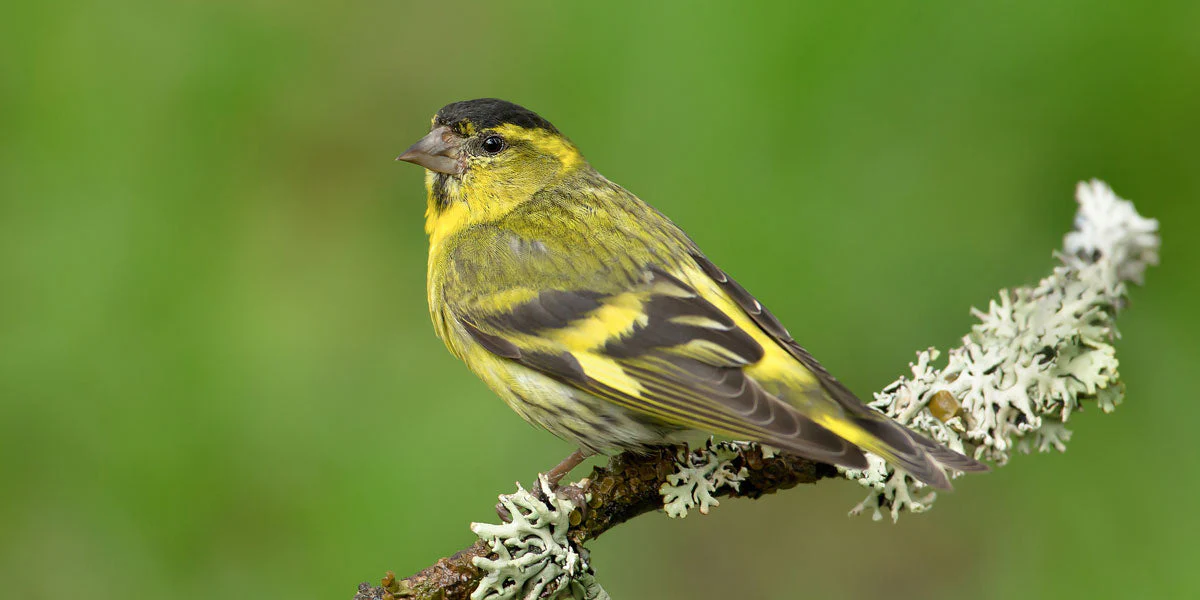
Three weeks. That's all it takes for a helpless, featherless hatchling to leap off the nest box ledge and become a flying, eating, socializing bird. I've watched this happen dozens of times in my aviary and the speed still catches me off guard. Knowing the baby finch growth timeline in detail isn't just satisfying, it's genuinely useful. When you know what a healthy chick looks like on day four versus day ten, you can spot trouble early instead of guessing.
This guide walks through every stage from hatch to independence, with specific things to watch for and support at each point. Timing is based on the typical zebra and society finch schedule. Other species run close to this, give or take a few days.
The Full Timeline at a Glance
Here's the complete baby finch growth timeline condensed into a single reference. Each stage gets its own section below with the details.
- Day 1. Hatch. Blind, featherless, fully dependent on parents for heat and food.
- Days 2–3. First muscle coordination. Heads lift. Pinfeathers begin forming under the skin.
- Days 4–5. First visible pinfeather spikes emerge along wings, spine, and head.
- Days 6–7. Rapid size increase. Chicks look clearly larger than hatch weight.
- Days 8–10. Eyes open. Wing and tail feathers unfurl. Active begging behavior.
- Days 11–13. Body mostly feathered. Color patterns start to appear. Chicks test nest edges.
- Days 14–16. Pre-fledge. Wing flaps strengthen. Balance practice on nest rim.
- Days 17–21. Fledge. First flights. Parents teach foraging and perching.
- Weeks 3–4. Flying improves. Last baby down disappears. Growing independence.
- Weeks 5–6. Fully weaned. Eating solid food without parent support.
- Months 2–3. Juvenile phase. Males begin early song practice. Ready for group housing.
Keep this as a reference while you read the sections below. When something looks off, the timeline tells you what's normal for that exact window.
Hatch Day: The Most Delicate 24 Hours
Eggs are typically laid one per day and incubation starts in earnest once most of the clutch is laid, so hatch day can spread across two to three days for a full clutch. On hatch day itself, each chick arrives blind and featherless with translucent skin stretched over tiny bones.
What matters most right now:
- Crop check. Within a few hours, each chick's crop should show a small rounded bulge. A flat crop after several hours means it hasn't been fed and needs monitoring.
- Warmth. The chicks generate almost no body heat on their own. If you see parents abandoning the nest frequently, check room temperature. Aim for a stable 72–80°F near the nest.
- Minimal disturbance. Peering into the nest box more than once or twice a day adds stress to first-time parents. Save close inspection for genuine concerns.
If you're curious whether the eggs were fertile before hatch day, that's a separate process covered in detail in our guide on how to identify fertile vs. infertile finch eggs.
Days 2–7: The First Week of Fast Growth
The first week is where the most dramatic transformation happens. A chick that weighed barely a gram on hatch day will look noticeably larger by day seven. You can observe a lot just by watching the nest entrance at feeding time, without ever touching the box.
Here's what changes day by day in this window:
- Days 2–3. Head lifting begins. Chicks react to vibration and shadow, which signals a parent returning. Skin darkens as feather follicles form underneath.
- Days 4–5. Pinfeather spikes appear along the wings, spine, and top of the head. They look like tiny dark needles. This is normal and healthy, not a cause for concern.
- Days 6–7. Pinfeathers lengthen visibly. Chicks call louder during feedings and stretch their necks high when begging. By end of day seven, the brood should look uniformly bigger.
One thing I keep an eye on through this whole week is whether the babies are growing at a similar rate. One chick sitting consistently smaller or colder than the others is worth monitoring, though it often turns out to be a natural size difference rather than a health issue. Real neglect shows up as a chick with a consistently empty crop and no weight gain day over day.
Days 8–13: Eyes Open, Feathers Fill In, Colors Emerge
This is my favorite stage. Around day eight or nine, the eyes open for the first time. The chicks go from passive little bundles to alert, responsive animals almost overnight. Their awareness of movement expands, and you'll see them tracking the shadows of parents entering the nest.
Over the next few days, the feather situation changes quickly:
- Days 8–10. Pin sheaths split open and real feathers begin to unfurl, most noticeably on the wings and tail. The chicks start exercising those wings in short, jerky flaps.
- Days 11–13. Body feathers fill in rapidly. Color patterns become visible for the first time. Zebra finches start showing their bar patterns; Gouldian chicks reveal their head color. The brood gets noisy, competitive, and active inside the box.
Feeding demands are at their peak through this stretch. I keep the parents stocked with egg mix, sprouted seeds, and leafy greens, because the protein and calorie needs per chick are highest here. A pair that's running low on quality food will start to underfeed the brood.
Days 14–21: Pre-Fledge and First Flights
The last week in the nest is all about preparation. The chicks look almost fully feathered by day fourteen, though they still have a rounded, slightly babyish face. They spend more time perching on the nest rim, watching the cage, flapping hard, and testing their balance.
Steps that typically play out in this window:
- Balance and strength practice (Days 14–16). Chicks grip the nest rim and flap repeatedly. The parents continue heavy feeding. Prepare the cage by removing any perches close to the floor and ensuring soft landing spots are available.
- First fledge (Days 17–21). One chick usually leads. The others follow over the next day or two. First flights are clumsy but short. The parents stay close and redirect them toward food.
- Teaching phase (Days 18–21). The father typically takes the lead in this period, demonstrating how to crack seeds, use the water dish, and navigate the cage. The fledglings beg loudly even while learning to eat on their own.
Keep the environment stable and quiet during fledging week. A panicked parent can cause chicks to leave the nest too early. If something goes wrong and a chick needs intervention, the step-by-step guide to hand-raising finch chicks covers what to do next.
Weeks 3–6: From Fledgling to Independent Bird
Once the chicks are out of the nest, development continues for another month before they're truly self-sufficient. Here's what to expect across those four weeks:
- Weeks 3–4. Flight improves noticeably. The last patches of baby down disappear. The young finches start interacting with cage fixtures, hopping perches, and investigating toys. They still rely on parents for a large portion of their food.
- Weeks 5–6. Full weaning typically happens here. The young birds are eating solid food on their own, though they may still beg occasionally. This is the window to evaluate whether to separate them from the parents, especially if the adults are showing signs of starting another clutch. Keeping the two generations together too long can stress the pair and cause aggression toward the young.
For guidance on when exactly to make that separation call, our article on troubleshooting failed finch breeding attempts covers the timing pitfalls that affect the whole cycle, including overcrowded brood scenarios.
Months 2–3: Juvenile Phase and Early Song
By two months, the young finches are in their juvenile phase. Their coloration is mostly set, though it won't fully mature until they've gone through their first molt. In zebra finches, young males typically start practicing early fragments of their song somewhere in the 35–45 day range, well before the song is recognizable as an adult call.
A few things to watch for in this period:
- Feather condition. Healthy juveniles have smooth, tight plumage. Frayed, sparse, or dull feathers at this stage are worth monitoring.
- Weight and flight. A bird that looks smaller than its clutch-mates and flies less confidently may have underlying nutrition issues. Check the full incubation and hatch timeline to confirm whether late-hatching could explain the size difference.
- Social behavior. Young finches at this age are establishing their place in the group. Occasional chasing is normal. Persistent targeting of one bird is not.
Finches shouldn't breed until they're fully mature, typically around six months for most common species. The two-to-three month mark is still solidly juvenile territory.
Supporting Parents Through the Timeline
Most of what you do during this whole process is support the parents, not intervene with the chicks directly. The adults do the heavy lifting. Your job is to make sure they have what they need.
Key things that make a real difference:
- Egg mix or soft food throughout. Offer it daily from the moment eggs are laid through at least the third week post-hatch. Protein demand spikes during days 8–13 especially.
- Sprouted seeds. Easier to digest and nutrient-dense. Most pairs accept them readily and they're especially useful when chicks are in fast-growth phases.
- Greens. Chickweed, dandelion, spinach. Rotate variety to prevent boredom and nutritional gaps.
- Stable temperature and low noise. Stress on parents translates directly to inconsistent feeding. Quiet mornings and steady room temperature matter more than any supplement.
- Minimal nest inspections. Especially in weeks one and two. A quick visual from outside the box tells you most of what you need to know.
The pair dynamic matters too. Some males become active feeders from day one; others leave the work to the female early and step up later. Both patterns can produce healthy chicks as long as the female is managing well and getting enough food herself.
FAQs: Baby Finch Growth and Development
Here are the questions I get most often about raising finch chicks.
How many days old are finch chicks when they open their eyes?
Most finch chicks open their eyes around days 8–9 after hatching. Some species can be a day earlier or later, but if eyes haven't opened by day 11, it's worth a closer look to rule out a health issue.
When do baby finches get their color?
The first color markings become visible around days 11–13, as body feathers start filling in. Full adult coloration takes much longer and typically isn't complete until after the first molt, around three to four months of age.
What do I do if a baby finch falls out of the nest?
If the chick is days 14 or older and already partially feathered, place it back in the nest or on a low perch near the parents. A chick younger than that needs warmth immediately and you'll need to assess whether the parents will accept it back. Our guide on hand-raising covers the next steps for rejected or fallen chicks.
When can I separate baby finches from their parents?
Most breeders separate young finches from the parents around five to six weeks, once the chicks are eating fully on their own. If the adults are preparing for another clutch, separation closer to the four-week mark is safer for both generations.
Is it normal for baby finches to be different sizes in the same nest?
Yes. Hatch timing varies by one to three days within a clutch, so the first-hatched chick always has a head start. Some size variation is expected and normal. The concern is a chick that isn't growing at all or has a consistently empty crop despite the parents feeding the others.
Watch the Timeline, Trust the Parents
Baby finch development moves in one direction and it moves fast. The timeline is your anchor: it tells you when something is ahead of schedule, right on track, or worth a closer look. Most of the time, your healthiest instinct is to stay hands-off and let the parents work. They know what they're doing. Your job is to keep their environment stable, their food supply rich, and your interventions rare. Do that and the chicks almost always make it through every stage on their own.