
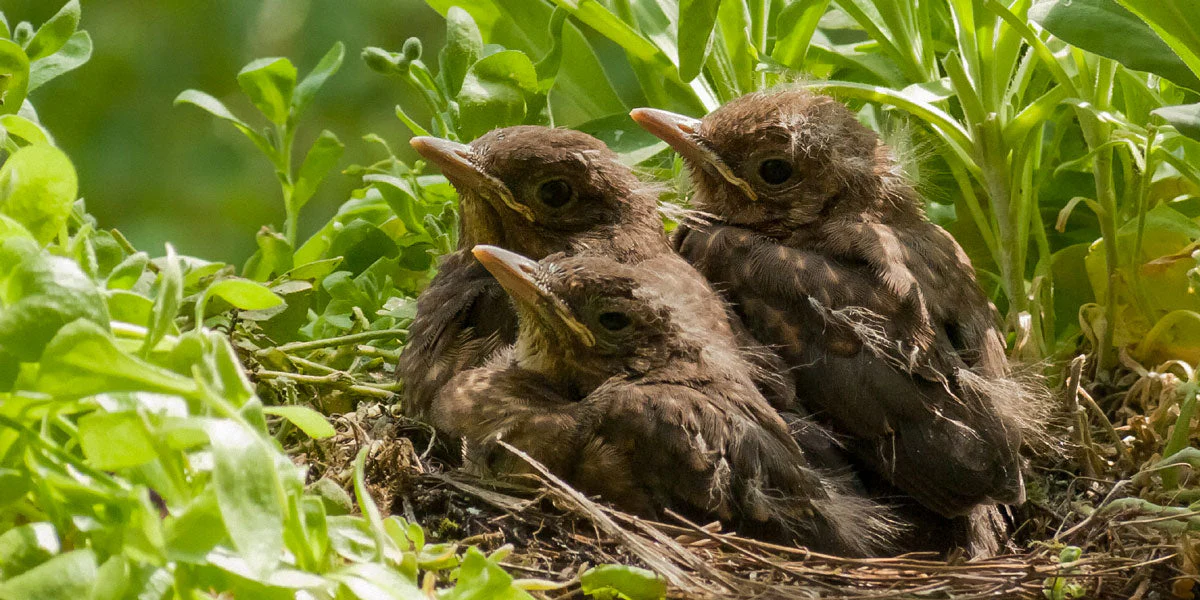
Most finch keepers never plan to hand-raise chicks. You set up the nest box, the pair lays eggs, and you step back. But then something goes wrong: a parent stops feeding, a chick gets rejected, or illness forces you to intervene. When that happens, you don't have days to research. You need a clear plan and the right supplies ready to go.
This guide covers every stage of hand-raising baby finches, from setting up the brooder on day one to transitioning fledglings into the aviary. I've preserved every temperature, feeding interval, and detail from real practice so you can follow it with confidence.
When Hand-Raising Is Actually Necessary
Not every situation calls for pulling chicks from the nest. Before you intervene, confirm one of these is actually happening:
- Parents have abandoned the nest. If both birds ignore the chicks for more than two to three hours during daylight, the crops will be empty and the babies cold.
- One or both parents are ill. A sick adult can't feed reliably and may infect the nest.
- A chick was rejected or pushed out. This sometimes signals a health problem with the chick, but not always.
- The parents are actively harming the chicks. Aggression in the nest is rare but it does happen.
- A chick needs medical care that can't happen in the shared nest environment.
If none of these apply, leave the parents to it. A finch raised by its own species will always be better socialized than a hand-raised bird.
Supplies Checklist Before You Start
Gather everything before you remove the chick from the nest. Once feeding begins, you won't have time to hunt for equipment.
- Brooder or small plastic tub with a ventilated lid.
- Heating pad (set to low) or a clip-on heat lamp rated for small enclosures.
- Thermometer placed at chick level, not near the heat source.
- Commercial hand-feeding formula designed for small passerines or finches specifically.
- Small syringes (1 ml or 3 ml) with soft rubber tips, or a specialty spoon feeder.
- Shallow bowl or shot glass for mixing formula.
- Soft liner material such as tissues, paper towels, or fleece scraps.
- Digital kitchen scale that reads in grams, for daily weight tracking.
- Sterilizing solution or dish soap for cleaning tools between feedings.
A spare incubator works in place of a heating-pad brooder if you have one, though it isn't required.
Step-by-Step: Hand-Raising Finch Chicks from Day One
Work through these steps in order. Skipping ahead, especially on brooder setup and crop checks, causes most hand-raising failures.
- Assess the chick immediately. Check crop fullness (a sunken, empty crop means the bird hasn't been fed recently), skin tone, responsiveness, and body temperature. A cold chick is an emergency. Warm it in your cupped hands before attempting any feeding.
- Set up the brooder at the right temperature. Newly hatched finch babies with no feathers need 36 to 37°C (96 to 99°F). Place the thermometer at chick level. Once pin feathers appear (around day 7 to 10), begin dropping the temperature by about 1°C every two days. Chicks that pant and spread their wings are too warm. Chicks that huddle and shiver are too cold.
- Regulate humidity. Tuck a slightly damp paper towel under one corner of the liner material. Too dry and the skin cracks; too moist and the brooder grows mold. The liner itself should feel barely damp beneath the chick, never wet.
- Mix the formula fresh for each feeding. Follow the package ratio. For newly hatched chicks, use a slightly thinner consistency so the formula flows easily. As days pass, thicken it gradually. Check the temperature on your wrist before every feeding: it should feel warm, like body temperature. Formula that has cooled below that mark needs rewarming before use.
- Feed using a syringe or spoon. Support the chick gently, hold it upright rather than flat, and wait for the gape reflex. Healthy hungry chicks bob their heads and open wide. Deliver formula into the side of the mouth in small amounts, pausing between drops to let the chick swallow. Stop when the crop is rounded but not drum-tight.
- Clean every tool after each session. Wash syringes with warm soapy water, rinse thoroughly, and let dry. Once a day, do a deeper disinfecting rinse. Formula residue left in a syringe grows bacteria fast.
- Weigh the chick at the same time each day. Any consistent weight gain is a good sign. A stall or weight loss means something needs to change: feeding frequency, formula thickness, or brooder temperature.
- Introduce weaning foods around day 14 to 21 once the chick begins perching and flapping. Place a small dish of moistened egg food or finely crushed pellets in the brooder. Keep hand-feeding until the chick is eating independently.
- Transfer to a small cage with low perches once the bird is perching confidently and eating solid food. Scatter seed on the cage floor in addition to using dishes so the bird can find food easily.
- Move to the aviary only after confirming the fledgling is flying, self-feeding, maintaining weight, and showing no signs of respiratory illness. Supervise the first introduction with adult birds.
The whole process from hatch to aviary typically spans four to six weeks depending on the species and how quickly each individual chick matures.
Feeding Schedule by Age
Feeding frequency is the hardest part of hand-raising. Too long between feedings and the chick loses weight fast. Here is the schedule I follow:
- Days 1 to 4 (hatchlings). Feed every 30 to 45 minutes from sunrise until around 10 or 11 pm. Do not skip nighttime feedings at this stage. Their energy reserves are almost nothing and the crop empties very quickly.
- Days 5 to 10 (eyes opening, first pin feathers). Extend to every 45 to 60 minutes. You can begin allowing a short overnight break of three to four hours once the eyes are fully open and weight is trending up.
- Days 11 to 18 (feathers coming in). Feed every one to two hours. Overnight gaps of five to six hours are fine if the chick is growing well.
- Days 19 to 28 (fully feathered, perching). Feed three to four times per day while introducing solid weaning foods. Let the chick's behavior guide the pace: a chick that runs toward solid food is ready to reduce hand-feeding sessions.
- Days 28 and beyond (fledgling stage). Hand-feed once or twice daily as a top-up while monitoring independent food intake. Phase out completely once the bird eats and drinks on its own consistently for three days in a row.
These intervals are guidelines based on finch species broadly. Zebra finches and canary chicks develop quickly and may move through stages faster than Gouldians or larger species.
Warning Signs to Watch For
Hand-raising requires constant observation. Some problems are routine; others demand a vet call the same day.
- Crop not emptying. If the crop is still full or solid two hours after feeding, something is off. Common causes include formula that was too thick, too cold, or a developing sour crop. Pause feeding, gently massage the area, and reassess before the next session.
- Clicking sounds or labored breathing. Aspiration is the most dangerous acute risk in hand-feeding. If formula enters the airway, you'll often hear clicking. This is a vet emergency, not a wait-and-see situation.
- Weight loss two days in a row. A single day of stalled weight can be normal. Two days in a row means change something now: temperature, formula consistency, or feeding frequency.
- Bloated, hard crop. An overstretched crop that doesn't reduce is a sign of sour crop or candidiasis. Reduce feeding volume and see an avian vet if it doesn't improve within a few hours.
- Floppy posture or no gape reflex. A chick that won't gape and feels limp needs warming first. If warming doesn't improve responsiveness within 10 minutes, call a vet.
Trust your gut here. If something feels wrong, it usually is. An avian vet who works with passerines is worth knowing before you ever need to hand-raise chicks.
When to Stop and Return Chicks to the Parents
If you pulled chicks due to a temporary problem and the parent birds have recovered, consider returning them. Chicks can be returned successfully up to about day five or six if the parents will accept them, but after that the window narrows. Check whether the parents enter the nest box and show feeding behavior when you hold the chick near the box opening. If they respond, a careful reintroduction is worth attempting. For a deeper look at how parent involvement works at different stages, the guide on separating finch parents from babies covers the decision well.
FAQs: Hand-Raising Finch Chicks
Here are the questions I hear most from keepers tackling this for the first time:
Can I use baby bird formula from a pet store?
Yes, as long as it's designed for small passerines rather than parrots or raptors. Finch chicks need a formula that matches the nutritional profile of what parent finches produce. Kaytee Exact and similar fine-grain passerine formulas work well. Mix fresh for every single feeding session; never use leftovers from the previous round.
How do I know the crop is full enough?
A well-fed chick has a crop that looks rounded when you hold it up to light, similar to a small water balloon. It should have some give when you press it very gently. If it feels drum-tight, you overfed. If it's flat and the skin looks wrinkled, the chick is hungry. The goal is consistently full but never stretched.
Will a hand-raised finch bond too strongly to humans?
It depends on how much contact the chick has with other birds during development. Birds raised in complete isolation from other finches can become overly imprinted on humans and have trouble integrating into the aviary later. Keep handling minimal and intentional, and introduce the fledgling to adult finches as soon as it's healthy enough to do so. Reading about baby finch development stages helps set realistic expectations for when that transition should happen.
What's the hardest part of hand-raising finch chicks?
The overnight schedule in the first five days. When you're waking up every 30 to 45 minutes to feed a bird smaller than your thumb, fatigue is real. Having everything pre-staged on the nightstand and the formula warmed quickly makes it manageable. After day five the overnight break begins, and the rest of the process gets significantly easier.
Building Toward Independence
The goal from day one is a bird that doesn't need you. That sounds obvious, but it's easy to keep hand-feeding longer than necessary out of habit or attachment. Watch for the moment the chick pecks at solid food on its own, because that's the real signal that weaning has started. Encourage it by scattering seed and egg food directly on the cage floor, offering fresh water in a shallow dish with small pebbles so the bird can't fall in, and reducing hand-feeding sessions one at a time rather than stopping abruptly.
Once a fledgling is self-feeding consistently and flying with confidence, it's ready to meet the rest of the flock. For guidance on how to structure that introduction, caring for finch hatchlings and the complete finch breeding guide both cover what comes next in the breeding cycle. Watching a bird you raised from a hatchling join the aviary and start singing with the others is one of those moments that makes all those 3 a.m. feedings feel worthwhile.