
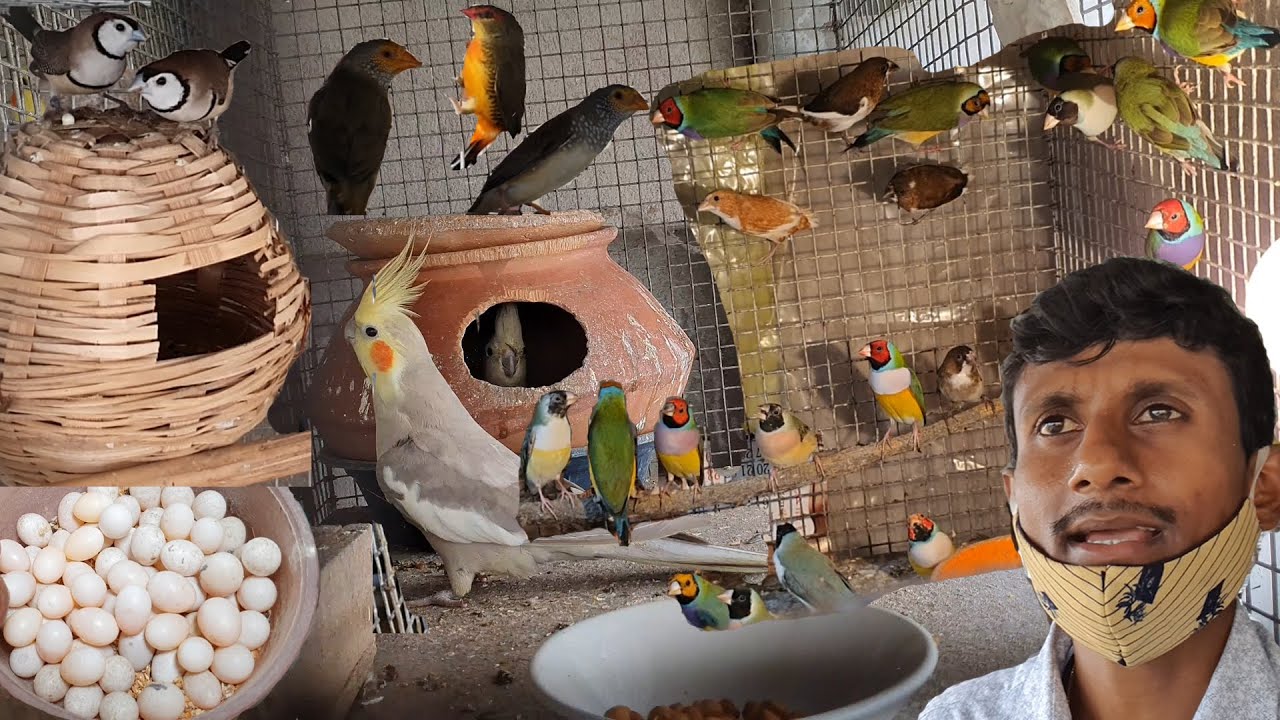
The morning my first clutch of eggs finally hatched, I nearly knocked the cage over leaning in to look. Tiny, naked, and almost completely still, those baby finches looked impossibly fragile. I'd read the basics, but nothing really prepares you for how fast everything moves, and how much hinges on those first 48 hours. What I've learned since is that good finch hatchling care is less about doing more and more about doing the right things at the right time.
This guide walks through each stage of early development, covers feeding and temperature essentials, and flags the warning signs worth acting on quickly.
Stage-by-Stage Care: Day 1 Through Weaning
Finch hatchlings move through developmental stages fast. Knowing what's normal at each point keeps you from intervening too early or missing something that actually matters.
- Days 1-2: Total dependence. Freshly hatched baby finches are naked, eyes sealed shut, and barely mobile. The parents brood them almost continuously. Your job is to stay out of the way. Keep the room quiet, avoid peering into the nest, and make sure the parents have everything they need to focus on feeding.
- Days 3-5: First signs of life. Hatchlings begin lifting their heads and begging more actively when the parents return. You may hear faint, high-pitched calls. Watch for crop fullness after feedings. A visibly full, rounded crop is your best indicator that feeding is happening on schedule. If crops look consistently flat and sunken, investigate the parents' diet first.
- Days 5-7: Pin feathers appear. Tiny feather pins push through the skin along the wings and back. The chicks look prickly rather than smooth. This is normal. The parents still brood heavily, but you'll notice slightly longer gaps between brooding sessions as the chicks generate a little more of their own warmth.
- Week 2: Eyes open, feathers fill in. The young birds open their eyes around day 10-12 and start reacting to movement and light. Feather coverage grows quickly. They still need parents for all feeding, but they begin sitting upright and stretching their wings. Begging calls get noticeably louder.
- Days 14-18: Thermoregulation improves. By the middle of week two, chicks regulate their own temperature reasonably well. Brooding decreases further. The nest starts getting crowded, and you may see chicks peeking over the rim. Begin checking that the cage setup is safe for early fledging attempts.
- Weeks 3-4: Fledging and early independence. The chicks make their first flights, clumsy and short. Parents continue feeding them outside the nest. Keep food dishes easy to reach and remove anything with gaps wide enough to trap a young bird. The fledglings learn to eat by watching the adults, though they still beg for several days after leaving the nest.
- Weeks 5-6: Weaning. The chicks begin eating independently. Continue offering egg food and sprouted seeds alongside the adults' normal diet so the new birds get a nutritionally complete start. You can separate juveniles once they're reliably eating on their own, though a couple extra days with the parents never hurts.
Following this sequence, you'll have a clear sense of whether development is on track at each checkpoint. If something looks off, the stage description above tells you exactly what to compare against.
Feeding Checklist for Parent Birds During the Hatchling Stage
The parents handle all feeding for the first few weeks. Your leverage is keeping their diet rich enough to sustain a round-the-clock feeding schedule. Run through this list daily during the hatchling period.
- Egg food, offered fresh daily. This is the single most important item. It gives the adults the protein they need to produce the regurgitated "crop milk" the baby finches depend on. If the parents are ignoring it, try a different brand or texture.
- Sprouted seeds available at all times. Easy to digest and nutrient-dense. Sprouts are especially valuable because they bridge the gap between dry seed and soft food.
- Fresh leafy greens, small amounts twice daily. Spinach, chickweed, or kale work well. Greens add vitamins and moisture. Remove uneaten portions after a few hours to prevent spoilage.
- Live or dried insects (mealworms, waxworms), in small portions. Many finch species actively seek insects during breeding and chick-rearing. Adding mealworms gives the parents extra protein without requiring them to forage.
- Clean water checked at least twice daily. Parents drink much more while rearing young. A fouled water dish during this stage creates real risk. Refresh and wipe the dish in the morning and evening.
- Cuttlebone and mineral grit, always available. Calcium supports the adults and cycles through to the hatchlings via their diet.
- Avoid introducing new foods right now. Parents sometimes stop feeding when diet suddenly changes. Wait until the chicks are fledged before experimenting.
Keep this checklist on your cage area for the first three weeks. A well-fed pair feeds consistently. A poorly nourished pair is the most common cause of chicks not thriving despite everything else looking fine.
Temperature and Environment Checklist
Hatchlings can't regulate their own body temperature for the first week and a half. The environment needs to compensate for what they can't do themselves.
- Room temperature between 70-75°F (21-24°C). This is the target range to keep the adult birds comfortable and minimize how long the chicks are left uncovered between brooding sessions.
- No drafts near the cage. A draft from a vent, window, or fan creates temperature swings the hatchlings can't tolerate. Check for airflow at cage level, not just room level.
- Consistent light cycle, 12-14 hours of daylight. A predictable light schedule regulates the parents' behavior and keeps feeding on a steady rhythm. Use the same lights-on and lights-off time every day.
- Humidity moderate, not bone-dry. Aim for 40-60% relative humidity. Very dry air makes the nest uncomfortable and can stress nesting materials. Very humid conditions encourage mold. Most homes are fine without a humidifier, but check during winter heating season.
- Cage in a low-traffic location. The parents need to feel safe. A busy hallway or room with frequent visitors disrupts brooding. Set the cage in a quiet corner and keep foot traffic nearby to a minimum for the first two weeks.
- Minimal cage cleaning during week one. Skip deep cleans and perch rearrangement entirely for the first seven days. Remove soiled food only. A brief disturbance at the wrong moment can cause the parents to abandon or neglect the nest.
- Nesting box or nest cup secure and stable. Check that the nest isn't rocking or shifting when the parents land on the cage. A stable, well-anchored nest keeps the adults confident.
How Parents Divide the Work
In most finch species, both the male and the female contribute to feeding and brooding hatchlings. The split varies by species and individual pair, but in healthy breeding pairs it's common to see both birds entering the nest throughout the day.
Knowing the typical male role helps you notice when something is off. If the male has stopped interacting with the nest entirely, or if one parent is doing all the work, that's worth monitoring. Do male finches help with raising chicks? covers what to expect from each partner and what changes if one bird checks out.
Warning Signs That Need Attention
Most healthy hatchlings develop without incident when the environment and parents' diet are in order. These signs are worth acting on quickly rather than waiting to see if they resolve on their own.
- Crops that are empty or sunken 4-6 hours after a normal feeding window. This means the chick isn't being fed adequately. Start by boosting the parents' egg food and sprouted seeds. If it persists for a full day, consider whether the parents are too stressed to feed or whether hand-rearing intervention is needed.
- A chick that is cold to the touch. Pick it up gently. If it feels significantly cooler than the others, it's been out of the nest too long or isn't being brooded. Warm it slowly in cupped hands and return it. A repeatedly cold chick is a flag for inadequate brooding.
- Skin that looks wrinkled or shriveled rather than plump. Dehydration in hatchlings moves fast. This is almost always tied to feeding frequency. Check the parents' water and food supply immediately.
- A chick that doesn't beg when siblings do. By days 3-5, healthy hatchlings beg actively when the parents return. A chick that stays limp and silent while others react may be struggling. Watch it for a full feeding cycle before deciding on intervention.
- Persistent clicking or labored breathing in any bird. This applies to both hatchlings and parents. Respiratory symptoms in the breeding cage spread risk to the whole clutch. Contact an avian vet without waiting.
- Excessive nest soiling or a damp, moldy smell from the nest box. A dirty nest is a disease risk. If it's bad enough to smell, prepare a replacement nest and transfer the contents carefully while the parents are distracted elsewhere in the cage.
- Parents repeatedly abandoning the nest for long stretches. Short trips off the nest are normal, especially as chicks mature. But if the adults are spending more time away than on it during week one, something in the environment is stressing them. Retrace any recent changes to noise, temperature, cage position, or foot traffic.
If you've spotted something that makes you think intervention or hand-rearing may be needed, hand-raising finch chicks step by step gives a thorough walkthrough of what that process actually involves.
The Growth Timeline Beyond Day One
Hatchling care doesn't exist in isolation. Understanding how baby finches develop from hatch through juvenile stage helps you calibrate your expectations and plan the full breeding season correctly. Baby finch growth timeline: what to expect maps the full arc from eggs to independence.
It's also worth knowing the mistakes that trip up even experienced breeders during this period. Nest disturbance, inadequate diet, and rushing the weaning timeline are among the most common. 7 common breeding mistakes to avoid is worth a read before your next clutch if any of those sound familiar.
FAQs: Finch Hatchling Care
The questions I hear most often from people in the middle of their first hatchling experience:
How often do parent finches feed their hatchlings?
Very frequently in the first week, often every 20-30 minutes during daylight hours. You won't see every feeding because the parents feed inside the nest, but if you watch for a full hour and see no parental entry at all, that's a reason to check.
Can I touch the hatchlings or will the parents reject them?
Finches don't typically reject hatchlings because of human scent, but handling in the first week stresses the parents and can interrupt brooding. Keep handling to an absolute minimum until at least week two. If you must check a chick, do it quickly and return it immediately to the nest.
What temperature is too cold for finch hatchlings?
Hatchlings in the first week need to be kept near the parents' body temperature, roughly 100-104°F at the nest level, which the adults provide by brooding. The room itself should stay above 65°F as an absolute minimum so the adults don't have to work so hard to maintain nest warmth that they cut feeding time short. Below that, supplemental heat in the room may be needed.
A Few Weeks of Close Attention Pays Off for Months
Finch hatchling care is intensive but time-limited. The window from hatch to fledging is roughly three weeks, and most of what you're doing is creating the conditions for the parents to succeed. A stable environment, a well-stocked food supply, and the patience to observe without interfering covers the vast majority of what these young birds need. Get those basics right and the chicks almost always thrive.