
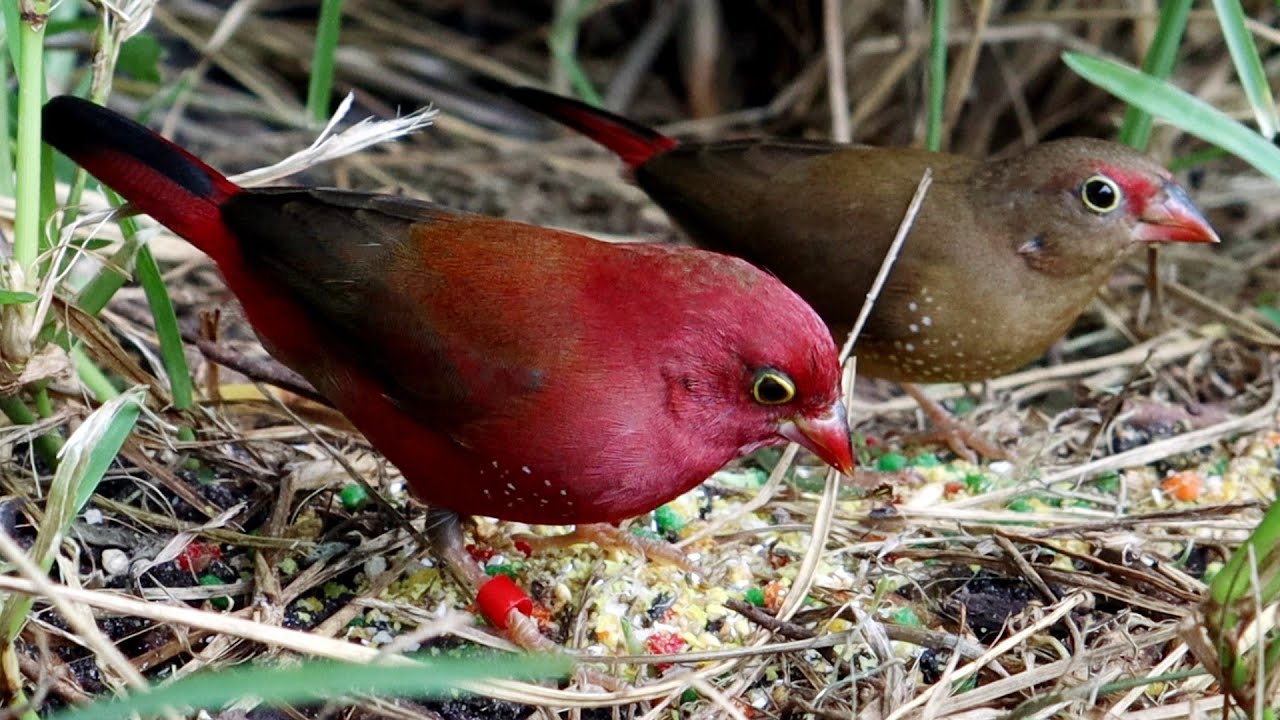
Walk into any well-stocked aviary room during breeding season and you'll notice the birds aren't waiting around. The moment nesting material hits the cage, most finches zero in on it, test it with their beaks, and start weaving. Getting that moment right, offering the correct nesting materials before the pair is ready to commit, is one of the quiet skills that separates a smooth breeding cycle from a frustrating one. I've spent enough seasons refining what goes in those cages to have a clear sense of what works and what creates problems.
This guide covers every material worth considering, the ones to avoid entirely, and the practical details of how to offer everything so the birds can actually use it.
What Makes a Good Nesting Material
Before getting into the specific options, it helps to understand what finches are actually looking for. A material earns a place in the nest box when it checks a few basic criteria:
- Lightweight enough for a small beak to carry without effort.
- Flexible so it bends without snapping during weaving.
- Natural in texture, because most finches ignore synthetic fibers on instinct.
- Short to medium in length, since very long strands create tangling risks.
- Dry and mold-free before it ever enters the cage.
Materials that miss even one of those marks tend to sit untouched, or worse, cause problems once chicks arrive.
Safe Nesting Materials Worth Offering
These are the materials I reliably reach for. Most finches respond well to at least two or three of them, and the best nests are usually built from a mix rather than a single source.
- Coconut fiber. The most versatile option on this list. Coconut fiber is soft enough for lining but strong enough to form the structural walls of the nest. Pairs grab individual strands and weave them steadily into a curved cup. It also insulates well, which matters in slightly cooler indoor environments or early breeding attempts.
- Dried soft grass. The closest thing to what finches would gather in the wild. Thin, flexible, fully dried grass blades work best. I prefer long strands that the birds can bend to outline the nest's basic shape before filling with finer materials. Make sure it's pesticide-free and completely dry before offering it.
- Sisal fiber. Cut sisal into short lengths, roughly two to three inches, before offering it. Longer pieces can tangle. At the right length, sisal adds genuine structure to the outer walls, and the birds weave it with real intentionality. It holds its shape well once the chicks start moving around.
- Hemp fiber. Softer and finer than sisal, hemp works best as a lining material for the inner nest cup. It absorbs small amounts of moisture, stays gentle against eggs, and is easy to reshape as the chicks grow. Choose a dust-free grade and avoid anything that shreds into very fine particles.
- Shredded plain paper. Not natural, but useful as a supplement. Thin, unprinted strips with no ink, dye, or fragrance provide lightweight volume that helps fill gaps. Some pairs ignore it completely; others use it heavily to pad the nest sides. It works best as an add-on rather than the main material.
- Hay. Soft, dry, trimmed hay is a reasonable option for finches that build on the rustic side. It adds structure but not much flexibility, so it's most useful when mixed with something softer. Some hay is too coarse, so test a small amount first and watch how the birds respond.
- Small clean feathers. A handful of lightweight, natural feathers encourages birds to line the nest interior for warmth. Offer these only after the base and walls are established, since feathers work best as a finishing layer. Keep the quantity small.
- Bamboo strips. Thin, dried bamboo strips are an option some breeders use for species that build more rigid outer structures. They add strength to the frame, though they need to be very thin and cut short to avoid becoming a hazard.
Offering two or three materials simultaneously lets the pair pick what works for each layer. Watching which ones they reach for first tells you a lot about their instincts and their readiness to breed. If you want to understand how that nest box itself factors into the setup, it's worth reading how to pick the best nest boxes for finches before you offer any material at all.
Materials That Can Injure Your Finches
Some of the most commonly offered materials are genuinely dangerous. These should stay out of any finch breeding setup entirely:
- Cotton and cotton batting. The most important one to avoid. Those long fluffy fibers wrap around toes, legs, and even necks. I've seen birds lose circulation in a toe from a single cotton strand in under a day. It looks soft and inviting, but it's a real injury risk.
- Yarn and string. Same problem as cotton, amplified. Any fiber long enough to loop and tighten is a constriction hazard, especially once a chick is moving around.
- Synthetic fibers. Nylon, polyester, and similar materials trap heat and humidity inside the nest cup, creating conditions that can stress eggs and chicks. They also fray in ways that produce fine threads, which add back the constriction risk.
- Fabric scraps and loose thread materials. Anything that unravels or has threads longer than an inch or so should be excluded for the same reasons as yarn.
- Dyed or treated materials. Ink, dye, fragrance, and chemical treatments have no place near eggs or newly hatched chicks. Plain and untreated only.
- Very coarse or sharp-edged plant material. Some dried grasses and plant stems have rough or sharp edges that irritate small beaks. Test anything unfamiliar on a small scale before offering a full supply.
The pattern here is straightforward: anything that can tangle, constrict, trap heat, or introduce chemicals should stay out. Natural, short, clean, and flexible is the standard.
How to Offer Nesting Materials
Quantity and placement affect how readily finches start building. A few practical rules make the process smoother:
- Offer small amounts at a time, not large bundles. Finches enjoy selecting individual pieces, and a messy pile can create stress rather than motivation.
- Place materials near the nest box entrance or on a perch close to it. Positioning that mimics how wild birds gather from plants and branches triggers building behavior faster.
- Vary the placement slightly across the cage so birds encounter material naturally during their routine movement.
- Refill gradually as the pair uses what's available. This also lets you observe preferences and adjust your material mix accordingly.
- Remove any material that goes unused after a few days, especially anything that has gotten damp. Damp nesting material is a mold risk.
The goal is to make it feel natural. A finch that stumbles across materials during its normal movement through the cage builds with more instinct-driven confidence than one that has to sift through a pile dumped in the corner.
Species Notes: Zebra Finches, Society Finches, and Gouldians
Not all finches build the same way, and species-level preferences are worth knowing. Understanding how male finches contribute to raising chicks also matters here, since species where males participate heavily in building tend to consume more material faster.
- Zebra finches. Enthusiastic, fast builders. They grab materials aggressively and weave in high volume. Coconut fiber and dried grass disappear quickly. Offer materials in smaller, more frequent refills rather than one large supply.
- Society finches. Prefer finer, softer materials for the interior lining. Hemp fiber and small feathers are particularly well received. They tend to build communally and can overstuff a nest box if materials are too abundant.
- Gouldian finches. More selective and slower to commit. They may evaluate materials for several days before beginning construction. Offer a range of quality options and be patient. Gouldians also benefit from a slightly drier nesting environment, so materials that retain moisture are less ideal for them.
Watching how a specific pair interacts with available materials over the first few days reveals far more than any general rule can. Their behavior is the real guide.
How Nest Building Typically Unfolds
Knowing the sequence helps you time your material offerings. Most finch pairs move through a recognizable pattern once they decide to build. Once the nest is complete, the care picture shifts significantly. How the parents divide their duties through incubation and after hatching is covered in detail in how to care for finch hatchlings and in the broader question of whether to separate finch parents from babies once the chicks grow.
- Exploration. The pair inspects the nest box, moves in and out repeatedly, and begins picking up individual pieces of material without committing to placement yet.
- Framing. Longer fibers like dried grass and sisal go in first, forming the rough outer shape and establishing the dimensions of the nest cup.
- Wall building. Coconut fiber and similar materials fill in the structure, with the birds weaving back and forth to create the curved walls that will hold eggs in place.
- Lining. Finer materials, hemp, small feathers, and any remaining soft fibers, are added to the interior to create a smooth, insulated surface for incubation.
- Fine-tuning. The pair returns repeatedly to adjust, add, compress, and reshape. This stage can continue even after the first eggs appear.
If the pair skips straight to framing without exploring the materials first, they're building with urgency, usually a sign they're ready to breed. Slow starters aren't a problem, they're just evaluating their options the way finches naturally do.
FAQs: Nesting Materials for Finch Breeders
Here are the questions I get asked most often about this topic:
Is cotton really that dangerous for finches?
Yes, and it's the most common mistake new breeders make. Cotton fibers wrap around toes and legs and can cut off circulation within hours. Even a single loose strand is enough to cause injury. Avoid it completely and use coconut fiber or hemp instead.
How much nesting material should I offer at once?
Small amounts at a time, enough for the pair to have something to work with but not so much that it creates a cluttered pile. A palm-sized clump of coconut fiber and a small handful of dried grass is a reasonable starting point. Refill gradually as they use it up.
My finches aren't using the nesting material I put in. What's wrong?
Either the material type is off or the placement isn't triggering their gathering instinct. Try moving a small bundle near the nest box entrance, switch to a natural fiber like coconut fiber or dried grass if you've been using something synthetic, and give it a few more days. Some pairs are slow starters.
Should I remove old nesting material between breeding cycles?
Yes. Old nests can harbor bacteria, parasites, and mold. Remove and replace all material between cycles, clean the nest box thoroughly, and start fresh. Some species will reuse old nests if given the chance, but that's a health risk you don't want to take.
Good nesting materials don't guarantee a successful breeding cycle, but poor ones can absolutely derail one. Stick to natural fibers, keep quantities modest, place everything thoughtfully, and watch how each pair responds. Their behavior tells you more than any product description, and a pair that builds a firm, well-lined nest is already on its way to a healthy clutch.