
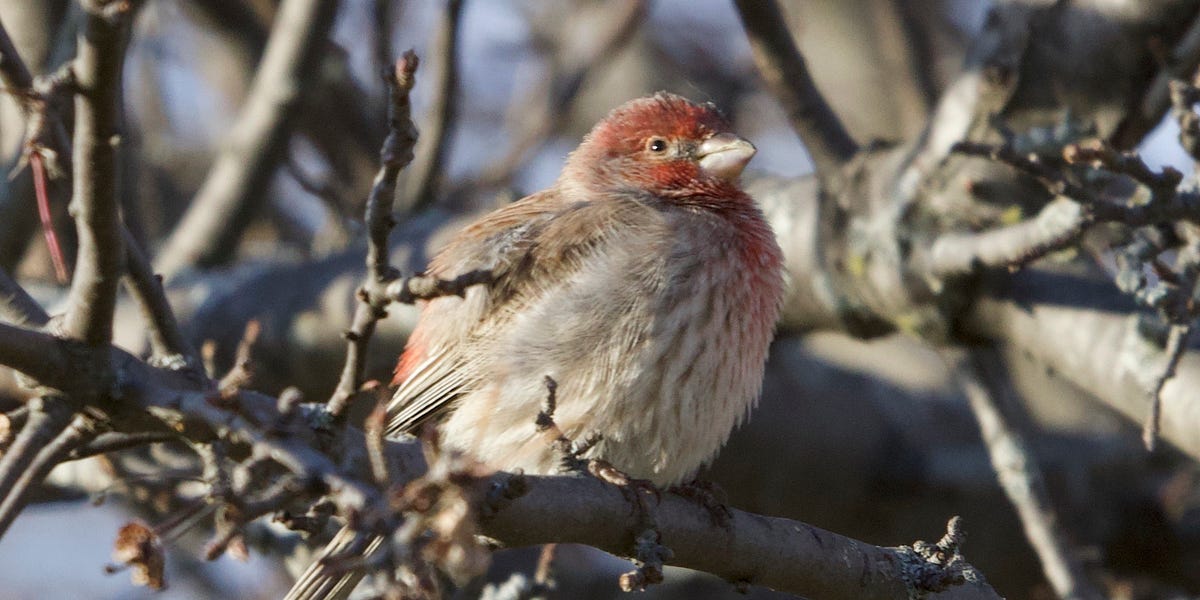
People ask me this question constantly: society finch or zebra finch? They look similar at the pet store, share a price tag, and both fit in the same cage. But they are genuinely different birds, and picking the wrong one for your situation means months of adjusting your expectations. The short answer is this: zebra finches are for keepers who want an active, independent little bird with bold markings and a real song. Society finches are for keepers who want a calm, social flock bird that gets along with almost everything. If you plan to breed, the difference matters even more.
I've kept both species over the years, sometimes together, sometimes in separate aviaries. What I've learned is that neither is better. They're just built for different things, and knowing which traits actually matter to you makes the decision easy.
At a Glance: Society Finch vs. Zebra Finch
Here's a quick side-by-side covering the traits people care about most. Each one gets a full breakdown in the sections below.
- Temperament. Zebra finches are bold, fast-moving, and curious. Society finches are calm, cooperative, and content to huddle with their flock.
- Song. Zebra finch males sing a real, repeating song. Society finches produce soft, blended chattering without a structured melody.
- Appearance. Zebra finches have sharp, defined markings, especially the males with orange cheek patches and barred throats. Society finches come in softer pied patterns and mixed color combinations.
- Care difficulty. Both are beginner-friendly. Zebra finches need a bit more space for their activity level. Society finches adapt easily to most setups.
- Breeding behavior. Zebra finches breed readily in pairs and raise their own chicks fiercely. Society finches breed cooperatively and will foster chicks from other finch species.
- Social style. Zebra finches form tight pair bonds. Society finches integrate into a flock and rarely show aggression.
- Mixed housing. Possible with planning, but zebra finches can become territorial during breeding seasons.
If one row already made the decision for you, that's usually a good sign. Otherwise, read on for the detail that will settle it.
Appearance and Physical Markings
The visual difference is the first thing most people notice, and it runs deeper than just color.
Zebra finch males are the more striking of the two. They carry orange cheek patches, a barred black-and-white throat, chestnut flanks with white spots, and a vivid red or orange beak depending on the color mutation. Females are plainer, with the same beak but without the bold facial markings. Even with dozens of color mutations now available, zebra finches tend to look sharp and structured, the kind of bird that reads clearly from across the room.
Society finches, sometimes called Bengalese finches in the UK and Japan, come in a softer palette. Chocolate, fawn, white, and pied combinations are common, and the patterns vary so much between individuals that you rarely see two birds that look identical. Their beaks are more muted, their shape slightly rounder, and the overall impression is gentle rather than graphic. Some keepers find that more appealing. Others want the precision of a zebra finch's coloring.
Size-wise, both species land in the same range: roughly four inches from beak to tail. Neither dominates the other on size alone.
Temperament and Social Behavior
This is where the two species pull apart most clearly.
Zebra finches are active, alert, and opinionated. They zip between perches, investigate changes in their cage immediately, and spend a good portion of the day in motion. They form strong pair bonds, and a bonded male will defend his mate and nesting space with real energy. In the wild, zebra finches live in large, fast-moving flocks across Australia, and that restless quality carries over into captivity. They're exciting to watch, but they bring a certain amount of noise and movement that not every household wants.
Society finches run at a lower frequency. Their name is literal: they live for the group. They share perches, preen each other, sleep in piles, and rarely argue over territory unless the cage is severely overcrowded. They accept new birds more easily than most species, which makes them a practical choice for mixed aviaries. A society finch placed in a new flock usually blends in within a few days. A zebra finch under the same circumstances may need more time and space.
For a keeper who wants to observe bird behavior without managing constant social drama, society finches are the easier choice. For a keeper who finds that calm a little boring, zebra finches deliver more to watch.
Song and Vocalization
Both species are vocal, but the quality of the sound is very different.
Male zebra finches sing. They have a real, structured song that they develop and refine over time, often by learning from a male role model early in life. The song has a distinct cadence, usually a sequence of beeps and buzzes that repeats in a recognizable pattern. Females don't sing the same way, but both sexes produce a range of contact calls throughout the day. The overall effect is lively and rhythmic. It can get loud in a large group.
Society finches produce softer, more blended sounds. Their vocalizations are best described as gentle chattering, a constant social murmur rather than a composed song. Neither sex sings the way a zebra finch male does. If you want a bird with a real voice, the zebra finch wins. If you want background ambience that doesn't demand attention, society finches fit that role better.
One practical note: zebra finches in a large group can become surprisingly loud during active parts of the day. Society finches rarely reach that volume.
Breeding Behavior and Parenting
Breeding is where the society finch vs. zebra finch comparison matters most, especially if you plan to breed either species or want to use foster parents.
Zebra finches breed readily, sometimes too readily. A bonded pair will begin building a nest quickly if nesting materials are available, lay a clutch of four to six eggs, and raise the chicks with strong instinctive behavior. The male and female share incubation duty. Chicks develop fast, and the pair can cycle into another breeding attempt soon after. Because of this, zebra finch breeding requires active management to prevent overcrowding. You can read more about timing and cycle management in the complete guide to finch breeding.
Society finches are the foster parents of the finch world. Their cooperative nature extends to parenting: they will incubate and raise eggs from other finch species, including species that struggle with parenting on their own. Breeders of Gouldian finches, for example, often rely on society finch pairs as foster parents for their eggs and chicks. Society finches are less driven to breed on their own timetable and tend to pace themselves more naturally.
If you're building a breeding program, these differences have real consequences:
- Predictable pair breeding. Zebra finches are more reliable for producing chicks from a specific pair.
- Foster parenting. Society finches are the standard choice for fostering eggs or chicks from other species.
- Breeding pace. Zebra finches need more active management to prevent over-breeding. Society finches self-regulate more easily.
- Parenting instinct. Zebra finch pairs focus on their own chicks. Society finches will cooperate across the group, sometimes with multiple adults contributing to a single nest.
For breeding-focused keepers, a closer look at the zebra finch covers their reproductive traits in detail, and the article on whether the Bengalese finch is the best finch for breeders makes the case for society finches on the foster-parenting side.
Housing and Care Requirements
Both species are forgiving enough for beginners, but their different activity levels push them toward slightly different setups.
Zebra finches do best in a cage with more horizontal space, because they fly constantly and need room to move. A minimum of 30 inches wide is a reasonable starting point for a pair. They also benefit from some visual barriers or cage furniture to break up sightlines during breeding season, when the male can get pushy. The cage should have multiple perches at different heights and at least two feeding stations so subordinate birds aren't blocked from food.
Society finches are less demanding about space. They spend more time perched close together than flying long distances, so a slightly smaller footprint is acceptable, though more space is always better. Their cage setups can be simpler without triggering stress. They're also more tolerant of changes in their environment, which makes routine cleaning and cage rearrangement easier.
Diet is nearly identical for both species. A quality finch seed mix serves as the base, with supplemental fresh greens, egg food during breeding season, cuttlebone for calcium, and fresh water daily. Zebra finches may go through more egg food when actively breeding. Society finches maintain a more consistent appetite throughout the year.
Housing Both Species Together
It's possible to keep society finches and zebra finches in the same aviary, but it takes planning. I've done it successfully, and I've also watched it go sideways when conditions weren't right.
The key factors are space, numbers, and nest access. Zebra finches become territorial when nesting materials are available, and a pair that feels crowded will harass other birds. Society finches are peaceful enough that they rarely escalate conflicts, but that can also mean they absorb stress without showing it until something goes wrong.
For a mixed aviary, here's what tends to work:
- Start with more society finches than zebra finches. Their calm energy helps balance the group dynamic.
- Provide more feeding stations than you think you need, spaced apart so no single bird can guard them all.
- Limit nest access during non-breeding periods to reduce territorial behavior from zebra finches.
- Watch the first two weeks closely. Conflict that's going to happen usually shows up early.
- Keep a spare cage available so you can separate a pair that becomes disruptive without destabilizing the whole group.
For a broader look at what works and what doesn't when mixing species, this guide on mixing finch species in one cage covers the variables in detail.
Lifespan and Long-Term Care
Both species live in a similar range: five to eight years is typical, with well-cared-for birds sometimes reaching ten. The long-term care needs are consistent regardless of species. Clean housing, fresh water, a varied diet, and stable temperatures are the foundation for either bird living a full lifespan.
One difference worth knowing: zebra finches tend to show stress more visibly. Changes in environment, new birds, or disrupted routines will often register as behavioral changes quickly. Society finches are more stoic. They may hide discomfort longer, which means regular close observation matters more than it might seem. A finch that looks fine but is sitting lower than usual or eating less quietly is worth watching carefully.
Which Finch Is Right for You?
Here's the honest version of how I'd make this call for someone starting out.
Choose a zebra finch if:
- You want a bird with personality you can follow. The male's song, his courtship behavior, his alertness to the room. There's more to observe with a zebra finch pair.
- You want defined, striking markings. Zebra finch coloring is bolder and easier to appreciate from a distance.
- You want predictable pair breeding. They'll do it reliably with the right setup and conditions.
- You enjoy an active, lively aviary. Zebra finches fill a space with movement and sound.
Choose a society finch if:
- You want a calm, low-conflict flock. Society finches get along with almost everyone and require much less intervention.
- You plan to breed other finch species. Their value as foster parents is well established among serious breeders.
- You're building a mixed aviary. Their peaceful temperament makes them the most compatible flock member you can add.
- You prefer a quieter sound environment. Their chattering is pleasant and unobtrusive.
Both species are beginner-friendly. Neither requires advanced care. The choice comes down to what kind of experience you want to build, not which bird is easier to keep alive.
FAQs: Society Finch vs. Zebra Finch?
A few questions I get asked regularly about these two species.
Can society finches and zebra finches live together?
Yes, with proper planning. The cage needs to be large enough, zebra finch territorial behavior needs to be managed during breeding season, and society finches need to outnumber or at least match the zebra finch count to maintain group calm. It works consistently when those conditions are met.
Which is easier to breed, society finches or zebra finches?
Zebra finches are easier to breed in the sense that they start readily and produce chicks with strong parental instincts. Society finches are more valuable in a breeding program because of their foster-parent role, but they don't breed as aggressively on their own. What's "easier" depends on what you're trying to accomplish.
Do society finches sing?
Not the way zebra finch males do. Society finches produce soft, pleasant chattering that functions as social communication, but they don't develop the structured, repeating song that male zebra finches are known for. If song is important to you, the zebra finch is the clear choice.
Which finch is better for a first-time keeper?
Both are genuinely beginner-appropriate, which is why they're the two most commonly recommended pet finch species. Society finches are slightly more forgiving of setup imperfections and social dynamics. Zebra finches reward observation more. Start with whichever traits on this list matched what you're looking for, and you'll be fine either way.