
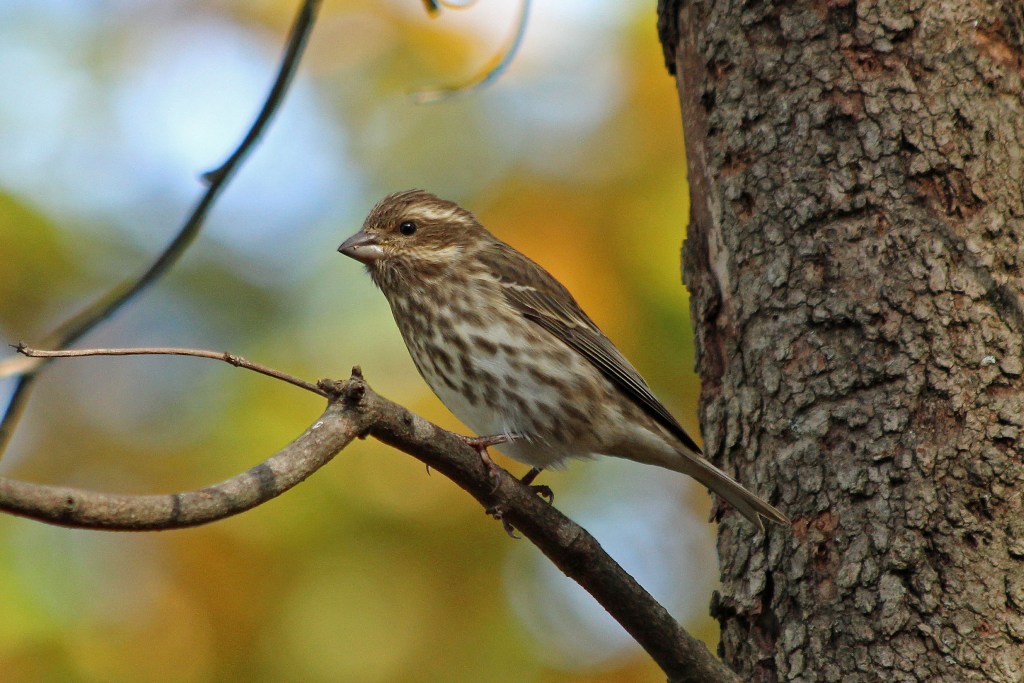
Ask experienced finch keepers which species they trust most for breeding, and the Bengalese finch comes up again and again. I've kept a lot of finch species over the years, and these little birds have a combination of traits you simply don't find bundled together anywhere else: calm in a group aviary, reliable on the nest, and willing to raise chicks that aren't even theirs. If you're weighing which species to focus your breeding program around, or just curious what makes the Bengalese so well-regarded, here's what I've learned from working with them up close.
Bengalese Finch at a Glance
Before diving in, here's a quick snapshot of the species to set the stage.
- Common name: Bengalese finch (also called Society finch in North America).
- Origin: Fully domesticated, bred in Japan from the white-rumped munia centuries ago. No wild population exists.
- Size: Small, around 4 to 5 inches, similar to a zebra finch.
- Lifespan: 5 to 8 years in good care, sometimes longer.
- Color varieties: Browns, chocolates, whites, pieds, creams, and fawns. Colour mutations are extensive because of the long domestication history.
- Song: Males produce a soft, rambling warble. Not loud, but genuinely pleasant in a room.
- Temperament: Calm, social, rarely aggressive even in mixed cages.
- Skill level: Beginner-friendly, one of the easiest finch species to breed successfully.
That combination of docile temperament and strong parental instincts is why the Bengalese finch has a devoted following among breeders at every experience level.
Why Breeders Choose the Bengalese Finch
Most finch species will breed under the right conditions, but the Bengalese finch does something extra: it stays reliable when things aren't perfect. Here's what sets it apart from a breeder's perspective.
- Consistent nest sitting. Once a female starts incubating, she stays on the eggs. Abandoned clutches are rare compared to more skittish species.
- Shared parenting. The male contributes meaningfully, often taking turns on the nest and helping feed chicks. This coordination keeps the brood warm and fed even if one parent is briefly off the nest.
- Acceptance of foster eggs. The Bengalese finch will incubate and raise eggs from other species with the same care it gives its own. This behavior is rare and genuinely useful, especially for breeding delicate species like Gouldians.
- Tolerance for groups. They coexist peacefully in colony setups, which lets breeders manage multiple pairs in a shared aviary rather than setting up individual cages for each pair.
- Forgiving of keeper mistakes. A beginner who misjudges timing or misses a step will usually still get a good outcome with Bengalese. The same error with a more sensitive species can cost an entire clutch.
If you're just starting out with finch breeding or building a program around a more demanding species, a reliable Bengalese pair is genuinely worth having around. The top 10 finch species for beginners covers a broader comparison if you're still deciding which direction to go.
Bengalese as Foster Parents for Gouldians and Other Species
This is the application that gets the most attention in breeding circles. The Bengalese finch is the go-to foster parent for Gouldian finches, which are beautiful but notoriously poor parents. When a Gouldian pair abandons eggs or simply can't keep up with chick feeding, a Bengalese pair can step in and take over without any drama.
What makes them good at fostering:
- They don't discriminate. A Bengalese pair will accept foreign eggs as readily as their own, provided the timing and incubation stage line up reasonably well.
- Their feeding rhythm is steady. Foster chicks get fed on the same schedule the Bengalese would use for their own young, which is exactly what fragile species need in the early days.
- They stay calm under pressure. A noisy or busy aviary won't rattle a Bengalese pair off the nest the way it might with a more anxious species.
If you're running a Gouldian breeding program, keeping a few Bengalese pairs available as backup fosters can be the difference between a successful season and a disappointing one.
Breeding Care Essentials
The Bengalese finch is forgiving, but it still benefits from a properly managed setup. Here's what matters most during the breeding season.
- Nest boxes. Enclosed nest boxes work best. They prefer the privacy of a fully covered box over open-cup nests. Supply one box per pair plus a spare to prevent competition.
- Nesting material. Soft grasses, coconut fiber, and feathers are favorites. Put materials out and let them build at their own pace.
- Diet boost. Before and during breeding, add egg food, sprouted seeds, and millet sprays to the base seed diet. This provides the protein chicks need to grow properly. A cuttlebone gives hens the calcium boost they need for strong eggshells.
- Light cycle. Around 12 to 14 hours of light per day triggers and sustains breeding behavior. Inconsistent light leads to erratic egg laying.
- Temperature. Keep indoor aviaries between 65 and 80 degrees Fahrenheit. They handle mild variation but don't do well in drafts or sudden cold.
- Rest between clutches. Strong breeding instincts can push pairs to keep producing without pause. Limit pairs to 2 or 3 clutches per year by removing nest boxes and pulling back on high-protein food. This keeps birds healthy and productive for the long term.
Managing the breeding cycle intentionally produces healthier pairs and stronger chicks over time. Learning the right pacing early is one of the most important skills a finch breeder can develop.
How the Bengalese Compares to Similar Species
It helps to put the Bengalese in context alongside the species breeders usually consider alongside it. Society finches are often treated as interchangeable with Bengalese since "society finch" is simply the North American name for the same bird. For a closer look at some of the key differences in behavior and breeding between named varieties, society finches vs. zebra finches breaks down how each performs.
Zebra finches are popular breeding subjects, but they're more variable parents than Bengalese. Some pairs are excellent; others abandon nests or break eggs. That unpredictability matters when you're trying to run a consistent program. The Bengalese wins on reliability, even if it produces fewer mutations and less of the instant visual payoff that zebra breeding offers.
FAQs: Bengalese Finch Breeding and Care
Here are answers to the questions I hear most from people who are new to the species.
Is the Bengalese finch the same as the society finch?
Yes. "Bengalese finch" is the name used in the UK and most of the world. "Society finch" is the same bird under its North American name. The species is fully domesticated and descended from the white-rumped munia, bred in Japan over hundreds of years.
How many clutches per year should I allow?
Two to three clutches per year is the responsible limit. The birds' strong drive means they'll continue if given the opportunity, but pushing past three clutches leads to nutritional depletion and declining health. Remove nest boxes and reduce protein foods between seasons to give pairs a genuine break.
Will Bengalese finches breed in a colony aviary?
Yes, and they often do well in colony setups. Supply at least one nest box per pair, ideally a few extras, and make sure the aviary has enough space for birds to establish their own zones. Overcrowding is the main cause of conflict among otherwise calm Bengalese pairs.
Do Bengalese finches sing?
Males do sing, but the song is soft and rambling rather than loud or structured. It's pleasant background sound rather than a performance. If you're keeping birds in a shared living space, the Bengalese won't cause noise complaints the way some other species might.
Is the Bengalese Finch Right for Your Aviary?
After years of working with finch species ranging from easy to genuinely demanding, the Bengalese finch earns its reputation. It won't frustrate you with abandoned clutches, difficult temperament, or strict care requirements. What it will do is breed consistently, parent well, and fit into almost any aviary situation without drama. Whether you want a reliable species to learn the basics of breeding or a steady foster pair to support a more delicate program, the Bengalese delivers. If you're still exploring which species belong in your aviary, lesser-known finch species you should know about is worth a read for some underrated options alongside the classics.