
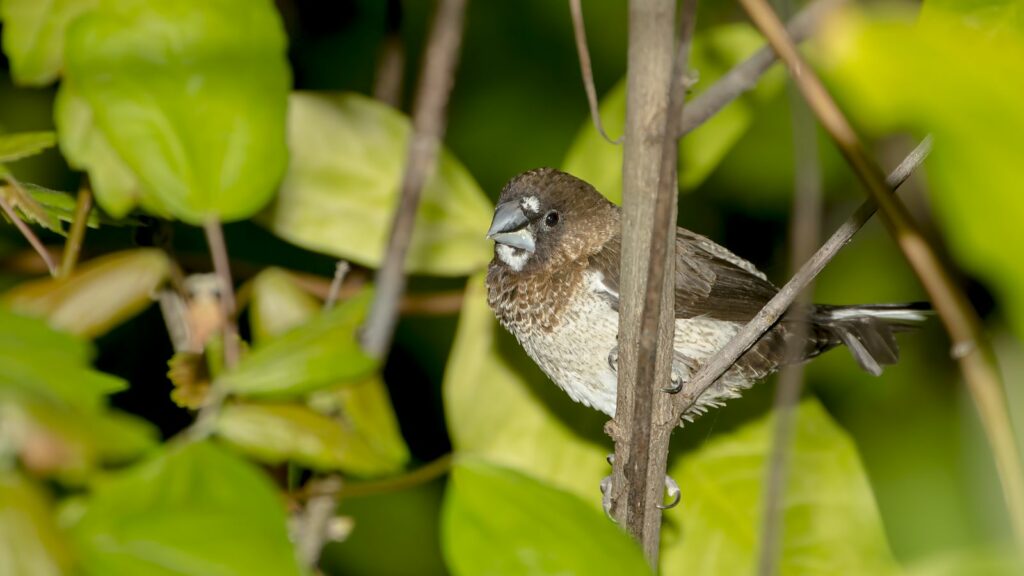
Choosing your first finch feels simple until you realize how many species are out there. Some are famously easy, others look beginner-friendly until you're managing a temperature-sensitive bird in your first winter. After years in the aviary keeping dozens of different species, I put together this list for the keepers who want a clear starting point, not a wall of options to sort through on their own.
These ten species share the traits that matter most when you're starting out: sturdy health, forgiving temperaments, manageable care needs, and genuine personality. A few need slightly more attention than others, and I'll flag that where it matters.
How to Use This Guide
Each profile below covers the facts that actually change your daily routine as a keeper. Look for these as you read:
- Difficulty. A quick read on how forgiving the species is for a newcomer.
- Cage needs. Minimum space and any setup specifics worth knowing upfront.
- Social needs. Whether the bird needs a companion or handles solo living fine.
- Diet. Anything beyond a standard finch seed mix.
- Temperament. Energy level, noise, and how the bird interacts with its environment.
Use those points to match a species to your actual setup, not just the one you think looks nicest in a photo.
The 10 Best Finch Species for Beginners
These species are ranked loosely from most beginner-friendly to slightly more involved, though every bird on this list is manageable for a new keeper who pays attention.
1. Zebra Finch
- Difficulty: Very easy.
- Cage needs: Standard finch cage, minimum 24 inches wide for a pair.
- Social needs: Strongly prefers a companion; pairs are the standard setup.
- Diet: Quality finch seed mix, fresh greens, egg food during breeding.
- Temperament: Active, social, cheerful; settles into a new habitat quickly.
The zebra finch is the species most keepers recommend first, and for good reason. It adapts to a wide range of conditions, rarely gets sick, and starts chirping and exploring within minutes of arriving in a new cage. If you want to understand why zebra finches are so popular, the short answer is that they make the hobby feel genuinely easy from day one.
2. Society Finch
- Difficulty: Very easy.
- Cage needs: Standard finch cage; fine in small groups.
- Social needs: Highly social; thrives in pairs or small flocks.
- Diet: Standard seed mix, occasional greens and egg food.
- Temperament: Gentle, calm, cooperative; very rarely aggressive.
Society finches got their name honestly. They are among the most relaxed pet finches I've kept, get along with most other species, and adapt to different cage styles without complaint. Their parenting instincts are so reliable that breeders use them as foster parents for more demanding species. For a first-time keeper who wants a calm, predictable household bird, society finches are a near-perfect match. If you're weighing your first purchase, the comparison between society finches and zebra finches covers the practical differences well.
3. Bengalese Finch
- Difficulty: Easy.
- Cage needs: Standard finch cage; does well in pairs or small groups.
- Social needs: Prefers company but tolerates short periods alone.
- Diet: Standard finch seed mix; small enrichment treats welcome.
- Temperament: Steady, gentle, bonds reliably with its surroundings.
Bengalese finches are closely related to society finches and share many of the same calm qualities, but they bring their own distinct personality. They rarely startle, make soft and pleasant calls, and are remarkably consistent parents. Beginners curious about breeding will find them a patient, low-stress introduction to the process. The full profile on why Bengalese finches work so well for breeders is worth reading before you commit to a pair.
4. Star Finch
- Difficulty: Easy to moderate.
- Cage needs: Slightly larger cage or aviary; enjoys movement.
- Social needs: Prefers small groups; benefits from flock interaction.
- Diet: Seed mix plus greens and egg food during nesting.
- Temperament: Gentle and relaxed; quiet chirps, unhurried movements.
Star finches are one of the more visually striking options on this list without being difficult to keep. Their white-spotted red facial markings are distinctive, and their personality is consistently sweet and laid-back. They prefer stable living conditions and do better in a group than alone, but their care is well within reach for a beginner who has a little extra space.
5. Java Finch
- Difficulty: Easy to moderate.
- Cage needs: Larger cage; they are bigger birds and need room to fly.
- Social needs: Does well in pairs; social and interactive.
- Diet: Seed mix with a wider seed variety; their thick beaks handle larger seeds.
- Temperament: Confident, calm, expressive; deeper call than smaller finches.
Java finches are larger than most pet finches, which gives them a presence that beginners often find appealing. Their size doesn't make them harder to care for; it mostly means you need a spacious enclosure and should plan nest boxes to fit their bigger frames. They adjust well to new routines and maintain a confident but peaceful temperament throughout the day.
6. Diamond Firetail Finch
- Difficulty: Moderate.
- Cage needs: Larger cage or aviary recommended; they enjoy active flying.
- Social needs: Pairs or small groups; bonds strongly with a mate.
- Diet: Standard seed mix, fresh greens; nothing complex.
- Temperament: Energetic, bold, visually impressive; bonds well with its partner.
Diamond firetails are among the most striking Australian finches available to beginners. Their bold red tails and patterned chest bands make them stand out in any aviary setup, and their health is robust enough to forgive some beginner mistakes. They need more space than a standard cage provides, but their diet stays simple and their behavior is predictable once they settle into a routine.
7. Gouldian Finch
- Difficulty: Moderate (temperature-sensitive; stable conditions required).
- Cage needs: Standard cage or aviary; avoid cold drafts and temperature swings.
- Social needs: Pairs; peaceful around other finch species.
- Diet: Quality seed mix with regular greens; a complete diet matters more here.
- Temperament: Quiet, gentle, calm; spends more time perching than racing around.
Gouldian finches are the most visually stunning birds on this list, and modern captive-bred birds are significantly hardier than the wild-caught birds of earlier decades. The main caveat for beginners is temperature stability: Gouldians dislike cold drafts, sudden changes, and poorly heated rooms in winter. Get the environment right and they are genuinely rewarding birds to keep. For everything you need to know before bringing one home, the full Gouldian finch care and personality guide covers it in detail.
8. Plum-Headed Finch
- Difficulty: Easy to moderate.
- Cage needs: Standard cage; tolerates varied setups.
- Social needs: Pairs or mixed aviaries; peaceful and non-territorial.
- Diet: Standard seed mix; no special requirements.
- Temperament: Soft, musical call; refined and relaxed; rarely causes conflict.
Plum-headed finches have a quiet beauty that doesn't rely on bold colors. Their pastel markings and gentle movements make them a calming presence in any aviary, and they adapt reliably to different environments as long as conditions stay reasonably stable. Beginners who want a graceful, low-key bird often find plum-headed finches to be a perfect fit.
9. Cutthroat Finch
- Difficulty: Easy to moderate.
- Cage needs: Moderate space; benefits from room to fly.
- Social needs: Flock-oriented; does well in small groups.
- Diet: Standard finch diet; straightforward.
- Temperament: Hardy, independent, resilient; confident in flock settings.
Cutthroat finches look more intense than they are. The distinctive red band across the neck of males catches attention, but their temperament is controlled and their care requirements follow standard finch practice. They're forgiving birds for beginners still learning the rhythms of daily care. I'd suggest waiting until you know your flock's dynamics before attempting breeding, but for general keeping they're an easy, hardy choice.
10. Masked Finch
- Difficulty: Easy to moderate.
- Cage needs: Standard cage; doesn't require aviary-level space.
- Social needs: Small groups; social and calm in flock settings.
- Diet: Seed-based diet with added greens; straightforward feeding routine.
- Temperament: Active but measured; responds predictably to new setups.
Masked finches round out the list with their distinctive facial markings and steady, coordinated flock behavior. They're active without being frantic, respond well to routine, and rarely create tension with other birds. For a beginner who wants a reliable, healthy finch with visual interest, masked finches deliver on every point.
How to Choose the Right Species for You
Your living situation should narrow the list before personality or appearance does. Work through these questions first:
- How much space do you have? Smaller apartments favor zebra finches, society finches, or Bengalese. Java finches and diamond firetails need a larger footprint.
- Can you maintain stable temperatures? Gouldian finches need it. Most others are more forgiving of minor fluctuations.
- Do you want pairs or a small flock? Star finches, cutthroats, and masked finches do best in small groups. Zebra finches and Bengalese are happy in pairs.
- Are you interested in breeding? Society finches and Bengalese finches are the easiest starting point, with predictable behavior and strong parenting instincts.
- What noise level works for you? Zebra finches are the liveliest and loudest. Plum-headed finches and Gouldians are among the quietest.
Match those answers to the profiles above and you'll have a short list of two or three species that genuinely fit your setup.
What All Beginners Should Know Before Choosing
A few things matter no matter which species you pick. These come up in the first few weeks for almost every new keeper:
- Finches need companions. Almost every species on this list does better with at least one other bird of the same species. A solo finch in an empty cage is rarely a happy one.
- Fresh water and clean feeders matter daily. Small birds are more vulnerable to spoiled food and stale water than you'd expect.
- Seed-only diets fall short. Every species here benefits from fresh greens, egg food at least occasionally, and some variety beyond a basic seed mix.
- The cage needs room to fly, not just room to sit. Wider is always better than taller for pet finches.
- Young birds settle in faster than adults. If you have a choice, starting with a young, captive-bred bird in good feathers makes the first few weeks much smoother.
Get those fundamentals right and most of the other questions answer themselves as you go.
FAQs: Finch Species for Beginners
Here are the questions I hear most often from people choosing their first finch:
Which finch is the absolute easiest for a first-time keeper?
Zebra finches edge out the rest. They are hardy, adaptable, widely available, and forgiving of the small mistakes every beginner makes. Society finches are a very close second, especially for anyone who wants a calmer, quieter bird.
Can I keep different finch species together in one cage?
Some species mix well and others don't. Zebra finches, society finches, and Bengalese generally coexist peacefully. Gouldians and diamond firetails can work in mixed aviaries with supervision, but adding incompatible species creates stress and territorial conflict. Research the specific pairing before combining birds.
How big does my first finch cage need to be?
For most species on this list, a cage at least 24 to 30 inches wide gives a pair enough room to fly, not just perch. Java finches and diamond firetails need more. The key measurement is width: finches fly horizontally, so a tall narrow cage wastes the space that matters most.
Do beginner finches require a vet?
Healthy finches rarely need frequent vet visits, but an avian vet checkup when you first bring birds home is worth doing. Most pet finch illnesses are preventable with good diet, clean housing, and stable temperatures. When something looks off, early treatment makes a real difference.
Are Gouldian finches really that much harder to keep?
Not dramatically, but they do require more attention to temperature and diet than zebra or society finches. Modern captive-bred birds are more robust than their reputation suggests. If you have a heated, draft-free room and can offer a nutritionally complete diet, Gouldians are very manageable for a careful beginner.
Start With One Species and Learn It Well
Every keeper I've talked to who has a thriving aviary today started with one species, got comfortable with it, and built from there. Pick the bird that fits your space and your daily routine, not just the one that caught your eye in a photo. The pairs on this list that match new keepers most often are zebra finches and society finches, and for good reason. Get either one settled, healthy, and singing, and you'll understand exactly what you're working with before you add anything else.