
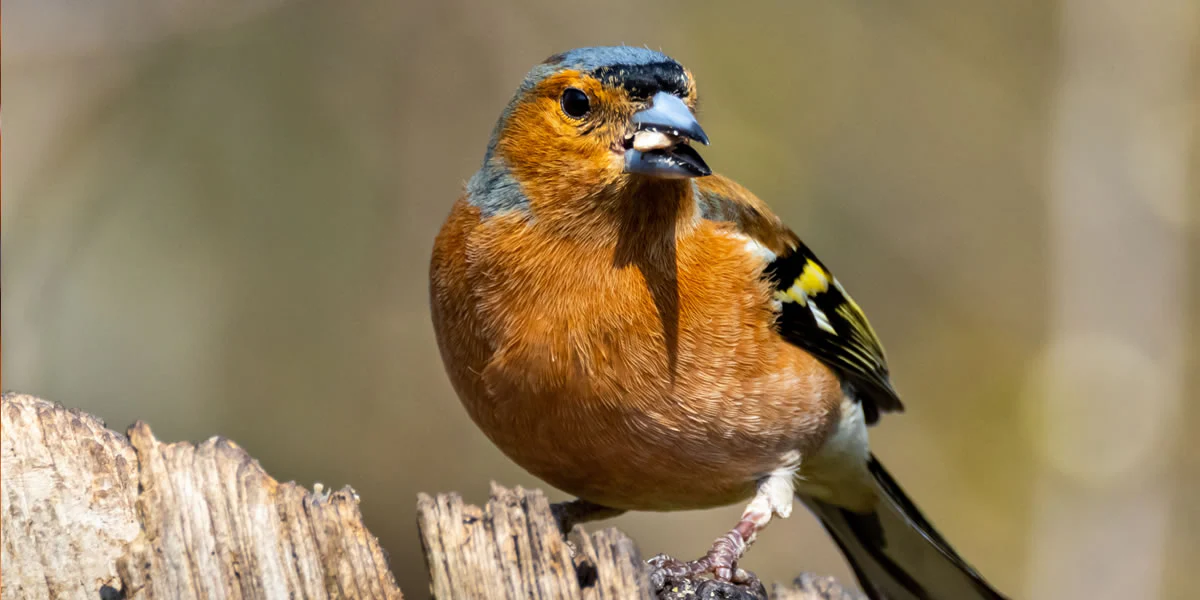
My zebra finch went quiet one afternoon and I almost missed it. No frantic fluttering, no visible injury. He was just perched low, feathers slightly puffed, watching the room with that distant look. It turned out a new fan had been blowing air across the cage all day. Once I moved him, he was back to his usual self within 48 hours. That experience taught me something I rely on now: a finch communicates its stress clearly, if you know what you're looking for.
Below are the five signs I watch for, what each one usually means, and what I actually do about it.
The 5 Signs of a Stressed Finch
These are the behaviors that tell me something has shifted in my bird's world. None of them alone is a diagnosis, but seeing one, especially paired with another, means it's time to investigate.
- Sudden quiet or reduced singing. A finch that drops from constant chatter to near silence is under pressure. It may be stress, illness, molting, or loneliness. Song is one of the first things to go when a finch doesn't feel safe.
- Restlessness or frantic flying. Bouncing wall to wall, hopping without settling, or clinging to the cage bars in an agitated way usually points to a fear trigger or something new and threatening in the environment.
- Puffed feathers with low energy. A bird sitting on the floor or a low perch, feathers fluffed up and eyes half-closed, is not comfortable. This can be stress, but it also overlaps with sick finch behavior, so it needs closer attention.
- Changes in eating or drinking. Skipping meals, picking without eating, or drinking noticeably more than usual are all signs that something is off. Canary and finch keepers alike know that appetite changes are an early, reliable indicator of stress or illness.
- Feather plucking or poor feather condition. Over-grooming, pulling at feathers, or patchy spots where plumage looks thin are signs the bird is anxious. Healthy feathers come from a healthy bird; when stress builds, condition drops.
If you notice one of these signs, don't wait and see. Run through the checklist below and start narrowing down the cause.
What to Do for Each Sign
Matching the right response to the right behavior is how you fix this faster. Here's how I work through each one.
If Your Finch Goes Quiet
Silence is a signal, not a problem in itself. My first move is to check for any change in the last 24 to 72 hours: a moved cage, a new pet, a different room, more noise than usual. Then I check the basics.
- Look for changes in environment, cage position, or daily routine.
- Check lighting. Finches need a natural rhythm of light and dark to stay regulated. A disrupted light cycle will suppress singing. Read more about how lighting affects finch behavior if this could be a factor.
- Consider whether the bird is molting. A finch losing and regrowing feathers will go quiet on purpose. Give it extra nutrition and patience.
- If silence continues past a week with no improvement, that's a vet call, not just an adjustment.
Most cases of sudden silence resolve once you've identified and removed the stressor.
If Your Finch Is Restless or Erratic
Frantic movement usually has a clear trigger. Scan the environment first, then fix what you find.
- Look for new pets nearby, especially cats or dogs, whose presence causes constant fear responses even through glass or bars.
- Check for drafts, sudden temperature changes, or anything moving near the cage that wasn't there before.
- Dim the room slightly and quiet surrounding noise. Unpredictable sound, not just volume, drives agitation in finches.
- Make sure the cage is large enough and not overcrowded. Territorial conflict is a constant low-grade stressor that can produce restless behavior in the whole group.
Remove the trigger and the restlessness usually settles within a day or two.
If Your Finch Is Puffed Up and Lethargic
This one needs the most caution. Puffed feathers and low energy can be stress, but they're also classic signs of illness in finches. I treat this one as potentially urgent.
- Check posture first. A bird sitting on the cage floor is more concerning than one perched low.
- Listen for clicking, wheezing, or tail-bobbing with each breath. These point to respiratory issues, including air sac mites, which need a vet immediately.
- Look at the beak and nostrils. Discharge, crustiness, or labored breathing are signs to skip straight to veterinary care.
- If the bird looks unwell but has no other obvious symptoms, start by removing stressors and warming the environment slightly. If there's no improvement within 24 hours, call a vet.
Never assume puffed feathers are just stress without ruling out illness. The earlier you catch a sick finch, the better the outcome. Review common finch diseases and how to prevent them to understand what you're watching for.
If Your Finch's Eating Habits Change
Skipped meals are worth investigating the same day you notice them.
- Refresh food and water first. Stale seed, dusty husks, or old water can cause a finch to avoid the bowl entirely.
- Add something familiar and appealing, a fresh green or a small piece of fruit the bird likes, to see if appetite comes back.
- Check that no cage mate is blocking access to food. Dominant birds will sometimes monopolize feeders, leaving others underfed without it being obvious.
- If reduced eating continues for more than two days despite a clean setup and a calm environment, consult a vet. Prolonged appetite loss is not just a stress issue.
Diet quality also matters here. A seed-only diet leaves finches nutritionally thin and more vulnerable to stress effects. Round out the menu with leafy greens, sprouted seeds, and a cuttlebone for minerals.
If Your Finch Is Feather-Plucking or Looks Ragged
Feather condition tracks stress over time. A bird that's been anxious for a while will show it in its plumage.
- Add a shallow bath to the cage. Bathing helps finches relax and encourages better grooming habits.
- Check for mites. Air sac mites affect breathing, but feather mites and other parasites cause over-grooming, patchy plumage, and skin irritation. Your vet can confirm with a simple exam.
- Improve enrichment. Boredom is a real driver of feather plucking. Rotate perches and toys, and make sure the cage has enough stimulation to keep an active bird busy.
- Look at humidity levels. Dry air makes feathers brittle and grooming uncomfortable, which can create a loop of over-preening.
If plucking has caused visible bald patches, or if the bird seems to be targeting another bird's feathers, that's worth a vet visit to rule out parasites and nutritional deficiencies.
When to Call a Vet
Some signs of stress you can manage at home. These you can't, so don't wait.
- Clicking, wheezing, open-mouth breathing, or tail bobbing with each breath.
- Puffed feathers and low energy lasting more than one day.
- Nasal discharge, a crusted beak, or swollen eyes.
- A bird sitting on the cage floor and not responding normally.
- Complete refusal to eat for 48 hours or more.
- Visible bald patches combined with skin irritation.
Any of these warrants a same-week call to an avian vet, and the first two on that list are same-day calls. Setting up your cage to prevent stress from building is the better path. A solid safe finch environment removes most of the conditions that cause these problems in the first place.
Building a Routine That Prevents Stress
Most stressed finches aren't dealing with one dramatic event. They're dealing with accumulated small disruptions. A few habits remove most of the risk.
- Keep feeding, cleaning, and light cycles consistent. Finches thrive on predictability. The same routine every day keeps their nervous system calm.
- Give them enough space. Overcrowded cages create competition, territorial behavior, and background stress that never fully resolves. Check that your setup meets the right cage size for your group.
- Rotate enrichment gradually. New toys and perches are good for mental health, but introducing too much at once is unsettling. Swap one thing at a time.
- Observe them daily. A quick two-minute check of posture, feathers, eating, and movement tells you a lot. Changes are easier to catch early when you know what normal looks like.
Use the complete finch health checklist as a regular reference to stay ahead of small issues before they become visible stress.
FAQs: Signs of Stressed Finch
Here are the questions I hear most from finch owners noticing these behavior changes.
How can I tell if my finch is stressed or sick?
The overlap is real, and that's exactly why puffed feathers or low energy should be taken seriously. Stress signs usually improve within a day or two once you remove the trigger. Illness doesn't. If a bird isn't improving after environmental changes, or if you see respiratory symptoms like clicking or open-mouth breathing, that's a vet call, not a stress management issue.
My finch is plucking feathers. Is that always stress?
Not always. Feather plucking can come from stress, boredom, mites, dry air, or nutritional deficiency. Start by adding a bath and checking enrichment levels. If plucking continues or you see skin irritation, get a vet exam to rule out parasites before assuming it's purely behavioral.
How long does it take a stressed finch to recover?
Once the stressor is removed and conditions are stable, most finches show improvement within two to four days. Singing and normal activity levels often come back within a week. If you're not seeing improvement after ten days of a calm, consistent environment, the cause may not be stress alone.
Can two finches stress each other out?
Yes. Incompatible pairs, overcrowded cages, or one dominant bird blocking food and perch access creates ongoing low-grade stress for the whole group. If one bird is consistently being chased or excluded, temporary separation and a cage reset usually helps more than any other single change.