
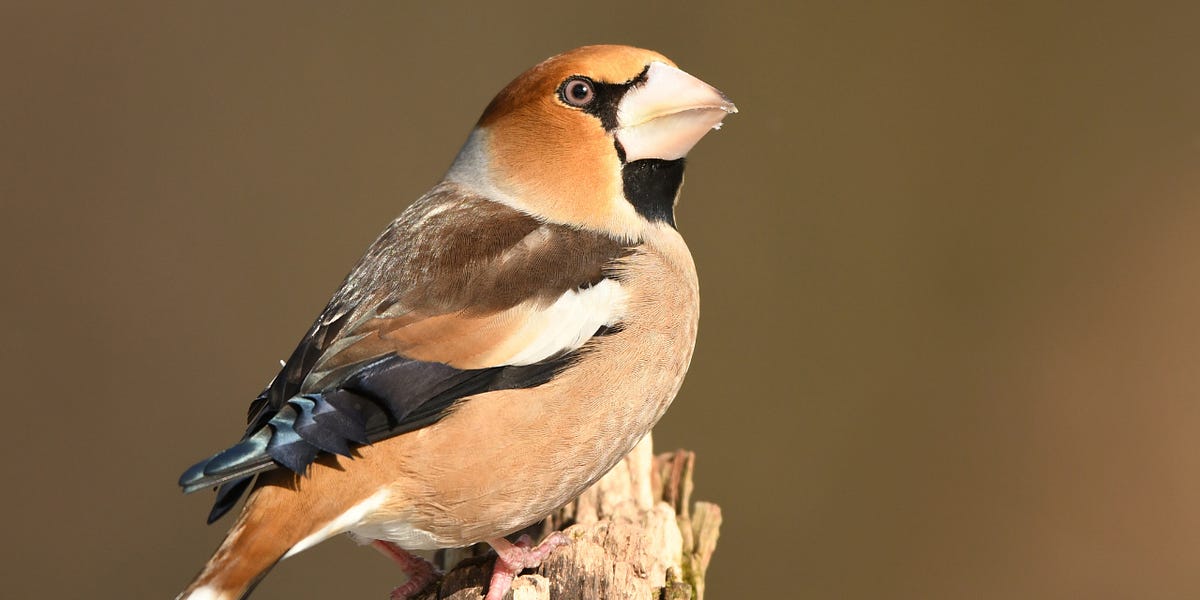
My aviary runs on daily habit. Not rules exactly, just the kind of quiet attention where you start noticing what's normal for each bird, which ones greet the morning loud and which ones ease in slow. Once you know what normal looks like, you can spot when something has shifted before it becomes a real problem. That's the whole point of a finch health checklist: not to create busywork, but to build the muscle memory that catches things early.
This one is structured the way I actually use it. I'll walk you through how to run the checks, then give you the checklists grouped by frequency, followed by what healthy looks like versus what sends me reaching for the phone to call my avian vet.
How to Use This Checklist
Finches are prey animals. They mask illness for as long as they can, which means by the time a sick bird looks obviously sick, it's been struggling for a while. The daily and weekly checks here are designed to catch the subtle stuff first: a slight posture change, a shift in how much a bird is eating, a dropping that looks off. Run through them in order so nothing slips past.
- Daily checks take about two minutes. Do them at the same time each morning while the birds are most active, so your baseline stays consistent.
- Weekly checks go deeper. Pick one day and hold to it so you build a real comparison over time.
- When something looks wrong, don't wait. Finches are small and decline fast. A same-day or next-day call to an avian vet is always the right call when you're unsure.
- Keep notes for a week or two when starting out. What seems normal by memory is often fuzzier than you think. A quick note on your phone is enough.
Once this becomes automatic, you'll know in thirty seconds whether everyone is doing well or whether one bird needs a closer look.
Daily Checks
These are the fundamentals. Do them every morning before you refill food or water, when you can observe the birds before they're distracted by fresh dishes.
- Activity and posture. Every bird should be upright, moving between perches, and alert. A finch sitting hunched on the cage floor or pressing into a corner is a red flag.
- Breathing. Watch the chest. Healthy finches breathe quietly and invisibly. Tail bobbing with each breath, clicking, wheezing, or open-mouth breathing all point to respiratory trouble.
- Eyes and beak. Eyes should be bright and fully open. The beak and nares (nostrils) should be clean and dry, with no discharge or crusting.
- Droppings. Normal droppings are firm with a white urate cap. Watery, discolored, or unusually soft droppings are worth tracking. One off dropping is no big deal; several in a row is a sign to watch.
- Food and water consumption. Seed bowls should show activity, and water should be getting used. A bird ignoring both is often the earliest sign of illness.
- Social behavior. Is everyone engaging with the flock? A bird isolating itself, getting pushed off perches, or staying unusually quiet usually signals something is off, either physically or socially.
If you see even one of these items looking wrong, keep an eye on that bird throughout the day. Two items wrong at the same time means it's time to separate and observe more closely.
Weekly Checks
Weekly checks take a bit more time and involve actually handling the birds if you can. Some finch species tolerate handling better than others, so adapt as needed. For species and varieties that stress easily with hands, focus on close visual observation during the weekly pass.
- Feather condition. Plumage should be smooth and complete. Ruffled feathers that stay ruffled (not just after a bath or in cold air) suggest the bird is trying to conserve body heat. Missing patches, frayed tips, or over-preened areas can point to mites, nutritional gaps, or cage-mate conflict. A deeper look at finch grooming habits can help you tell normal preening from a problem.
- Keel bone check. Gently feel the breastbone. It should have light padding on each side. If it feels sharp like a blade with no cushion, the bird is underweight. If the area is puffy or bulging, that's the opposite concern. Both warrant a vet visit.
- Vent area. Should be clean and dry. Pasting or soiling around the vent can indicate an infection or digestive issue and needs veterinary attention.
- Feet and legs. Toes should all be present and the grip should be firm. Scaly or crusty buildup on the feet or legs is often a sign of scaly-face/leg mites and is very treatable if caught early.
- Cage and habitat review. Check perches for heavy soiling, inspect the cage bars and corners for rust or sharp spots, and look for any mold in corners or under the water dish. A clean habitat directly supports a healthy flock.
- Toys and enrichment. Rotate toys so there's always something fresh. Check that existing toys haven't been chewed into hazardous shapes. Wood toys and swings are fine; anything with small parts that can be swallowed is not.
- Diet quality check. Look at what's actually being eaten versus what's being scattered or ignored. If birds are eating around certain foods, the mix may need adjusting. Fresh greens, sprouted seeds, and a cuttlebone or mineral block should always be on offer alongside their seed mix. For a deeper dive on getting the balance right, I keep a nutritionally balanced finch diet guide that breaks it down.
The weekly check is also when I reassess flock dynamics. If the same bird is consistently getting pushed off the best perches or the food dish, it may need a separate feeding station or a cage reconfiguration.
Signs of a Healthy Finch
It helps to know what you're aiming for. A bird that checks all of these boxes is doing well.
- Active and curious during daylight hours. Moving between perches, interacting with flock mates, investigating new items in the cage.
- Singing or chattering regularly. Vocalization is a strong health indicator. A quiet finch is worth a second look.
- Smooth, complete plumage. Feathers lying flat and shiny, with no bare patches.
- Bright, alert eyes. Fully open, clear, and responsive to movement.
- Consistent eating and drinking. Approaching food and water with normal enthusiasm throughout the day.
- Firm, upright posture. Standing tall on the perch with a confident grip.
- Normal, formed droppings. Firm with a white urate portion and minimal odor.
- Good body condition. Keel bone slightly cushioned on each side, neither sharp nor puffy.
Healthy finches are also resilient to minor routine changes. They adapt when you move things around, recover quickly from mild stress, and bounce back fast after a short illness. If a bird has been struggling to hold weight or recover from stress for more than a week, that's worth a conversation with your vet. Understanding how to recognize a healthy finch at first sight makes this much easier to assess quickly.
Warning Signs That Need a Vet
Some things are "keep an eye on it" territory, and some things are not. These are the ones where you call rather than wait.
- Open-mouth breathing, clicking, or wheezing. Respiratory distress in a small bird can progress to fatal within hours. Don't sit on this one.
- Fluffed, hunched posture for more than a few hours. A bird sitting puffed up on the cage floor is conserving heat, which means something is seriously wrong.
- Loss of balance or falling from perches. Neurological symptoms, ear infections, or severe weakness can all cause this.
- Refusal to eat or drink for more than half a day. Finches have fast metabolisms. Going off food quickly becomes an emergency.
- Bloody or completely liquid droppings. These point to infection, parasites, or internal bleeding and need same-day attention.
- Discharge from eyes, nares, or beak. Any wet or crusty buildup in these areas signals infection.
- Sudden significant weight loss. A bird that feels noticeably lighter than it did last week needs a vet, not a diet tweak.
- Scaly buildup on face, beak, or legs. Classic presentation of Knemidokoptes mites. Highly treatable but won't resolve on its own. This is one of the common finch diseases that benefits most from early diagnosis.
When you're unsure whether something counts as a warning sign, the safe call is always to phone your avian vet and describe what you're seeing. Most will give you a quick read on whether it can wait. Regular vet checkups for finches also catch issues you'd never find on your own, so building that relationship before there's an emergency is worth the effort.
FAQs: Finch Health Checklist?
A few questions I hear often when people start building a health routine for their birds:
How often should I do a full health check on my finches?
Daily quick checks and weekly deep checks cover most of what you need. If you have a bird that's recovering from illness or is older, bump the deep check to every few days. An annual exam with an avian vet rounds it out and catches internal issues no visual check will find.
My finch looks fine but has been quiet for a couple of days. Should I worry?
Silence for a day or two can be normal after a stressful event, a change in the cage setup, or during molting. If it stretches past two to three days with no other symptoms, run through the full daily checklist carefully. Respiratory issues and early illness can mute a finch well before you see obvious physical signs. Check posture, breathing, and droppings first.
What's the most common thing new finch keepers miss?
The keel bone check. Most people never feel how their bird's breastbone should feel until the bird is already underweight. A quick gentle check once a week takes seconds and gives you a baseline so you know immediately if something changes.
Do I need to bring my finch in for yearly vet visits if it seems healthy?
Yes. Finches are excellent at masking illness, and annual avian vet visits pick up things like internal parasites, early organ issues, and nutritional deficiencies that look invisible from the outside. Think of it the same way you'd approach your own annual checkup: the goal is to find things before they become problems, not after.
A consistent routine is the difference between catching something on day one and catching it on day ten. The checklist only takes a couple of minutes when you do it every day, and those minutes are the most valuable ones you'll spend with your flock.