
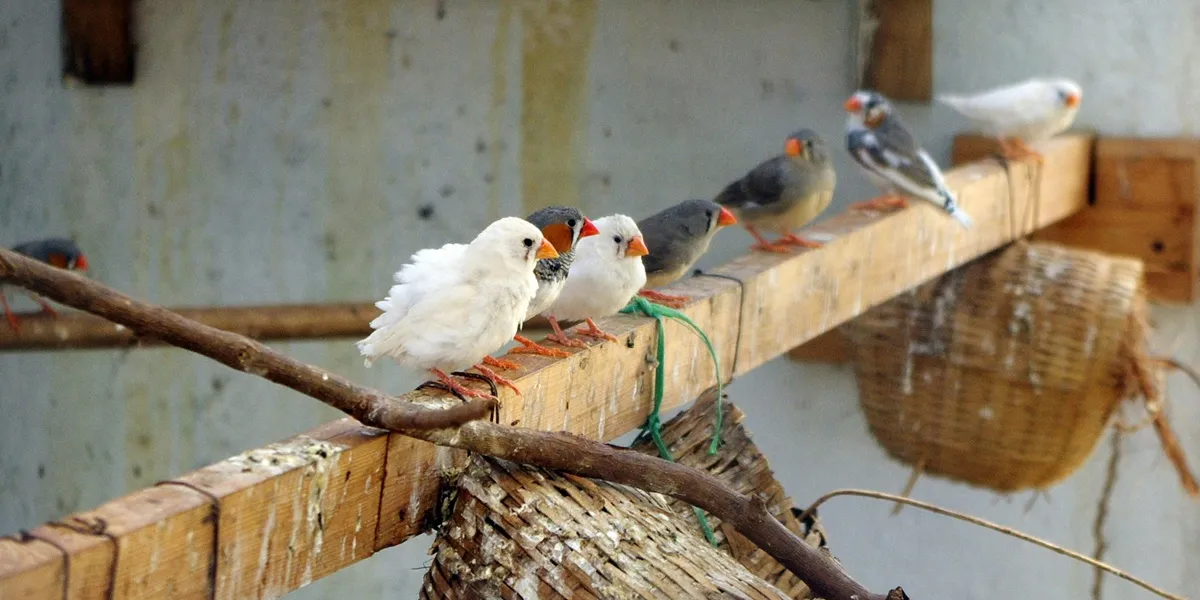
Picking a cage sounds simple until you start watching finches actually live in one. I've rearranged, upgraded, and flat-out replaced cages more times than I'd like to admit, always chasing the same thing: a setup where my birds move freely, stay calm, and stop squabbling over perches. What I've learned is that cage size, shape, and layout aren't just comfort details. They're the foundation of how a finch pair bonds and how a group holds together.
This guide covers what to actually look for, the real size minimums that work (not just the ones printed on the box), how different cage styles stack up, and the mistakes that send new owners back to the store. If you're starting fresh or upgrading a current setup, this is where to begin.
What to Look for in a Finch Cage
Before you compare specific models, get clear on the features that matter most for finches as a species. A pet finch cage isn't just a bird cage, it's a flight space, a social environment, and a daily habitat all in one.
- Horizontal length over height. Finches fly side to side, not up and down. A tall narrow cage wastes most of its space on vertical room finches rarely use. Length is always the priority.
- Bar spacing of 3/8 to 1/2 inch. Anything wider risks heads or wings getting caught. Anything tighter than 3/8 inch restricts airflow unnecessarily. This is a non-negotiable safety spec.
- Powder-coated or stainless steel finish. Painted cages chip over time, and finches explore surfaces with their beaks constantly. Powder coating holds up far better and stays non-toxic through daily contact.
- Removable slide-out tray. More birds means more cleaning. A tray that slides out without opening the main door keeps the birds calmer and the routine faster.
- Multiple access doors. You need entry points for feeding, cleaning, and rearranging perches without sending a group into a panic flight.
- Solid rectangular shape. Curved domes and decorative shapes create dead zones where birds can't move comfortably. A plain rectangle gives you the cleanest flight path and the most usable volume.
These aren't premium features. They're the baseline for any cage worth buying for finches.
Size Specs: Pairs vs. Groups
Cage size requirements scale quickly once you move from a single pair to a small flock. Here are the minimums that actually work, based on real behavior rather than manufacturer suggestions.
For a bonded pair:
- Minimum length: 30 inches, though 36 inches is noticeably better for daily activity.
- Width: at least 18 inches so both birds can turn comfortably mid-flight.
- Height: 18 inches minimum, mostly to give vertical variety with perch placement.
- A 30 x 18 x 18 inch cage is the true floor. Anything shorter and you'll see the pair start circling rather than flying.
For a small group of 3 to 6 finches:
- Minimum length: 40 to 48 inches. At this size, the cage starts creating the separate micro-zones finches need to spread out.
- Preferred: a flight cage of 60 inches or more. The extra length reduces competition over perches dramatically.
- Width: 24 inches or more so birds can pass each other in flight without clipping wings.
- Every bird you add past two increases the length requirement more than the height requirement. Think horizontally.
For larger flocks of 6 or more:
- A true indoor aviary setup, 60+ inches long, is worth the investment.
- At this scale, cage size is the single biggest factor in flock harmony. Birds that feel crowded feather-pick, chase, and develop stress behaviors fast.
- Check out specific cage size and bar spacing guidance for finches before you commit to a setup for a larger flock.
The pattern here is consistent: when in doubt, go longer.
Cage Style Comparison
Not all flight cages are built the same. The style you choose affects everything from daily movement to how easy the cage is to maintain.
- Standard flight cage (30 to 48 inches). The best all-around option for pairs and small groups. Good horizontal length, usually priced reasonably, and widely available. These work for most households without dominating a room.
- Large flight cage or indoor aviary (60+ inches). The right call for groups of five or more, or for anyone who wants to watch finches behave the way they do in the wild. Movement is fluid, conflict is rare, and the birds develop better social structure. The tradeoff is floor space and cost.
- Decorative or ornate cage. Usually built for aesthetics first. These almost always sacrifice flight length for visual design. Curves, domes, and fancy shapes create dead zones. I avoid them for finches entirely.
- Plastic panel cage. Poor airflow, dampened acoustics, and harder to clean. Not suitable for groups. A basic wire or powder-coated metal cage outperforms plastic every time.
- Modular or expandable cage. Worth considering if you plan to grow your flock gradually. Some designs allow sections to be added as your group expands. Just verify that bar spacing and overall dimensions are finch-appropriate before buying.
For most people housing one to four birds, a solid rectangular flight cage in the 36 to 48 inch range is the sweet spot between practical and affordable.
Mistakes to Avoid
These are the errors I see most often, and most of them are easy to skip once you know what to look for.
- Buying for looks instead of length. Attractive cages often fail finches on the one metric that matters most. Always check the horizontal floor dimension first.
- Ignoring bar spacing. A single bar too wide is all it takes for a finch to get its head stuck. Measure before you buy and confirm the spacing matches finch-safe specs (3/8 to 1/2 inch).
- Under-sizing for groups. A pair can make 30 inches work. Three birds in the same cage will show stress within days. Groups need significantly more horizontal room than the pair minimum suggests.
- Skipping a cage stand. Cages placed on low surfaces put finches below eye level, which can increase anxiety. A proper cage stand brings them to a comfortable height and keeps the setup stable.
- Overcrowding the interior. More toys, more perches, and more accessories aren't always better. Clutter in the center flight path is just as bad as a cage that's too short. Keep the middle open.
- Only one feeding and water point. Dominant birds will guard single stations. Multiple feeding positions on opposite ends of the cage reduce competition and keep the group calmer.
- Skipping bedding research. The material lining the tray affects both hygiene and how often you clean. Review the best bedding materials for finch cages before you set up the floor of the tray.
Most of these come down to prioritizing how finches actually live over how a cage looks in a product photo.
Setting Up the Cage Once You Have It
The cage itself is only part of the equation. How you configure the interior determines whether birds actually use the space well.
- Place perches at the far ends of the cage, not in the middle. This creates clear flight lanes and gives birds defined landing zones.
- Use natural hardwood perches with varied diameters. Different thicknesses strengthen feet and reduce pressure sores. Smooth plastic perches don't provide enough grip for fast takeoffs.
- Set up feeding stations on both ends. Water too. No single dominant bird should be able to guard all resources from one spot.
- Leave the center flight path completely clear. One or two perches maximum in the middle, positioned so they don't interrupt the primary glide path.
- For pairs, give each bird its own corner space, especially during molting. A bonded pair still benefits from having separate zones for downtime.
For a full walkthrough on how to configure the interior from scratch, setting up the perfect finch cage goes step by step through placement, perches, and accessories. And once the layout is sorted, adding plants to the habitat safely is a nice way to add enrichment without cluttering the flight path.
FAQs: Best Finch Cages for Pairs and Groups
Quick answers to what I hear most often when people are picking a cage for the first time.
What is the minimum cage size for a finch pair?
30 inches long by 18 inches wide by 18 inches tall is the real floor. A 36-inch length is noticeably better for daily activity and keeps the pair from circling instead of flying.
Can finches share a cage with canaries?
Sometimes. Canary-finch cohabitation depends heavily on individual temperament, but the cage size and bar spacing requirements are similar. The bigger issue is that canaries can be territorial with small birds. If you try it, use a large flight cage with plenty of separate zones and watch closely for chasing.
How many finches can I keep in a 36-inch cage?
A 36-inch cage works well for a bonded pair and can manage three finches if the interior is set up well with separate feeding stations and perch zones. Four birds in that space will start showing stress. For three or more, aim for 40 to 48 inches minimum.
Does cage height matter for finches?
Less than length, but it still matters. A minimum of 18 inches gives you enough vertical range to vary perch heights, which finches use differently throughout the day. Going taller doesn't hurt, but adding length always helps more than adding height.
Should I get a cage with a stand?
Yes, if the cage doesn't already include one. Placing a cage directly on the floor puts finches in a vulnerable position and increases anxiety. A cage stand at roughly eye level is the stable, comfortable default.