
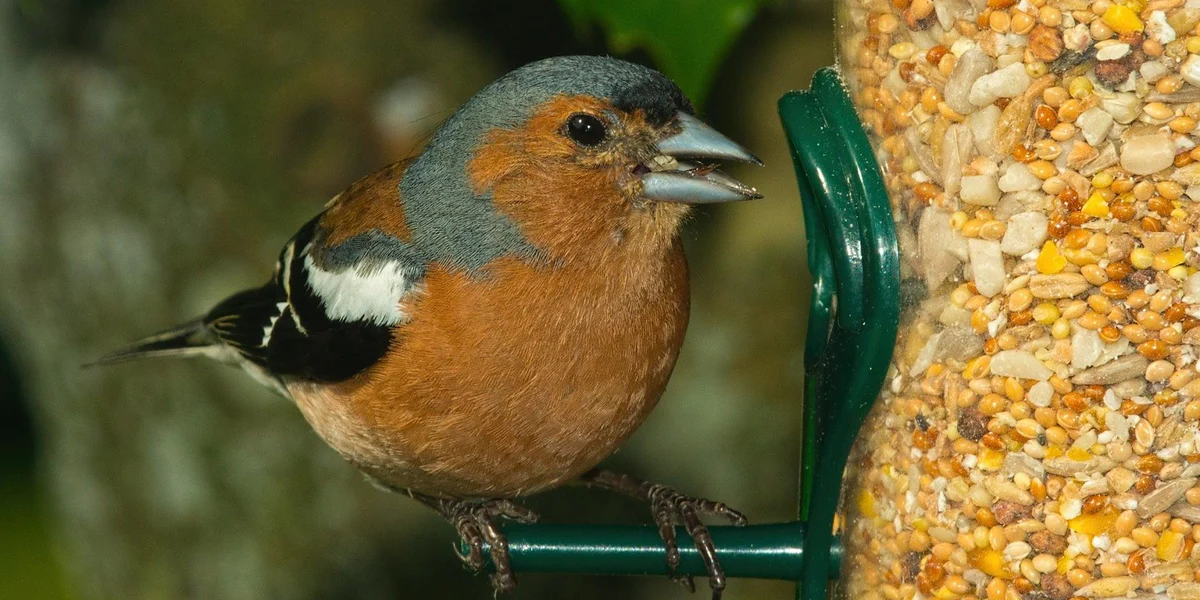
Plants changed my aviary more than any perch or toy ever has. The first time I tucked a spider plant into the corner of my finches' enclosure, they spent twenty minutes investigating every leaf. That curiosity, the hopping, the nibbling, the way they tucked themselves into the shade behind the stems, told me something real: greenery isn't decoration for a finch. It's enrichment. It satisfies instincts that a bare cage never can.
But adding plants safely isn't as simple as picking something pretty from a garden center. Some common houseplants are toxic to birds. Nursery soil carries chemical fertilizers. And plants that look fine can harbor pests that multiply fast in a warm, enclosed habitat. Over time I've worked out a clear system for choosing, preparing, and placing plants so the birds get all the benefit with none of the risk. Here's how it works.
Why Plants Belong in a Finch Habitat
Finches in the wild move through vegetation constantly. They perch on stems, forage through leaves, and shelter in dense growth. Replicating some of that in captivity pays real dividends.
- Plants break up open space into smaller zones, giving finches private spots to rest and retreat.
- Greenery adds humidity and softens harsh lighting, both of which support finch comfort alongside the broader tips in humidity control for indoor finches.
- Herbs and edible plants offer safe nibbling opportunities that keep birds mentally engaged.
- New growth gives finches something novel to investigate, which reduces boredom and stress behaviors.
- Dense foliage creates micro-territories within the habitat, which can calm group dynamics in multi-bird setups.
The key is that plants work best as one layer of a well-designed environment. They complement good lighting, a thoughtfully safe overall setup, and the other habitat elements you've already put in place.
Safe Plants for Finch Habitats
These species are well-tolerated by finches and hold up well to nibbling, feather dust, and humidity shifts. The list spans everything from herbs and grasses to flowering plants and palms, giving you options at every scale from a small cage to a full aviary. All of them should still be prepped before entering the habitat (more on that below), but they are reliable starting points.
- Spider plant. Hardy, fast-growing, and tolerant of low light. Finches often perch on the long arching leaves.
- Boston fern. Creates excellent cover and handles indoor humidity well. A good choice for aviaries with a lot of open space to break up.
- Areca palm. Tall, sturdy fronds that hold a finch's weight easily. Works especially well in large aviaries and flight cages.
- Bamboo palm. Similar to areca but more compact. A good option for medium-sized enclosures.
- Basil. Finches enjoy nibbling soft herb leaves. Grow it in a small pot and replace regularly since birds will graze it down.
- Mint. Robust and fast-regrowing after nibbling. Stick to plain varieties rather than ornamental ones treated with pesticides.
- Thyme. Woody stems make good informal perches and the plant tolerates picking well.
- Parsley and cilantro. Both safe and frequently eaten. Treat them as renewable snacks rather than permanent greenery.
- Wheatgrass. One of the best grasses for indoor finch habitats. Easy to grow in shallow trays and birds love grazing on it. Replace every week or two.
- African violet. Non-toxic flowers and compact growth. Works well in smaller cages where you want a pop of color without bulk.
Stick to plants listed as bird-safe by avian sources. When you're uncertain about a species, leave it out. There are enough reliable options across different types of plants, herbs, grasses, and flowers, that guessing isn't worth the risk.
Plants to Keep Out of the Habitat
These are common plants that show up in homes and garden centers but should never go near your finches. Some are toxic in small amounts. Others become dangerous when ingested in quantity or when treated with certain fertilizers and sprays. The toxic effect usually comes from alkaloids, oxalates, or resins found in the leaves, stems, berries, or roots.
- Oleander. Extremely toxic to birds. All parts of the plant are harmful, including the flowers.
- Peace lily. Contains calcium oxalates that irritate the mouth and digestive system.
- Philodendron. Toxic to birds and many other pets. A very common houseplant worth avoiding entirely.
- Dieffenbachia. Also called dumb cane. The sap causes burning and swelling if chewed.
- Aloe vera. Often listed as pet-safe for topical use, but ingested by birds it can cause digestive issues.
- Pothos treated with leaf-shine products. Plain pothos sits in a gray area for birds; the chemical sprays that make it glossy remove it from consideration entirely.
- Ivy (most varieties). English ivy in particular contains compounds that are toxic to birds. Any climbing vine in the ivy family warrants the same caution.
- Daffodil, tulip, and hyacinth bulbs. Highly toxic. Keep them out of any space where finches live.
- Holly and mistletoe berries. The berries are the most dangerous part and can cause serious illness quickly.
This list isn't exhaustive. If a plant isn't on a confirmed safe list, treat it as suspect. The ASPCA toxic plant database is a useful reference for double-checking any trees, vines, or flowering plants you're considering.
How to Prepare a Plant Before It Enters the Habitat
Even a safe plant can bring contamination into the habitat if you skip prep. Nursery soil often contains slow-release fertilizers, and leaves carry residues from transport and display. Here's the full process I use before any plant goes in.
- Remove from the nursery pot. Shake off the original soil and discard it. Nursery potting mixes frequently contain fertilizers that can leach into water and harm birds.
- Rinse the root system. Run the roots under cool water to remove as much residual soil and fertilizer as possible.
- Repot in organic, chemical-free mix. Use a plain organic potting soil with no added fertilizer or moisture crystals. Choose a clean, stable pot that won't tip over easily in the habitat.
- Rinse the leaves thoroughly. Spray the entire plant under running water, including the undersides of leaves where residues and insects tend to hide.
- Inspect for pests. Look closely at leaf joints, soil surface, and stems for signs of mites, gnats, or scale insects. Any sign of infestation means the plant stays out.
- Quarantine for several days. Keep the plant outside the bird area for three to five days and monitor for pests that may emerge once the plant is indoors and warm. Better to catch them now.
- Introduce to the habitat. Place the plant calmly without rearranging the rest of the setup. Let the finches discover it on their own terms.
The quarantine step is the one most people skip, and it's the one that causes the most problems. Fungus gnats multiply fast in warm enclosures and are very difficult to eliminate without removing the plant entirely.
Placement and Soil Safety Tips
Where you put a plant matters almost as much as which plant you choose. Getting placement right keeps the habitat clean and protects both the birds and the plant.
- Avoid positioning directly under perches. Droppings accumulate quickly on leaves and soil, and cleaning them off repeatedly stresses the plant and introduces bacterial buildup.
- Keep plants away from food and water stations. Leaves that dip into a water dish introduce bacteria. Soil particles in food are a contamination risk.
- Space plants across the habitat. Dense clustering blocks airflow and creates humid pockets where mold can develop. Spread them so air moves freely between them. This also connects to the broader goal of keeping the environment well-ventilated, which you can read more about in creating a finch-safe room.
- Cover exposed soil. Finches will dig if they can. Use smooth, clean stones or a fine mesh layer over the soil surface to block access. Stones also reduce moisture evaporation and deter fungus gnats.
- Water carefully. Keep soil consistently moist but never waterlogged. Overwatered pots become breeding grounds for gnats and mold, and standing water in the drip tray is a contamination risk.
- Rotate pots occasionally. This keeps plants growing evenly and gives birds a slightly changed environment to explore, which supports the kind of environmental rhythm that influences finch behavior.
These habits become second nature once you've set up a few plants. The first few weeks take more attention, but a well-placed, properly maintained plant is genuinely low-effort after that.
Ongoing Plant Maintenance in the Habitat
Plants in a bird habitat need a bit more care than plants elsewhere in the house. Feather dust settles fast, and nibbling wears plants down over time. A short weekly routine keeps everything healthy.
- Wipe leaves gently with a damp cloth to remove feather dust and debris. Dusty leaves absorb less light and become stressed faster.
- Prune regularly to prevent overcrowding. Dense growth traps moisture and blocks airflow inside the cage.
- Remove fallen or dead leaves immediately. Decaying plant matter attracts insects and introduces mold.
- Replace herbs and edible plants as they get grazed down rather than trying to nurse a bare stem back to health.
- If pests appear on any plant, remove it from the habitat right away. Never spray treatments inside the enclosure. Isolate, treat, and only reintroduce the plant after it's fully clean and pest-free.
When a plant looks tired or worn, replace it. Keeping a stressed plant in the habitat out of attachment isn't doing the birds any favors. Fresh plants are cheap and the birds genuinely respond to novelty.
FAQs: Plants in Your Finch Habitat
Here are the questions I hear most often from finch keepers who are just starting to add greenery to their setup.
Can finches eat the plants I put in their habitat?
Yes, and they will. Nibbling is normal finch behavior. That's why the plants you choose need to be genuinely non-toxic, not just "probably fine." Safe herbs like basil, mint, parsley, and cilantro are the best choices for birds that love to graze, since they're both safe and nutritious. Sturdy ornamentals like spider plants and Boston ferns will survive the occasional peck without being ideal food sources.
How do I know if a plant is making my finch sick?
Watch for sudden changes: a bird that stops singing, sits fluffed on the cage floor, or shows any sign of labored breathing needs attention. If you've recently introduced a new plant and notice these signs, remove it immediately and consult an avian vet. Don't wait to see if it resolves on its own. Early action always gives better outcomes.
Do fake plants work as well as real ones?
Artificial plants are better than nothing and safer to introduce without prep, but they don't replicate the humidity contribution, the edible nibbling opportunities, or the dynamic of changing growth that real plants offer. They're also harder to clean properly since feather dust settles into fabric and plastic textures. Real, well-chosen plants are worth the extra effort.
How often should I change the plants out?
There's no fixed schedule. Replace a plant when it looks stressed, heavily nibbled down, or shows any sign of pests or mold. Herbs tend to need replacement every few weeks. Hardier species like spider plants or palms can last months or longer with proper maintenance. Rotate in something new every month or so to keep the habitat feeling fresh for the birds.