
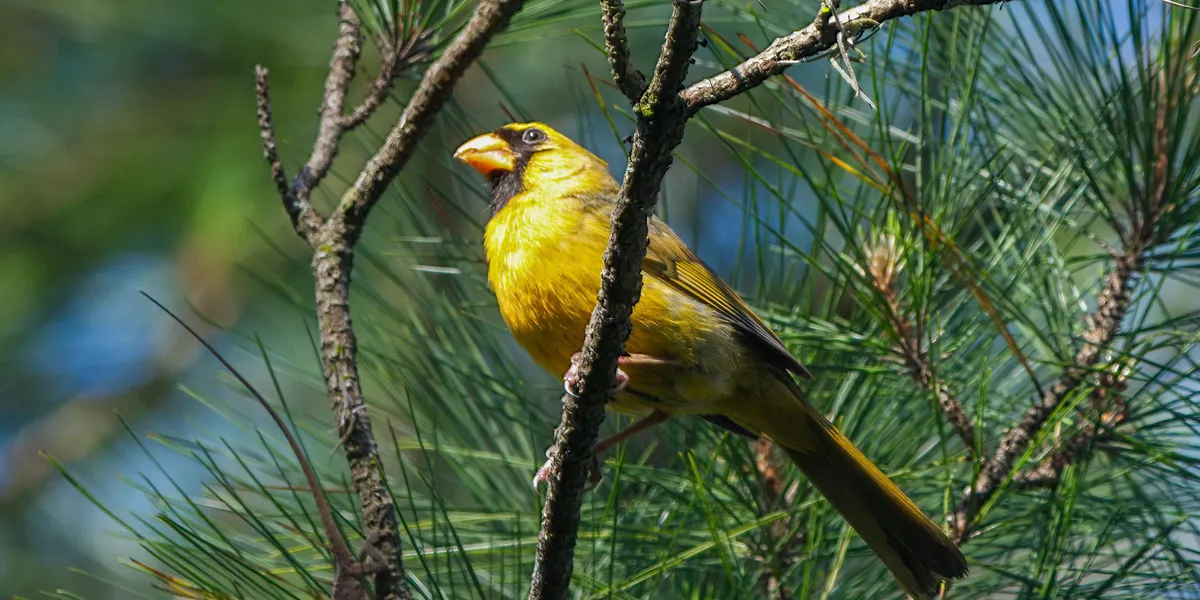
Humidity is one of those variables that sneaks up on you. The room feels fine to you, you're comfortable, nothing seems off, but your finches are telling a different story through their feathers, their energy, and the way they breathe. Once I started tracking relative humidity as seriously as I track temperature, everything about my indoor aviary got steadier.
The short answer: keep indoor finches between 45 and 55 percent relative humidity. Below 40 percent and you're heading into dry-air territory. Above 60 percent and mold, bacteria, and feather problems become real risks. The sections below cover how to recognize when humidity is off, how to fix it in either direction, and how to build a monitoring habit that makes the whole thing easy to maintain.
Warning Signs Your Humidity Is Off
Your birds will show you before the hygrometer does, if you know what to look for. Humidity problems show up differently depending on which direction things have drifted.
Signs humidity is too low (below 40%):
- Increased sneezing or faint wheezing at rest.
- Feathers looking dull, slightly rough, or out of alignment.
- More visible dander around the cage and nearby surfaces.
- Birds spending extra time near the water dish, as if seeking moisture.
- Dry, flaky skin visible around the feet or beak edges.
Signs humidity is too high (above 60%):
- A faintly musty or stale smell around the cage.
- Mold appearing on wooden perches, toys, or nest materials.
- Seeds spoiling faster than usual.
- Birds looking sluggish or fluffed in warm weather (a sign of discomfort).
- Damp-feeling fabric items inside or near the cage.
If you see a cluster of these signs, check the hygrometer before changing anything else. Chasing symptoms without knowing the actual humidity number just adds guesswork. This same principle applies to other environmental factors, including light: getting a baseline reading first makes every adjustment more precise. I find a similar approach works well when reading how lighting affects finch behavior.
The Ideal Humidity Range and How to Measure It
The 45 to 55 percent range works for most common indoor finch species under typical climate conditions. It supports healthy respiratory function, keeps feathers in good condition through all stages of growth, and doesn't create the damp environment that mold and mites favor.
A single digital hygrometer is fine to start. Two is better. Humidity levels vary across a room depending on cage placement, proximity to vents, windows, or sunlight, and airflow patterns you might not notice otherwise. Placing one near the cage and one on the opposite wall gives you a real average rather than a spot reading. Check both whenever you feed or change water, and you'll catch drift before it becomes a problem.
How to Raise Humidity When Air Gets Too Dry
Dry air is the more common problem in climate-controlled homes, especially during winter when heating strips moisture out of the air quickly. Several methods work, and they're easy to layer together when conditions are severe.
- Cool mist humidifier. Place it far enough from the cage that direct mist never settles on the birds or their perches. Point the output toward a wall or into open room space and let humidity distribute naturally. Clean the unit every two to three days and use distilled water to prevent mineral buildup.
- Shallow water dishes. Set small dishes of water around the room to allow slow evaporation. This raises humidity gradually without sudden spikes and gives birds extra bathing access as a side benefit.
- Finch bath routines. Offering baths during dry periods adds a small, useful humidity boost. The birds shake off water, it evaporates quickly, and the air softens slightly. Even a small contribution helps when the air is parched.
- Draft control. A leaky or drafty window lets cold, dry outside air in constantly. Sealing gaps or adding curtains traps indoor humidity and makes the whole system work more efficiently.
- Houseplants. Plants release moisture through their leaves and provide a gentle, continuous humidity source. Keep them well away from the cage to prevent any risk of birds accessing soil or leaves. If you're adding plants to the finch space, it's worth checking which species are safe to have nearby. There's a good overview of that in the guide on how to add plants to your finch habitat safely.
When running a humidifier, use it in timed intervals rather than continuously. Check the hygrometer and stop when you hit the upper end of your target range. Running it nonstop makes it too easy to overshoot into high-humidity territory, which creates its own problems.
How to Lower Humidity When Air Gets Too Damp
High indoor humidity happens seasonally in many climates, especially during summer months or in naturally humid regions. The good news is that you usually don't need a dehumidifier to manage it, and dehumidifiers can overshoot in the other direction if you're not careful.
- Increase airflow. A low-speed fan aimed away from the cage breaks up pockets of stagnant humid air near ceilings and corners. Air movement is your first and cheapest tool.
- Rotate moisture-retaining items. Fabric nesting materials, rope perches, and fuzzy toys hold dampness long after the air has improved. Swap these out or let them fully dry before putting them back when humidity is running high.
- Mind the kitchen and bathroom. Cooking, dishwashing, and showering all spike local humidity. Avoid placing the cage where it catches those plumes, and run exhaust fans in those rooms during and after use.
- Adjust bath frequency. When humidity is already high, offer smaller bath dishes instead of full baths. The water still evaporates, but the total volume added to the air is lower.
- Open windows strategically. On dry days, even brief ventilation helps. If outside air is drier than inside air, a short window opening can drop indoor humidity noticeably. Don't leave windows open in direct sunlight or during humid afternoons.
Good ventilation is one of the most underrated tools in the whole humidity toolkit. I've found it comes up as a common thread in broader room environment work, including when thinking through how to create a finch-safe room.
Seasonal Adjustments at a Glance
The challenge shifts depending on the time of year. Here's how I adjust my approach through the seasons:
- Winter. Indoor heating dries the air fast. Run a cool mist humidifier in intervals, add shallow water dishes, and seal drafty windows. Check the hygrometer more often as outdoor temperatures drop.
- Spring. Outdoor humidity rises and airflow from open windows can push indoor levels up. Start reducing humidifier use and watch for the early signs of excess moisture on wooden items.
- Summer. The most variable season. High outdoor humidity combines with indoor heat. Prioritize airflow, keep moisture-retaining items out of the cage, and stay alert to musty smells.
- Fall (molting season). Finches molting in fall need slightly higher ambient moisture to support feather regrowth. Aim for the upper end of the 45 to 55 range during active molts, and monitor closely as heating season approaches.
The key is that each season requires a slightly different default, not a single setting you lock in and forget. Rooms with multiple climate factors at play, like sound-dampening materials or heavy curtains used for acoustic control, can also affect how humidity behaves. If you've done any soundproofing work in your finch room, keep in mind it may trap moisture: how to soundproof a room for your singing finches covers materials that are easier to work with in that regard.
Cage Placement and Humidity Stability
Where you put the cage matters as much as any tool or technique. Poor placement creates humidity problems that no amount of adjustment can fully fix.
- Keep the cage away from heating and cooling vents. Direct airflow dries out the immediate environment around the cage far faster than the rest of the room.
- Avoid windows with full direct sunlight. Sunlight heats the space quickly, humidity swings widen, and overnight cooling creates a dry-air cycle.
- Elevate the cage slightly off the floor. Cool, dry air tends to settle low, so keeping the cage at a mid-height position helps birds avoid the driest part of the room's air column.
- Choose a stable interior wall over an exterior wall. Exterior walls experience more temperature variation, which creates more humidity drift.
- Keep the cage away from kitchens and bathrooms. Both rooms introduce humidity spikes that are difficult to predict or control.
Good placement is a one-time decision that pays off every day you don't have to compensate for it.
Building a Monitoring Routine
Humidity management only works reliably if you check consistently, not just when you notice a problem. The easiest approach is to tie hygrometer checks to something you already do every day.
- Check the hygrometer when you refill food and water in the morning.
- Note whether anything changed overnight, especially temperature swings from open windows or shifts in outdoor weather.
- Observe the birds during your morning check. Look at feather condition, posture, and activity level before evaluating the number.
- Make any adjustments, start or stop a humidifier, add or remove a water dish, open or close a window, before leaving the birds for the day.
- Do a quick visual check in the evening, especially during seasonal transitions when conditions change fastest.
This takes under two minutes once the habit is set. The birds do the rest of the work by showing you what their environment feels like. A finch with sleek feathers, active movement, and quiet regular breathing is telling you the humidity is right, more reliably than any single reading ever could.
FAQs: Humidity Control for Indoor Finches
Here are the questions I hear most often from people managing humidity for the first time:
What is the ideal humidity level for finches?
Between 45 and 55 percent relative humidity works well for most indoor finch species. Below 40 percent starts to cause respiratory dryness and feather problems. Above 60 percent creates conditions that favor mold and bacterial growth inside and around the cage.
Can I use a warm mist humidifier instead of cool mist?
Cool mist is the better choice around birds. Warm mist humidifiers create heat buildup and hot surfaces nearby, which adds unnecessary temperature risk. Cool mist models distribute humidity more evenly and are safer to run near a cage.
How often should I clean a humidifier I'm using near my finches?
Every two to three days is the right interval when running it regularly. Mineral deposits and bacterial growth in an uncleaned humidifier can be released into the air and actually harm the birds. Use distilled water to reduce buildup and make cleaning faster.
My hygrometer reads differently depending on where I put it, which reading should I trust?
Neither one alone. Position one hygrometer near the cage and one across the room and average the two readings. Humidity naturally varies across a space, so a single reading near the cage overstates or understates the real ambient level depending on local drafts, sunlight, or heat sources.
Steady Air, Healthy Birds
Humidity won't make a dramatic difference overnight the way a clean cage or a new diet might. The improvements are quieter: feathers that hold their sheen through the molt, breathing that stays smooth through winter, birds that don't show the early low-level stress of an environment that's just slightly off. Once I made humidity tracking a routine part of caring for my finches, I stopped chasing symptoms I couldn't place. That's usually how it goes with the variables that matter most.