
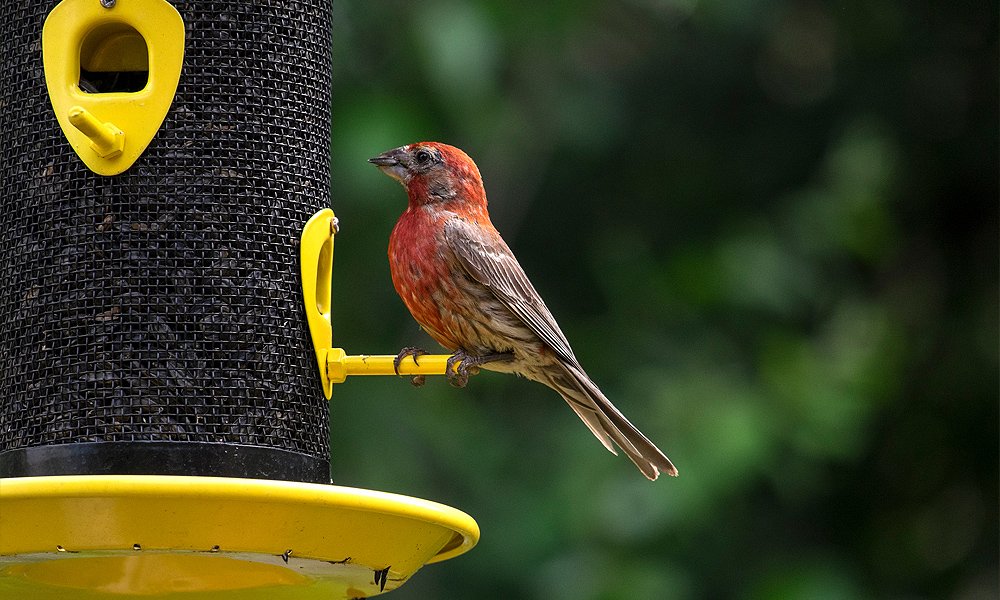
My birds had been on the same seed mix for months when I slid a small dish of chopped spinach into the cage for the first time. Every finch retreated to the far perch, eyeing it like it might move. Two days later, they were fighting over it. That gap between "suspicious" and "can't get enough" is the whole challenge of introducing fresh foods, and it's shorter than most people think once you know how to bridge it.
Fresh vegetables, leafy greens, and occasional fruit fill the nutritional gaps that a seed-only diet leaves open. Better feather quality, more stable energy, and stronger health over time are all connected to diet variety. The trick is introducing new foods to your finch in a way that feels safe rather than startling.
How to Introduce Fresh Foods to Your Finch, Step by Step
Work through this sequence and you'll get consistent results, even with the pickiest birds. Each step builds on the one before it, so don't skip ahead.
- Start with one food at a time. Pick a mild, soft option like chopped spinach, shredded carrot, or a small cucumber slice. One item keeps variables simple and lets you track what they accept.
- Place it alongside the seed mix, not in it. A separate small dish near their regular feeder is less threatening. They can investigate on their terms without the new food crowding out the familiar one.
- Keep the portion tiny. A teaspoon-sized amount is enough for a first offering. Big piles feel overwhelming to cautious birds and also spoil faster.
- Leave it for one to two hours, then remove it. Fresh produce wilts and breeds bacteria quickly. Pull anything uneaten before it starts to look or smell off.
- Offer the same food again the next day. Familiarity is the key driver here. Finches warm up to foods they see repeatedly, even before they taste them.
- Watch who tries it first. In a multi-bird cage, one bold individual usually leads. The rest follow once they see it's safe. Give the bold bird room to model the behavior.
- Expand variety slowly. Once they're eating the first food reliably, introduce a second. Build a rotating list of four to six options over a few weeks rather than flooding the cage with produce all at once.
The whole process typically takes one to three weeks from first offer to genuine enthusiasm. A few birds get there faster, a few take longer. Either is normal.
Prep Matters: How to Serve Fresh Foods Safely
How you prepare fresh food is just as important as what you choose. Finches have small, sensitive digestive systems, and a few simple steps prevent most problems.
- Wash everything. Pesticide residue and surface bacteria are real concerns. Rinse fruits and vegetables under cold running water before serving, even produce labeled organic.
- Cut it small. Pieces should be easy to grasp with a small beak. Thin shreds, fine chops, or bite-sized chunks work better than large chunks that feel unwieldy.
- Remove seeds from fruit. Apple seeds, cherry pits, and similar fruit seeds contain compounds harmful to birds. Always core and deseed before serving.
- Skip the seasonings. Plain is the rule. No salt, no oil, no sauces. What tastes good to you can be toxic to finches.
- Avoid produce from the dangerous list. Avocado, onion, garlic, and rhubarb are genuinely toxic to birds. If you're unsure whether a food is safe, check the full list of dangerous foods you should never feed finches before adding anything new.
Clean prep takes under a minute per feeding once it becomes habit, and it protects your birds from the most common fresh-food health problems.
Tips for Picky Finches
Some birds are genuinely resistant. They'll ignore new foods for days, push them out of the dish, or sit suspiciously nearby without ever touching them. These tactics shift the odds in your favor.
- Mix it into their seed. Scatter tiny pieces of the new food through their regular seed mix. They'll encounter it while eating what they already love and often taste it without really deciding to.
- Clip greens to the cage bars. Hanging a small piece of kale or romaine from the wire mimics natural foraging. It's more interesting than a dish sitting on the cage floor.
- Try a different temperature. Some finches respond better to room-temperature or slightly warmed food. Cold produce fresh from the refrigerator can feel unappetizing.
- Let a bolder bird lead. Social learning is real for finches. A flock member who samples something confidently signals safety to the rest. If you have a bold bird, put the new food near where it likes to forage.
- Rotate and come back. If they ignore broccoli for two weeks, pull it and try something else. Return to the rejected food in a month. Preferences shift as birds mature and as seasons change, and what they refused in spring they may eat happily in fall.
Picky finches are rarely hopeless. They usually just need more repetition, a different presentation, or a patient flock member to show them the way.
If They Still Won't Touch It
You've tried the steps above, offered the food multiple times, and your birds still act like the dish doesn't exist. Here's what usually explains it.
- The pieces are too large. Reduce the size further. What seems small to you can still feel daunting to a bird with a beak the size of a sunflower seed.
- You're offering too many options at once. Multiple new foods in the cage together creates confusion. Pull back to one item and stay with it.
- The food went off. Fresh produce left too long goes limp, smells different, and loses appeal. Make sure you're serving fresh pieces every time.
- The location is wrong. Birds are creatures of habit. If the dish is in an unfamiliar spot or one they associate with stress, they'll avoid it. Move the offering to a location near where they already feel comfortable.
- They're going through a molt. A finch in active molt is focused on feather production and often reduces food experimentation. Hold steady through the molt, then try again when it's complete.
- The diet needs a broader rebalance. Sometimes resistance to fresh foods signals that the overall diet is out of balance. A full picture of what a healthy finch diet looks like across all food groups can help you find what's missing. Check out how to nutritionally balance your finch's diet if this sounds familiar.
Give any single approach two full weeks before changing tactics. Consistency matters more than novelty when you're building new food habits in small birds.
What to Offer: A Starting Rotation
Not all produce works equally well. These are the foods that most finches accept and that deliver solid nutritional value across fruits, vegetables, and leafy greens.
- Leafy greens. Spinach, romaine lettuce, and kale are consistently popular. They're easy to chop or clip, high in vitamins, and soft enough for any size finch. For a full breakdown of safe and nutritious choices, the guide on best fruits and veggies for finches covers the full list.
- Vegetables. Shredded carrot, cucumber, sweet bell pepper, and fresh peas work well for most birds. Offer these as staples and rotate between them.
- Fruits. Apple slices (seeded and cored), blueberries, and melon chunks make excellent occasional treats. Fruit is higher in sugar, so keep portions small and infrequent.
- Sprouts. Sprouted seeds bridge the gap between familiar and fresh. They're easy to introduce because they smell like the seeds finches already know, and they're packed with nutrients.
Building a regular rotation across these categories gives your birds a varied diet without requiring you to introduce something brand new every week.
FAQs: Introducing Fresh Foods to Finches
Here are the questions I get most often when people are starting this process.
How long does it take for a finch to accept new food?
Most finches start showing interest within a week of consistent daily offerings. Accepting it confidently can take two to three weeks. Some stubborn individuals take longer, but regular exposure almost always wins them over eventually.
Can I give my finch fresh food every day?
Yes, and daily offering is actually ideal for leafy greens and vegetables. Fruit should stay occasional, two to three times a week at most, because of the sugar content. Remove anything uneaten after one to two hours to keep the cage clean and the food safe.
My finch eats the fresh food but their droppings changed. Is that normal?
Yes. Fresh produce contains significantly more water than seeds, and you'll notice wetter or looser droppings when they eat it regularly. That's expected and not a sign of illness. If droppings become extremely watery for more than a couple of days, reduce the portion and introduce the food more gradually.
Do I need to stop seeds entirely once they're eating fresh food?
No. Seeds remain a core part of the finch diet. Fresh foods supplement seeds rather than replace them. A healthy finch diet combines seeds, fresh vegetables and greens, and a protein source, all in appropriate proportions.
Should I introduce fresh foods differently for baby finches?
Young finches are often more open to new foods than adults, which makes early introduction a real advantage. That said, the same size and preparation rules apply. For specifics on feeding younger birds, see how to feed baby finches the right way.
Patience Is the Main Ingredient
Getting finches to embrace fresh foods isn't complicated, but it does require showing up consistently. Offer something every day, keep the pieces small and the prep clean, let the bolder birds lead, and pull anything uneaten before it spoils. The first real nibble always feels like a small victory. The payoff is birds that are more engaged, better nourished, and visibly healthier over time.