
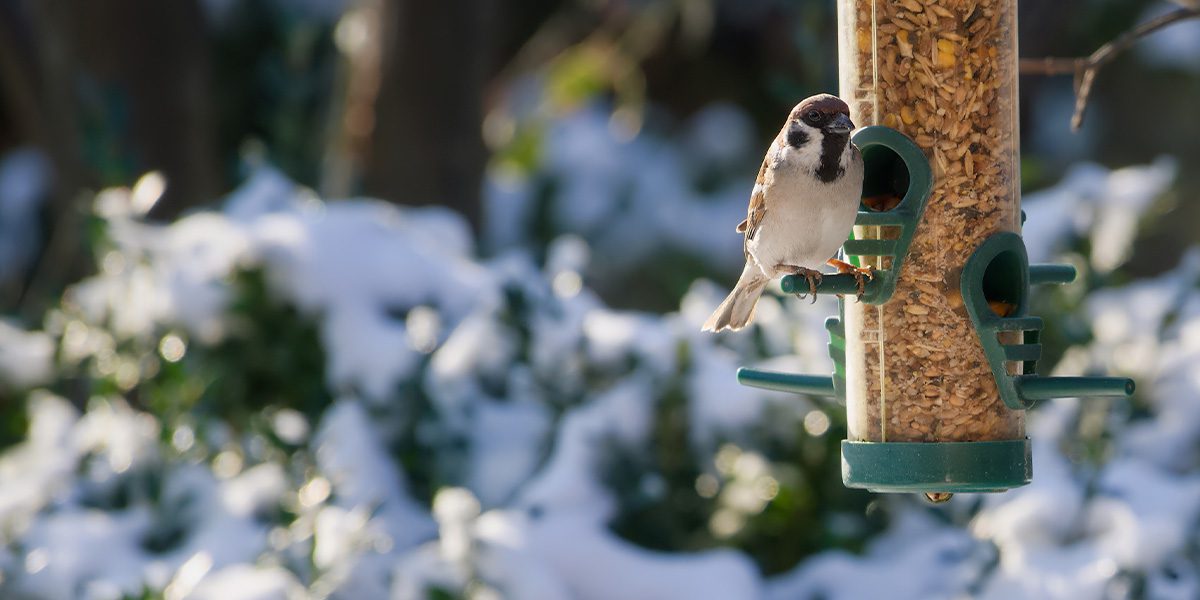
My finches figured out fresh food faster than I expected. The first morning I dropped a pinch of shredded carrot into the dish, two of them were on it before I stepped away from the cage. Seeds are still the foundation of what they eat, but produce is where you see the real difference: brighter feathers, steadier energy, more chatter. If you're wondering what the best food for finches actually looks like on a practical level, this is the list I keep coming back to.
Best Fruits for Finches
Fruit brings hydration, natural sugar for quick energy, and antioxidants. Keep portions small, a few pieces per bird a couple of times a week, since the sugar content adds up fast. These are the ones my birds reliably eat and that are well-tolerated by pet finches generally:
- Apple (seedless). Chop into tiny cubes and remove every seed. Seeds contain trace cyanide compounds, so this step is non-negotiable.
- Pear. Softer than apple and accepted quickly, even by picky birds. Same rule: no seeds.
- Blueberries. Halve them so the birds can manage the pieces. High in antioxidants and easy to prep.
- Raspberries and blackberries. Break into small fragments before offering. The vivid color tends to draw curious finches right away.
- Strawberries. Mash lightly so birds can grab fragments rather than wrestling with a whole slice.
- Mango and papaya. Occasional treats. Both provide beneficial enzymes and extra moisture, which is helpful in warm months.
- Melon (cantaloupe or honeydew). Remove seeds and offer a small spoonful. High water content makes this good for hydration.
- Banana. Soft and appealing, but dense. A thin slice mashed to a crumbly texture is plenty for a pair.
Fruit is a supplement, not a staple. A dish the size of a bottle cap is enough for two birds. Rotate through the list so they get variety without overloading on sugar from any single item.
Best Vegetables for Finches
Vegetables are where the real nutritional work happens. They supply vitamin A, vitamin C, calcium, and fiber, filling the gaps that seeds leave. Most of my birds eat veggies more willingly than fruit once they get used to seeing them. These are the ones worth keeping in regular rotation:
- Leafy greens. Romaine lettuce, kale, spinach (in moderation due to oxalates), Swiss chard, dandelion greens, and beet greens all work well. Chop finely and remove thick stems.
- Grated carrot. One of the easiest options. Grate it fine, mix it with a bit of millet to encourage timid birds, and watch them go at it. Rich in vitamin A.
- Sweet potato. Bake until soft, mash a small amount, and let it cool completely. Dense and nutritious; a teaspoon goes a long way.
- Bell pepper (red or orange). Excellent vitamin C content. Remove seeds, chop into tiny squares. The crunch appeals to birds that ignore softer foods.
- Peas. Straight from the pod or lightly thawed from frozen, served at room temperature. Easy to handle and widely accepted.
- Corn kernels. A small portion of plain cooked corn is fine. Avoid anything canned with salt or seasoning.
- Green beans. Chop finely so the texture isn't off-putting. A good filler when other options aren't available.
- Broccoli and cauliflower. Chop very fine. The tight floret texture can intimidate birds if the pieces are too large.
- Cucumber. High water content makes it good in warm weather. Slice thin and remove seeds.
Aim for vegetables three to four times a week. Mix grated carrot or finely chopped greens into their seed blend to ease picky birds into the habit. A properly balanced finch diet treats vegetables as a regular feature, not an occasional bonus.
Fruits and Veggies to Offer Sparingly
A few items are safe but come with caveats. Give them occasionally and watch for any digestive reaction:
- Spinach. Nutritious but high in oxalic acid, which can interfere with calcium absorption over time. Fine a couple of times a week, not every day.
- Corn. Starchy and filling. A small amount is fine but easy to overdo.
- Banana. Dense and high in sugar. Thin slices once a week, maximum.
- Tomato (flesh only). The fruit itself is mostly safe in small amounts, but seeds and green parts contain solanine, a mildly irritating compound. Strip those out completely and offer rarely.
If you ever notice loose droppings after introducing one of these, pull it from the rotation and reintroduce later in a smaller amount.
Foods to Avoid Entirely
Some items are dangerous to finches regardless of portion size. These never belong near the cage:
- Avocado. Toxic to birds. All parts, including the flesh, contain persin.
- Onion, garlic, and scallions. Cause red blood cell damage even in small amounts.
- Rhubarb. High oxalic acid content. Not safe at any dose.
- Citrus fruits. Oranges, lemons, limes, and grapefruit irritate the digestive tract. Skip them entirely.
- Anything seasoned, salted, or cooked with oil. Human cooking is not safe for small birds.
The full picture of what to keep away from your birds is worth knowing in detail. Dangerous foods for finches go well beyond produce, covering common kitchen items that look harmless but aren't.
How to Prep and Serve Fresh Produce
Preparation is where a lot of people slip up. The food itself can be fine, but poor prep introduces bacteria, pesticide residue, or pieces too large for finches to handle. Here's the sequence I follow every time:
- Wash everything thoroughly. Even organic produce gets rinsed. Pesticide residue and fine soil cling to leafy greens and fruit skin.
- Chop to appropriate size. Finches don't tear food the way parrots do. Every piece needs to be small enough to swallow in one or two pecks.
- Remove seeds, pits, and stems. Apple seeds, pear seeds, cherry pits, and tough stems all need to go before anything hits the dish.
- Cool cooked items completely. Sweet potato and corn should be at room temperature before serving, not warm from the pan.
- Serve in the morning. Finches are most active and curious early in the day. Fresh food offered at morning feeding gets the most engagement.
- Remove leftovers within two hours. Fresh produce spoils quickly at cage temperature. Leaving it longer invites bacterial growth and can make birds sick.
One thing I avoid: blending produce into a wet paste. When it dries on feathers or cage surfaces, the fine particles can cause respiratory irritation. Stick with chopped pieces that hold their shape.
How to Introduce New Foods
Even birds that eat well can be slow to accept something unfamiliar. Finches are cautious about new textures and colors, and rejecting a food on first offer doesn't mean it's rejected forever.
- Pair new with familiar. Mix grated carrot with a bit of millet, or tuck a new green into a dish of food they already like. The familiar smell lowers the barrier.
- Introduce one thing at a time. Adding multiple new items at once makes it impossible to tell which one they rejected or which caused a reaction.
- Repeat the offer. If they ignore it today, try again in a few days in a slightly different form. Smaller pieces, a different texture, or a different position in the dish can change the response.
- Don't force it. A food they never accept isn't worth stressing them over. There are enough safe options to rotate without fixating on one.
Patience is the whole strategy here. Introducing fresh foods to your finch covers the process in more depth, including how to handle birds that are especially resistant to anything new.
How Fresh Food Fits Into the Broader Diet
Produce doesn't replace seeds. For most pet finches, a quality seed blend remains the dietary foundation, and fresh foods supplement what seeds can't deliver: vitamin A, vitamin C, hydration, and fiber. I mix small amounts of grated carrot or chopped greens directly into the seed dish a few times a week, which helps even reluctant birds encounter the new food without having to approach a separate dish.
Millet works especially well as a bridge. Scatter a pinch into any fresh food dish and birds that hesitate to approach unfamiliar items will still investigate. Over time they start eating the produce alongside it without needing the millet cue. If you're still working out the balance between seeds and other components, seed vs. pellets for finches is worth reading before you finalize the rotation.
FAQs: Best Food for Finches
Here are the questions I hear most often about feeding fresh produce to finches:
How often should I give my finch fruits and vegetables?
Vegetables three to four times a week, fruits once or twice. Keep portions small, roughly a bottle-cap-sized dish per pair. Daily fresh food is fine if the amounts stay moderate and leftovers are removed promptly.
My finch won't touch any fresh food. What do I do?
Mix a small amount of the new food into their existing seed blend so they encounter it gradually. Try grated carrot first since the texture and smell tend to be the least threatening. Repeat the offer every few days before concluding they don't like something.
Can finches eat citrus fruits like oranges or lemons?
It's best to skip citrus entirely. The acidity irritates the digestive tract in small birds, and there are plenty of safer alternatives that deliver vitamin C without the risk. Red bell pepper is an easy substitute with excellent vitamin C content.
What's the single best vegetable to start with?
Grated carrot. It's inexpensive, easy to prepare, widely accepted by finches, and rich in vitamin A, which is the nutrient most likely missing from a seed-heavy diet. Start there and build out from it.
Fresh Food Is Worth the Habit
The birds in my aviary that eat the widest variety of produce have the best feather condition and the most consistent energy. It takes a few minutes of prep and a short cleanup window, but the payoff shows up in ways you notice daily. Start with grated carrot and a few leafy greens, rotate through the safe list as the birds get comfortable, and remove leftovers on time. Those three habits cover most of what matters.