
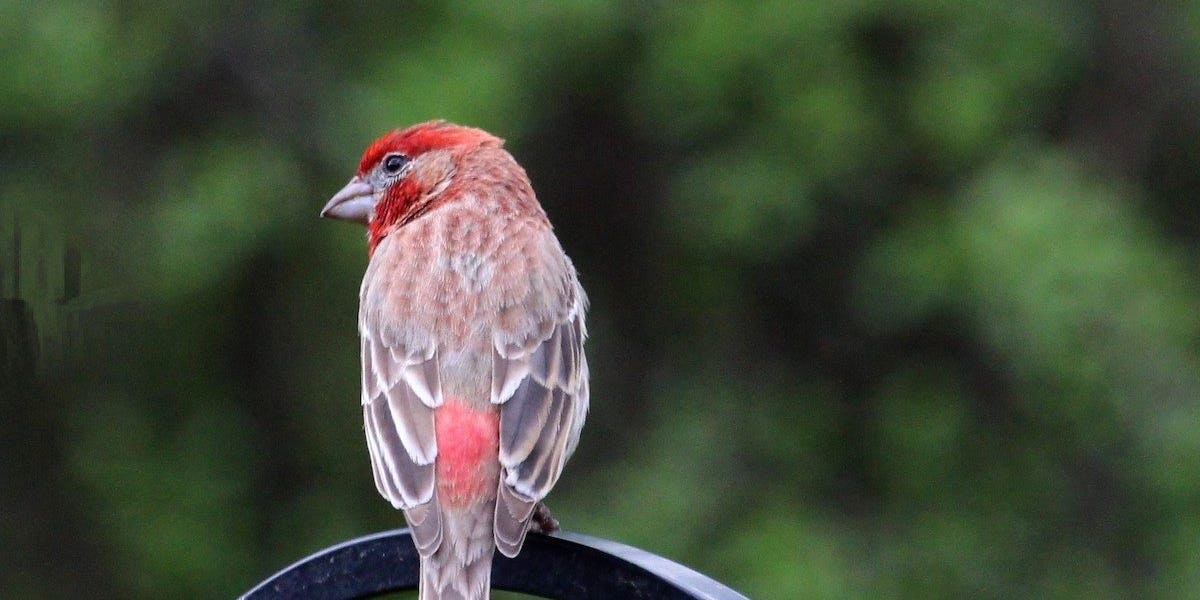
The short answer is no, and in most cases it's illegal to even try. Wild finches in the United States and most other countries are protected under federal and state wildlife laws, which means capturing, possessing, or attempting to tame one isn't just inadvisable, it's a criminal offense. But the legal side is only part of the story. Even if the laws didn't exist, wild finches make genuinely poor pets, and understanding why gets at something interesting about how these birds are built.
The Legal Reality: What the Laws Actually Say
Before anything else, it's worth being clear about where the law stands. Most people don't realize how firm these protections are until they're already in trouble.
- Migratory Bird Treaty Act (MBTA). In the United States, this federal law prohibits capturing, possessing, transporting, or harming most native wild bird species, including the majority of wild finch species found across North America. Violations carry fines and potential jail time.
- State wildlife regulations. Individual states layer additional protections on top of federal law, and penalties vary. Some states treat unlawful possession of wild birds as a misdemeanor; others treat it as a felony depending on the species and circumstances.
- Protected species lists. Species like the Purple Finch, House Finch, and many sparrows fall under these protections. Even common-looking backyard birds are typically covered.
- Permit exceptions. The only legal exceptions are for licensed wildlife rehabilitators, researchers, and conservation programs. These permits are not available to casual pet owners and exist strictly for the bird's welfare, not for permanent keeping.
- International rules. Outside the U.S., similar restrictions apply in the UK, EU, Canada, and Australia. Importing or exporting wild-caught birds across borders is regulated by CITES, the international wildlife trade treaty.
If you find an injured wild finch, the right move is to contact a licensed wildlife rehabilitator, not to bring it home. Rehab centers have the equipment, diet knowledge, and legal standing to care for the bird properly until it can be released.
Why Wild Finches Struggle in Captivity
Set aside the legal question for a moment. Even in a world with no laws against it, keeping a wild finch rarely goes well for the bird. The biological and behavioral gap between a wild-caught bird and a captive-bred one is enormous.
- Hardwired stress response. Wild finches are prey animals operating on constant alert. Confinement activates a prolonged stress response, elevating cortisol in ways that suppress the immune system, damage feathers, and disrupt digestion. Unlike captive-bred finches that habituate to cages, wild birds often never truly settle.
- No exposure to human presence. Captive-bred species like zebra finches and society finches are bred across dozens of generations for tolerance of humans. Wild birds arrive with zero conditioning and treat every person as a predator.
- Injury from escape attempts. In the first hours and days, wild finches frequently injure themselves flying into cage walls, mesh, or glass. They don't understand barriers the way domesticated birds do.
- Diet mismatch. Wild finches forage for a variety of seeds, insects, and fresh plant matter across large territories. Replicating that diet indoors is extremely difficult, and a poor diet leads to fast health decline.
- Loss of natural behaviors. Foraging, flock communication, and territorial flight are central to a wild finch's daily life. These behaviors don't transfer to a cage. The result is a restless, frustrated bird, not a content one.
- Taming rarely works. Unlike parrots or certain softbills, finches are not wired for close handling. Even captive-bred finches rarely become "hand birds." Wild ones almost never do, and extended taming attempts simply prolong their distress.
Rehabilitation workers who handle wild finches describe the same outcome again and again: even birds that stop panicking aren't adapting. They've simply exhausted themselves. That's not the same as being comfortable, and it's not a foundation for a healthy pet relationship.
Disease Risks Worth Knowing
Wild finches carry pathogens that captive-bred birds often have no immunity to, and the reverse is also true. Introducing a wild bird into a home aviary creates genuine health risks on both sides.
Common concerns include external parasites like mites and lice, internal worms, and respiratory infections from bacteria and fungi that thrive in outdoor environments. Avian diseases can move through a flock quickly, and treatment isn't always successful. Even a thorough quarantine period reduces but doesn't eliminate the risk, because some pathogens have long incubation windows.
The disease risk runs the other direction too. A wild finch with no exposure to domestic pathogens is highly vulnerable to infections that captive birds carry without showing symptoms.
The Ethical Side
Wildlife laws exist because individual decisions add up. When dozens of people each decide that "just one bird" from the wild doesn't matter, the collective impact on local populations is real. Finch flocks are social structures, and removing birds disrupts breeding pairs, flock dynamics, and territorial balances that took years to form. This is part of why ethical questions around finch breeding and ownership go deeper than they first appear.
It's also worth thinking about what the bird's life looks like. Wild finches cover large territories, engage in complex flock communication, and live according to seasonal rhythms that influence everything from diet to migration timing. Understanding how far wild finches actually travel puts their space needs in perspective. A cage is not a suitable substitute, no matter how large or well-decorated.
What to Keep Instead
If you're drawn to finches specifically, the good news is that the captive-bred options are genuinely excellent. They offer the same songs, colors, and active behavior that make wild finches so appealing, without the stress, legal risk, or welfare concerns.
- Zebra finches. The most widely kept pet finch species, hardy, relatively affordable, and adaptable to a range of home environments. Males are vocal and entertaining.
- Society finches (Bengalese finches). Calm, social, and excellent for beginners. They tolerate handling better than most finch species and are reliably easy to breed.
- Gouldian finches. More demanding in terms of diet and temperature, but strikingly beautiful and rewarding for keepers who put in the research first.
- Owl finches and shaft-tails. Lesser-known species that do well in mixed aviaries and have interesting personalities once settled.
All of these species come from reputable breeders, are captive-bred across many generations, and are fully legal to keep. They're available at specialist bird shops and through dedicated finch breeders who can advise on diet, housing, and setup. If you're wondering whether you can keep multiple finch species together, that's a worthwhile question to explore once you've settled on your birds.
One thing worth knowing before you set up a cage: finches are social birds and generally do much better in pairs or small groups than alone. Their behavior, vocalization, and overall health all improve with appropriate companionship. And if you want to understand more about why different captive species behave differently, it helps to read up on how finch species adapt to different environments, which explains a lot about why some are easier to keep than others.
FAQs: Wild Finches as Pets
Here are the questions I hear most often on this topic.
Is it illegal to keep a wild finch in the United States?
Yes, for virtually all native species. The Migratory Bird Treaty Act covers most wild finches found across North America, and possession without a federal permit is a federal offense. State laws add additional layers of protection in many cases.
What if I found an injured wild finch?
Contact a licensed wildlife rehabilitator in your area rather than attempting to care for the bird yourself. Keeping an injured wild bird at home without a permit is still illegal in most states, and rehabilitators have the proper diet, housing, and expertise to give the bird the best chance of recovery and release.
Can a wild finch ever be tamed?
Rarely, and usually not in any meaningful way. Wild finches aren't wired for human interaction the way domesticated species are. A bird that stops fleeing isn't tame, it's exhausted. The stress involved causes real, lasting health damage. Captive-bred zebra finches and society finches offer a far better experience for both the bird and the keeper.
What happens if I release a wild finch after keeping it for a while?
The outcome is often poor. A wild bird held in captivity even briefly can lose foraging instincts, forget predator-avoidance behaviors, and struggle to rejoin its original flock. Releasing a captive-bred finch into the wild is even more dangerous, since those birds have no survival skills at all outside a cage.
The Bottom Line
Wild finches belong in the wild. That's not a sentiment, it's a biological fact, a legal reality, and the most practical conclusion after looking at how wild-caught birds actually fare in captivity. The birds are stressed, the legal risk is real, and the outcome for the bird is almost always negative. Captive-bred finches, on the other hand, are genuinely wonderful to keep. They're healthy, legal, and bred for exactly the kind of life you can offer them.