
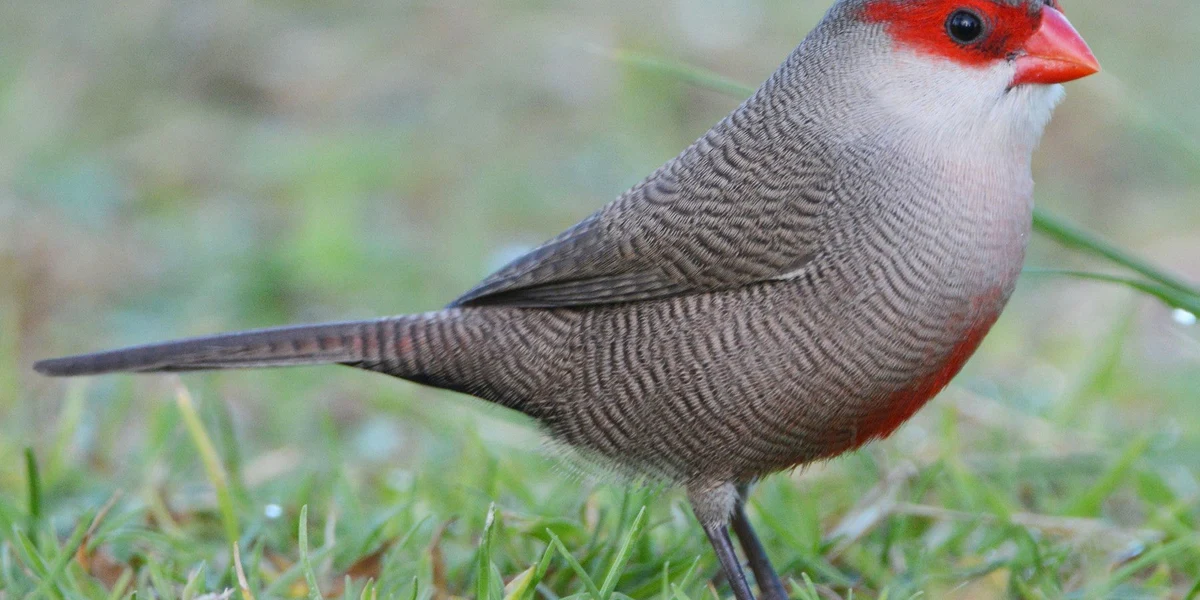
Finches need companions. That's the short answer, and it holds for nearly every pet finch species kept at home. These birds are wired for flock life. They sleep better, eat more confidently, and show visibly richer behavior when they share a cage with at least one other bird. A solitary finch can technically survive, but "surviving" and "thriving" look very different once you know what a happy finch actually looks like.
That said, the long answer has some nuance. Species preferences vary, pair compatibility matters, and there are situations where a finch has to live alone temporarily. Here's what I've learned about finch companionship after keeping them for years, and what you actually need to know before adding a second bird to your setup.
Solo vs. Paired: What Changes
The difference between a single finch and a paired finch is hard to miss once you've seen both. Here's how the two situations typically compare:
- Vocalization. Paired finches call back and forth constantly. A solo bird may go quiet or produce repetitive, one-sided chirps that signal anxiety rather than contentment.
- Activity level. Two finches move more. They chase each other across the cage, explore together, and stay engaged. A lone finch tends to sit on the same perch for long stretches.
- Feeding confidence. Finches eat more readily when another bird is present. Eating with company is part of their natural flock behavior, and solo birds sometimes eat less or hesitate.
- Sleep patterns. A paired finch settles into a calm nightly rest routine. Solo finches can be more alert and restless, scanning their environment because they lack the reassurance a flock provides.
- Preening. Mutual preening is one of the clearest signs of a bonded pair. It maintains feather health and deepens trust in a way no amount of human interaction can replicate.
You don't have to watch them long to understand why companionship is the rule, not the exception, for pet finches.
Signs Your Finch May Be Lonely
A solo finch won't tell you it's struggling in obvious ways. The signals tend to be subtle, and it's easy to mistake them for a calm bird when they're actually signs of stress. Watch for these:
- Excessive calling with no response. A finch crying out repeatedly into silence is searching for company, not just being vocal.
- Repetitive movement. Pacing back and forth on a perch, or bobbing in a fixed pattern, often reflects boredom and social deprivation.
- Feather condition declining. A lonely or stressed finch may over-preen or under-preen, and feather quality can suffer without the grooming support of a cage-mate.
- Loss of appetite. A finch that picks at food rather than eating normally may be responding to social stress rather than a health issue.
- Clinging to the cage bars. This can signal anxiety, often caused by the absence of nearby birds.
- Unusual silence. A finch that suddenly goes quiet, especially after losing a companion, is often in emotional distress. This overlap with general stress is worth checking against the broader signs your finch is stressed.
If you're seeing two or more of these, your finch is telling you something. Companionship is usually the fix.
What Species You're Keeping Matters
Not every finch has identical social preferences, and matching the environment to your species makes a difference.
- Zebra finches are the most social of the common pet finch species. A zebra finch kept alone is almost always worse off. They do best in pairs or small groups and bond closely with their cage-mates.
- Society finches (also called Bengalese finches) thrive in groups. They're so social they'll often assist other pairs in raising chicks. A single society finch is genuinely unhappy.
- Gouldian finches are social but more sensitive to stress. They benefit from company, but they need calm environments and birds of similar temperament nearby.
- Canaries are the notable exception. Male canaries are territorial and should not be kept together. A single canary does reasonably well alone, and two males in the same cage will fight. Females can sometimes cohabit peacefully.
If you're keeping zebra or society finches, a companion is close to non-negotiable. For other species, the same principle applies with some species-specific adjustments.
How to Introduce a New Companion
Pairing finches is not as simple as dropping a second bird into the cage. A rushed introduction can trigger aggression, stress both birds, and make them harder to pair later. Take it slowly and give the process room to breathe.
- Quarantine the new bird first. Keep it in a separate cage for at least two weeks, away from your existing birds. This protects your current finch from illness and gives the newcomer time to settle and decompress.
- Place the cages side by side. Once quarantine is done, put the cages next to each other so the birds can see and hear each other without direct contact. Let them vocalize back and forth for several days.
- Watch for positive signals. Birds that chirp toward each other, perch near the shared wall, and show relaxed body posture are ready to move forward. Puffed feathers and aggressive displays mean more time is needed.
- Do a neutral-space introduction. Before combining into a permanent cage, try putting both birds in a third cage neither has claimed. This reduces territorial aggression significantly.
- Expand the setup to fit two birds. Make sure there are multiple perches at different heights, at least two feeding stations, and enough room for short flights. A cramped cage with two finches leads to conflict fast.
- Monitor the first two weeks closely. Gentle chasing and brief chirping disputes are normal. Persistent aggression, one bird blocking the other from food, or feather pulling are signs to separate and slow down.
The extra time you spend on this process pays off. A well-matched pair is one of the most enjoyable things to watch, and they'll reward a careful introduction with years of calm, lively companionship.
When a Finch Has to Live Alone
There are real situations where a finch can't have a companion, at least temporarily. Illness and injury are the most common. A sick finch should be separated to protect cage-mates and to give it a quieter recovery environment. Aggressive behavior, especially in a new pairing that isn't working, may also require a break.
During any solo period, a few things help reduce the isolation impact. Place the cage where the finch can still hear other birds, even from a distance. Maintain a very consistent feeding and lighting routine. Add variety to the environment with a few toys and fresh branches so there's something to explore. And once the reason for isolation is resolved, reintroduce slowly using the same process above.
If you're also thinking about how much freedom your finch should have outside the cage, the same cautious approach applies. Learning whether finches can fly free in your home and how to do it safely connects directly to how secure and confident your bird feels in its environment generally.
Cage Size for Pairs and Groups
Adding a companion means rethinking the cage setup. A cage that works for one finch is usually too small for two.
- For a pair, aim for a cage at least 24 inches wide to allow short flights and genuine separation when the birds want space from each other.
- Add perches of different sizes and materials at different heights. Finches spend most of their time on perches, and variety reduces competition.
- Two food stations and two water sources prevent one bird from guarding resources and blocking the other.
- If you're keeping a group of three or more, or if you're managing an aviary setup, horizontal space matters more than height. Finches fly across, not up and down.
The space question is closely linked to safety. A well-sized, well-arranged cage reduces conflict and makes it far easier for birds to coexist peacefully. If one finch escapes during a cage rearrangement, knowing what to do when a finch escapes is a helpful backup plan to have ready.
FAQs: Finch Companionship
Here are quick answers to the companion questions that come up most often:
Can a single finch be happy?
A single finch can adapt, but it's unlikely to thrive the way a paired finch does. The signs of loneliness listed above are common in solo birds, and most finch species are genuinely better off with at least one cage-mate. The canary is the main exception to this rule.
Can I keep male and female finches together without them breeding?
Not reliably. A bonded male and female pair will almost always attempt to breed if conditions allow it. If you want companionship without breeding, two females or two males (in a species where males coexist peacefully, like zebra finches with enough space) is usually a better combination.
How many finches can share one cage?
For most pet finch setups, two to four birds in a suitably sized cage works well. Beyond that, you're moving into aviary territory and need proportionally more space. More birds means more noise, more cleaning, and a greater need to watch for conflict, but it also creates a livelier and more natural-feeling environment.
Will my finch bond with me instead of needing another bird?
Finches do become comfortable with their owners and recognize familiar people, but they aren't built for human-focused bonding the way parrots are. Human presence is reassuring, but it doesn't meet their social needs the way another finch does. They need bird-to-bird communication, preening, synchronized movement, and the safety cues that only flock behavior provides.
The Bottom Line
For nearly every finch you'll keep as a pet, companionship is not optional, it's foundational. These are flock animals with instincts built around shared life. A companion finch gives them the preening partner, the call-and-response vocalizations, the feeding confidence, and the sense of security that makes a finch genuinely content. Getting the introduction right takes some patience, but a well-matched pair is one of the most rewarding things in the hobby. Once you see two bonded birds at rest together on the same perch, you'll understand why the answer to this question is almost always "yes, get them a companion."