
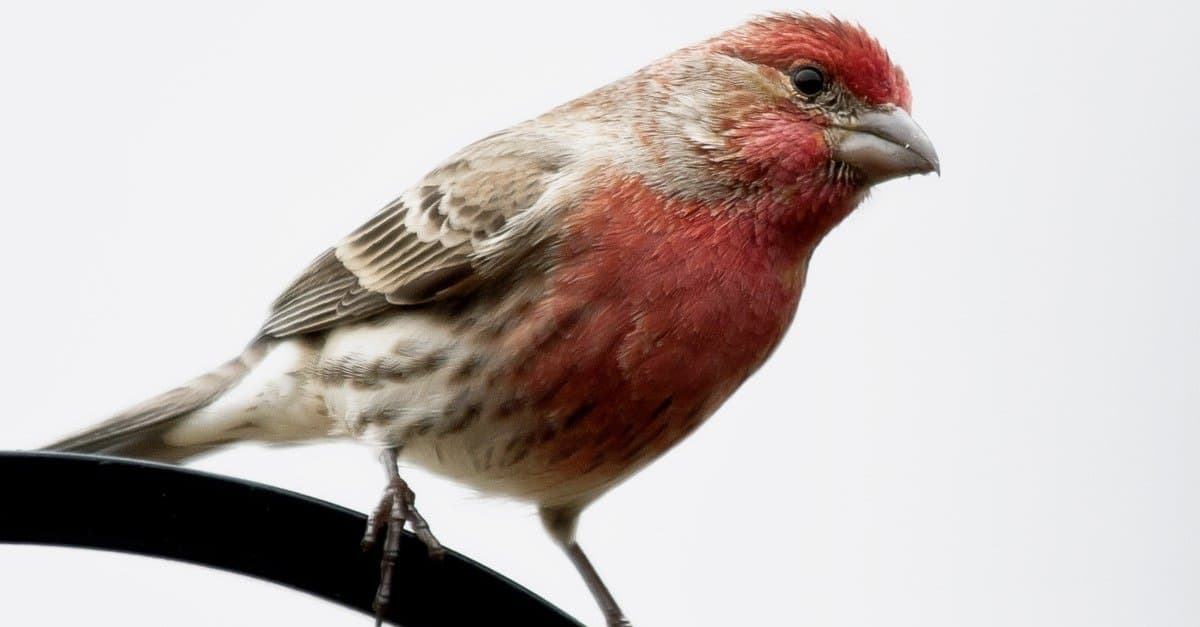
Pick up a field guide and flip through the range maps for finches. You'll find them everywhere: scorching Sonoran desert, frigid Alaskan spruce forest, steamy Amazon edge habitat, windswept Galápagos islands. That geographic spread isn't luck. It's the result of natural selection quietly reshaping each population over thousands of generations until the birds fit their environment as neatly as a key fits a lock. I've spent a lot of time studying how finch species adapt to different climates, and the more I learn, the more it changes how I set up my own aviaries. The wild adaptations translate directly into what these birds need in captivity.
This post walks through the main climate types where finches thrive and the specific physical, behavioral, and dietary adaptations that make survival possible in each one. Darwin's finches on the Galápagos islands are the most famous example of rapid adaptation, but the same forces are at work in every finch population on earth.
What Drives Finch Adaptation in the First Place
Before diving into climates, it helps to understand the mechanism. Natural selection is the engine. Individuals with traits better suited to local conditions survive longer and raise more young, passing those traits forward. Over many generations, the whole population shifts. Researchers like Peter and Rosemary Grant spent decades on Daphne Major, one of the smaller Galápagos islands, documenting exactly this process in real time. During drought years, when only large, hard seeds remained, ground finches with bigger beaks survived in greater numbers. When rains returned and small seeds came back, smaller-beaked birds recovered.
That's natural selection visible within a human lifetime. The same logic applies to body shape, plumage color, nesting behavior, and song. Each trait is a response to a specific climate pressure.
Desert and Arid Climate Adaptations
Desert finches deal with heat, scarce water, unpredictable food, and intense sun. Their adaptations cluster around staying cool and conserving moisture. Here's what sets them apart from finches in other climates:
- Sleeker body shape. Reduced fat and a more streamlined profile help release body heat. This is the opposite of cold-climate birds, which pack on insulation.
- Pale or sandy plumage. Lighter feathers reflect sunlight rather than absorbing it, keeping core temperature lower during peak heat hours.
- Strong, heavy beaks. Desert food sources are often dry and hard: tough seeds, dried fruits, hard-cased insects. Ground finches in arid regions develop thick beaks capable of cracking seeds that softer-beaked species can't access.
- Crepuscular activity patterns. Most feeding happens in the cooler early morning and late afternoon. The hottest midday hours are spent in shade, motionless, conserving energy.
- Efficient water metabolism. Desert finches extract more moisture from dry food and lose less water through respiration than species from wetter habitats.
- Flocking at water sources. Where water exists, desert finches congregate in groups. Safety in numbers reduces predation risk during the vulnerable minutes spent drinking.
In captivity, desert-adapted species like the Zebra Finch do best in warm, dry setups with low humidity. They tolerate heat well and appreciate a shallow bath more than a misting system.
Cold and Mountain Climate Adaptations
High-altitude finches and those living in northern temperate or boreal zones face a different set of problems: cold temperatures, short growing seasons, and winter food scarcity. Their adaptations are essentially the mirror image of their desert counterparts.
- Rounder, denser body shape. A rounder form reduces surface area relative to volume, which slows heat loss. This is the same principle behind why Arctic mammals tend to be larger and rounder than tropical relatives.
- Thicker, denser plumage. More feathers, and feathers with better insulating structure, trap warm air close to the skin. Mountain finches often look noticeably fluffier in winter.
- Darker plumage in some species. Darker feathers absorb more solar radiation, giving birds a small but real warming benefit during cold, sunny days.
- Larger lungs and efficient oxygen use. High-altitude finches have physiological adaptations for thinner air. Their lungs process oxygen more efficiently than low-elevation birds of the same size.
- Seed-cracking beaks built for winter survival. When insects and soft foods disappear, seeds are what remain. Cold-climate finches often develop thick, strong beaks capable of processing the tough seeds available in frozen landscapes.
- Fat storage before winter. Many species bulk up in late summer and fall, building fat reserves that sustain them through periods of scarcity. The same birds are noticeably heavier in October than in June.
- Migratory flexibility. Some cold-climate species, like the American Goldfinch, shift southward when food runs out rather than staying in place. This is an adaptation in itself: the ability to move beats starving.
If you keep species from cooler climates, like Siskins or certain Bullfinches, a slightly cooler aviary with energy-dense seeds during winter months mimics what they've evolved to expect. You can read more about how migration factors into wild finch survival to understand when and why certain species move.
Tropical and Humid Climate Adaptations
Tropical finches have a different problem than desert or cold-climate birds: not scarcity, but abundance mixed with competition. Food is diverse and available year-round, but so are competitors and predators. Their adaptations reflect a life of relative plenty tempered by constant threat.
- Slender, precise beaks. Soft seeds, insects, and fruits dominate tropical diets. Narrow, pointed beaks allow fast, accurate feeding across many food types.
- Elaborate plumage for mate selection. When survival pressure eases, sexual selection steps in. Tropical species like the Gouldian Finch evolved vivid color combinations that signal genetic quality to potential mates.
- Ventilated nest designs. Tropical nests are loose, airy structures that prevent overheating. Dense insulation would cook eggs in a humid, warm environment.
- Rain-shedding nest placement. Many tropical species build under dense canopy cover or use materials that drain quickly. Wet nests invite mold and bacteria that can kill chicks.
- Multiple breeding cycles per year. Long, stable warm seasons mean tropical finches can raise several broods annually, which compensates for higher predation pressure.
- Complex, layered songs. In dense forest, simple calls get lost in foliage. Tropical finches evolved richer, more complex vocalizations that bounce and carry through vegetation. Understanding how to identify finch species by their song gives you a window into these habitat-specific vocal strategies.
Tropical species in captivity thrive with higher humidity, varied fresh foods, and more spacious flight paths. A cramped cage suppresses the exploration instinct that drives their foraging behavior in the wild.
Island and Isolated Habitat Adaptations
Islands are where finch adaptation gets extreme. The Galápagos islands gave us Darwin's finches, roughly 18 species that descended from a single South America ancestor that arrived perhaps two to three million years ago. With no competition from other bird families, finches filled ecological roles normally occupied by woodpeckers, warblers, and others. The result was rapid divergence in beak shape, body size, and behavior.
Each island species adapted to its specific food source. The key beak types that emerged across Galápagos ground finches and tree finches include:
- Large ground finch beak. Thick and powerful for cracking the hardest seeds on the island floor.
- Medium ground finch beak. Intermediate size, versatile across a range of seed sizes, the most common type on Daphne Major and other central islands.
- Small ground finch beak. Fine and precise, suited to small soft seeds and cactus pulp.
- Woodpecker finch beak. Long and probing, used to extract insects from bark, sometimes with a cactus spine held in the beak as a tool.
- Warbler finch beak. Thin and curved like a warbler's, specialized for gleaning small insects from leaves.
This is natural selection visible as a catalog. The same raw material, reshaped over generations by what each island had to offer. Whether you find finch hybridization interesting from a keeper's perspective or an ethical one, the island story is a useful reminder of how quickly finch genetics can diverge. For more on that topic, the crossbreeding ethics post covers the keeper side of this conversation.
Vocal and Behavioral Adaptations by Climate
Climate shapes more than physical traits. It shapes how finches communicate, move, and organize socially. A few patterns hold up across species:
- Open habitat finches use short, clear calls. Wind and open space scatter complex songs. Desert and grassland finches favor brief, high-frequency notes that cut through ambient noise.
- Forest finches use layered, echoing songs. Dense vegetation reflects sound, so longer melodies bounce further. Tropical species have evolved longer songs that take advantage of this.
- Cold-climate species sing during warm hours. Singing at night in freezing temperatures wastes energy. Cold-weather finches concentrate their vocal activity during the warmest part of the day.
- Flock size tracks food predictability. In unpredictable environments (desert, high altitude), larger flocks help locate scattered food sources. In stable tropical habitats, smaller group sizes or pairs are common.
- Cautious feeding behavior in wind-prone areas. Finches from exposed, windy habitats feed low and close to shelter. This is an anti-predator adaptation driven by climate. A gust that pins a bird to the ground is a fatal delay.
Observing which of these patterns your captive birds show tells you something about where they or their ancestors came from. Nervousness and low perching often traces back to open-habitat ancestry, where exposure meant danger.
What Captive Finch Keepers Can Learn from Climate Adaptation
The practical payoff of understanding climate adaptation is a better aviary. When you know what environment shaped a species, the setup decisions become obvious rather than arbitrary. A few rules worth keeping:
- Match humidity to origin. Arid-origin species like Zebra Finches do well in dry air. Tropical species like Gouldians need moderate humidity. Getting this wrong is a quiet stressor that compounds over time.
- Match diet to beak type. Thick-beaked, cold-climate birds need hard seeds in the mix. Slender-beaked tropical birds need soft seeds, insects, and fresh vegetation. Feeding a seed-heavy diet to a bird built for variety leaves real nutritional gaps.
- Match temperature ranges. Species from cooler climates aren't always uncomfortable in warmth, but prolonged high temperatures suppress their immune function. Desert species can handle heat but struggle in cold drafts.
- Match stimulation to foraging style. Birds from complex, variable environments need enrichment. Birds from open environments need flight space. Neither thrives in the other's ideal setup.
Understanding where a species came from also helps with housing decisions. For example, whether wild-caught finches belong in captivity at all becomes clearer when you understand how specialized some of these adaptations are. Wild-adapted behaviors don't vanish in a cage. They show up as stress, silence, and health problems when the environment doesn't meet what evolution built the bird to expect.
FAQs: Finch Species Climate Adaptations
Here are the questions I get asked most often about how climate shapes finch biology and behavior.
Do all finch species adapt the same way to cold climates?
No. Some cold-climate finches adapt in place, building fat reserves and growing denser plumage. Others migrate south when conditions get harsh. The strategy depends on the species, the predictability of the cold, and the bird's physiological capacity for fat storage versus sustained flight.
Why do Galápagos finches have so many different beak shapes?
Each island offered a different food supply, and natural selection favored birds whose beaks matched the available food. Over many generations, isolated island populations diverged. What started as a single South America colonist species became roughly 18 distinct species, shaped by the specific climate and food resources of each island.
Do captive finches still show wild climate adaptations?
Yes, often clearly. Desert-origin birds handle heat with ease and prefer dry conditions. Mountain and cold-origin species display more cautious, low-perching behavior. Tropical species show stronger social and vocal complexity. Generations of captive breeding soften some of these traits, but the core tendencies persist and matter for good husbandry.
Can two finch species from different climates live together?
Sometimes, with care. The bigger question is whether their environmental needs overlap enough. A desert species and a tropical species have different humidity, temperature, and dietary requirements that can be hard to satisfy in one shared aviary. Species compatibility isn't just about temperament: it's about matching the climatic origins of everyone in the cage.
Every Finch Is a Product of Its Climate
The range of finch species across climates is one of the clearest illustrations of natural selection at work. Beak shape, body size, plumage color, nesting style, song complexity, migration tendency: each trait is a climate response, refined over countless generations. Darwin noticed it first on the Galápagos islands, and researchers have spent the years since confirming that the same logic applies wherever finches live. For keepers, this isn't just interesting background information. It's a map. When you understand what environment shaped your birds, you know what they need to genuinely thrive, and that makes a real difference in how they look, sound, and live in your care.