
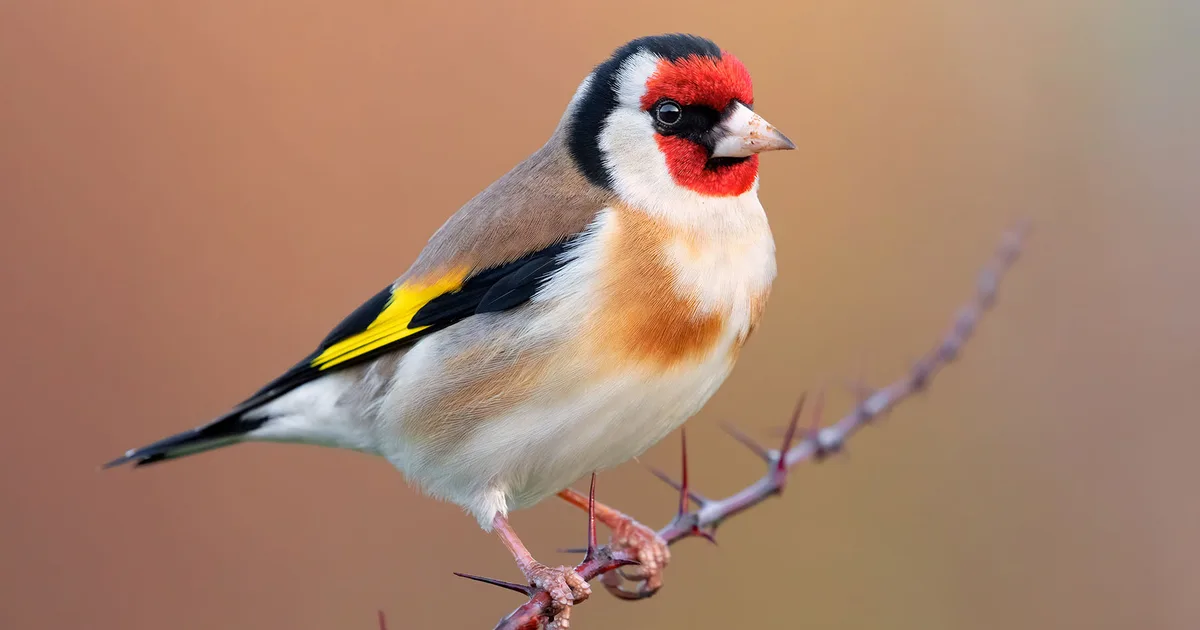
Most finch pairs, left to their own devices, will breed nonstop. That is not a compliment to their enthusiasm; it is a health warning. I made the mistake of letting my first zebra finch pair run unchecked for one breeding season, and by the third clutch the female's egg shells were paper thin and the male had lost visible weight. Knowing how often finch pairs should be allowed to breed isn't just trivia; it is one of the most important decisions you make as a keeper.
The Short Answer: Two to Three Clutches Per Year
Most finch keepers, including avian vets and long-time breeders, land on the same number: two clutches per year as the standard, with a third considered acceptable for robust pairs in excellent condition. Beyond that, you are asking more of the birds than their bodies can reliably deliver.
Here is how that breaks down in practice for the most common captive species:
- Zebra finches. Naturally strong breeders and the most likely to push past safe limits. Stick firmly to two, sometimes three clutches with a long rest between each attempt.
- Society finches. Equally motivated breeders. Two clutches per year is the right ceiling, and enforcing rest requires active intervention because these birds will find any excuse to nest.
- Gouldian finches. More delicate overall, and the female is especially vulnerable to calcium loss. Two clutches is the firm limit; many experienced keepers stop at one per season.
- House finches and other wild-type birds. In the wild, house finches typically raise two to three broods in a season. Match that in captivity and do not exceed it.
If you are new to breeding and wondering what a healthy pair in breeding condition even looks like, the signs a finch pair is breeding ready are worth knowing before you introduce any nesting triggers.
Why Captive Finches Breed More Than They Should
In the wild, finches respond to seasonal cues: shorter days, cooler temperatures, and reduced food availability all signal that breeding season is over. Those natural brakes disappear indoors. Warm rooms, consistent lighting, and a full feeder tell finches that conditions are perpetually ideal. Without those seasonal signals, a pair that would naturally raise two clutches will happily attempt six or eight in the same year.
This is especially pronounced with zebra and society finches. Both species are wired to breed aggressively, and they will nest in a food dish corner if you do not give them something better. Understanding this helps you see why enforcement is not optional; it is simply what replaces the seasons.
Risks of Overbreeding
The effects of too many clutches stack up gradually, which is exactly what makes them easy to miss until real damage is done. These are the most common consequences:
- Calcium depletion in the female. Each clutch costs the hen significant calcium. Without enough rest, shells thin out, deformities appear, and the risk of egg binding rises sharply. Egg binding can be fatal if it is not caught fast.
- Weight loss in the male. He feeds the chicks almost as actively as the female and cares for fledglings while she prepares the next clutch. Repeat that cycle without a break and he loses body mass, his immune response weakens, and aggression increases.
- Weaker chicks. Depleted parents raise depleted young. Chicks from overbred pairs tend to be smaller, fledge later, and show higher mortality. In some cases the parents abandon the nest partway through because they are simply out of reserves.
- Disrupted molt. Finches need to complete a full annual molt to regulate hormones and restore feather condition. Constant breeding delays or truncates the molt, and a bird that never fully molts stays in a physiologically stressed state.
- Shortened lifespan. A female pushed into constant laying can show reproductive failure as early as age two. Moderate breeding, by contrast, allows hens to remain healthy and productive for several years.
These are not worst-case scenarios; they are patterns that show up reliably when breeding frequency is not managed. Letting any of them become chronic is one of the common breeding mistakes that shorten a pair's life.
How to Enforce Rest Periods
Telling finches to take a break does not work. You have to change their environment so breeding simply is not possible. These are the methods that actually work:
Remove Nesting Materials and Boxes
This is the single most effective step. No grass, no coconut fiber, no wicker, no nest box. Without a structure to build in or materials to work with, most pairs will stop actively breeding within a few days. Also block any cup-shaped corners in the cage; society finches especially will try to claim any enclosed space they can find.
Reduce Daylight Hours
Breeding behavior is strongly tied to photoperiod. During active breeding season you want 12 to 14 hours of light. To signal a rest period, bring that down to 10 hours. This is the closest you can get to mimicking natural seasonal change indoors, and it sends a clear biological message that the breeding window has closed.
Shift to a Maintenance Diet
Breeding diets are intentionally rich: high in protein, plenty of egg food, fresh greens, sprouted seeds. That nutritional richness is a breeding trigger. During rest periods, return to a standard maintenance seed mix and dial back the extras. Keep cuttlebone available so the female can replenish calcium, but remove the foods that signal abundance and abundance-driven reproduction.
Rearrange the Cage
A familiar environment feels like home territory, which reinforces nesting behavior. Moving perches, rotating enrichment items, or changing the feeder location subtly resets the pair's sense of their space. It does not take much to interrupt the routine enough to interrupt the breeding cycle with it.
How Long the Rest Should Last
At minimum, eight weeks between clutches. Many experienced breeders give their pairs three to four months. The right signal that a pair is ready to breed again is not a calendar date; it is the condition of the birds. Look for bright, fully grown-out feathers, a return to relaxed and playful behavior, steady weight in both birds, and good appetite. Until those signs are all present, keep the breeding triggers out of the cage.
If you want to set the stage well for the next season, naturally encourage your finch pair to mate only after they have fully recovered. Rushing the next cycle because the birds look willing is how you end up back in the overbreeding loop.
Signs a Pair Is Being Pushed Too Hard
Even within the two-to-three clutch limit, some pairs hit their ceiling earlier. Watch for these signals:
- Thin or oddly shaped eggs. A reliable indicator of calcium depletion in the hen.
- Parents losing interest in the current clutch. If they begin ignoring the nest or chicks before fledging, they are already thinking about the next one and are too depleted to handle both.
- Scruffy or patchy feather condition in either bird. The molt is being crowded out by breeding demands.
- Smaller or weaker chicks than the previous clutch. Quality is declining as reserves run low.
- Increased irritability or feather plucking. Stress behaviors that signal the pair is genuinely overwhelmed.
Any of these is a reason to end the current breeding season early, not wait for the third clutch. Remove nesting materials immediately and start the rest protocol.
FAQs: How Often Finch Pairs Should Breed
These are the questions I hear most from keepers managing their first breeding pair.
Can finches breed year-round in captivity?
They will try. Physically, yes, captive finches can breed at any time of year because the usual seasonal brakes are removed indoors. But just because they can does not mean they should. Two to three clutches per year is the responsible ceiling, and you have to create the rest periods artificially.
How many eggs does a finch pair lay per clutch?
Most finch species lay between three and six eggs per clutch, with four to five being typical. Clutch size can shrink when a hen is depleted, which is one of the early signs that the pair needs a rest before the next attempt.
What if the pair lays eggs during the rest period?
Remove the nest box and any nesting material as soon as possible. If eggs are already laid and not yet incubated, you can remove them. If the pair is already sitting, let them complete the clutch, then enforce rest after fledging. Disrupting an active nest causes its own stress and is worth avoiding when you can.
Does breeding frequency affect how long finches live?
Yes, especially for females. A hen pushed into near-constant laying can show reproductive failure and declining health within two years. Pairs managed at two clutches per year with proper rest consistently live longer and breed more successfully over their lifetimes. For the full picture on how frequency fits into the bigger plan, the complete guide to finch breeding covers lifespan and long-term flock health in detail.
Breeding Less Often Means Better Results
It feels counterintuitive because productivity looks like more chicks, more often. But the math flips quickly when you factor in chick quality, parent health, and how many seasons a pair can productively breed. Two well-spaced clutches from a rested, healthy pair consistently outperform four clutches from an exhausted one. The birds that last the longest and raise the strongest young are the ones given real time to recover between each attempt.