
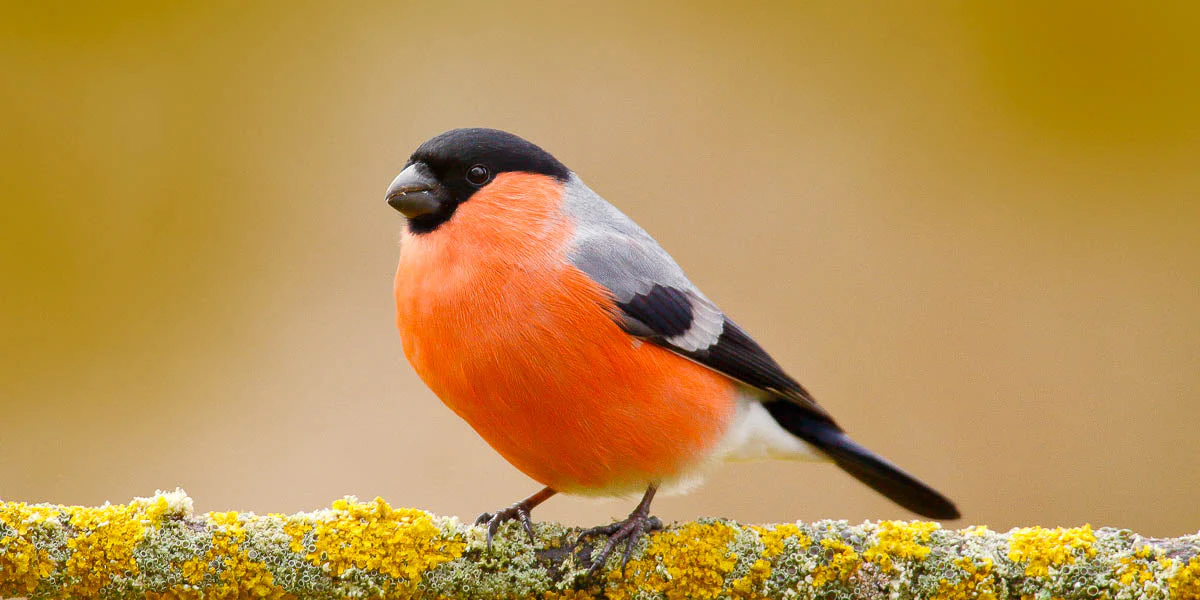
Watching a finch tear into something you made yourself is one of the small pleasures of keeping these birds. You know exactly what's in it, nothing artificial, nothing unnecessary, just real food cut down to size. I started making homemade finch treats because the commercial options either had fillers I didn't trust or were sized for parrots. After a lot of trial and observation, I've landed on a short list of recipes my finches actually finish, plus the ground rules that keep treats safe and genuinely useful rather than just a snack for snack's sake.
What Goes Into a Safe Finch Treat
Before any recipe, you need a working ingredients list. Finches are small and their digestive systems are sensitive, so the foundation matters more than the finished treat. These are the ingredients I reach for consistently:
- Millet. White or spray millet is the most accepted base and works well as a binder in clusters.
- Canary seed. A natural companion to millet and one of the best single-seed options for finches.
- Sprouted seeds. Soaked overnight and allowed to sprout, these pack more nutrition than their dried counterparts and make a great natural binder.
- Leafy greens. Finely chopped kale, spinach, or bok choy add nutrients without moisture that spoils quickly.
- Grated carrot. A small amount adds color, beta-carotene, and mild sweetness finches enjoy.
- Mashed peas. Soft, mild, and protein-rich, these act as a natural glue for treat balls and clusters.
- Hard-boiled egg. Grated fine and used sparingly, egg food delivers protein during molt or breeding season.
- Fresh herbs. A pinch of parsley or basil adds variety. Use tiny amounts so the flavor doesn't overwhelm.
- Apple or pear. Cut into tiny cubes with seeds removed. Use sparingly because fruit sugar adds up fast.
For a broader guide to what fruits and vegetables finches can safely eat, this list of safe fruits and veggies for finches is a good reference before you experiment.
Ingredients to Keep Out of Finch Treats
Equally important is knowing what stays off the list. A few common kitchen items are genuinely harmful to finches, and some show up in homemade bird treat recipes intended for wild birds or larger pet species. These never go into finch treats:
- Salt and sugar. Both stress the kidneys and can cause serious problems even in small amounts.
- Oils and fats. Peanut butter, suet, and cooking oils are popular in wild bird recipes but are too rich and potentially harmful for finches.
- Avocado. Toxic to finches and most pet birds. No exceptions.
- Onion and garlic. Can damage red blood cells even in trace quantities.
- Citrus fruit. Too acidic for finch digestion. Skip oranges, lemons, and grapefruit.
- Fruit seeds and pits. Apple seeds and stone fruit pits contain compounds that are harmful to birds.
- Artificial coloring or preservatives. Any additive-free treat is safer than a processed one.
If you're unsure whether an ingredient crosses the line, this rundown of dangerous foods to never feed finches covers the full picture.
Recipe 1: Seed and Greens Treat Balls
This is the recipe I make most often. It comes together in five minutes, holds its shape, and gives finches something to peck at rather than just scoop from a dish.
- Combine 2 tablespoons of millet with 1 tablespoon of canary seed in a small bowl.
- Add 1 teaspoon of finely chopped kale or spinach.
- Stir in 1 teaspoon of mashed peas until the mixture just holds together when pressed. Add a drop of water if the blend is too dry.
- Roll the mixture into small balls no larger than a fingernail.
- Place on a clean dish and serve immediately, or refrigerate for up to 24 hours before serving.
The mashed peas create enough natural moisture to bind the ingredients without making the treat sticky or messy. You can swap the peas for a small amount of grated carrot or mashed cooked sweet potato for variety.
Recipe 2: Sprouted Seed Cluster
Sprouted seeds are nutritionally denser than dried seeds, and finches love the soft texture. These clusters take a little planning ahead but almost no active prep time.
- Measure 2 tablespoons of mixed sprouting seeds into a small jar. Rinse well and cover with water.
- Soak overnight (8 to 12 hours), then drain and rinse again.
- Leave the jar at a slight angle in a cool spot for 12 to 24 hours until small white tails appear on the seeds.
- Once sprouted, mix the seeds with 1 teaspoon of finely chopped parsley or spinach.
- Press the mixture gently into small mounds on a flat dish and refrigerate for 15 minutes to firm up.
- Place in the enclosure in small portions and remove any uneaten portions after 2 hours.
I use these clusters most during molting, when finches need extra nutrition to support new feather growth. The soft texture also makes sprout clusters a good option if you're learning how to feed baby finches, since fledglings handle soft foods more easily than hard seeds.
Recipe 3: Soft Baked Seed Bars
These are the treat I reach for when I want something I can prepare ahead and keep for a few days. The low baking temperature firms the mixture without cooking out the nutrients.
- Preheat your oven to 200°F (93°C), or its lowest setting.
- Mix 3 tablespoons of millet with 1 tablespoon of finely grated carrot and 1 teaspoon of dried sprouting seeds.
- Add just enough water, about 1 to 2 teaspoons, to make the blend hold together when pressed.
- Spread the mixture thinly on a parchment-lined baking sheet, no more than half an inch deep.
- Bake for 20 to 25 minutes until the surface feels dry and the bar holds its shape but hasn't browned.
- Cool completely, then break into small pieces roughly the size of a pea.
- Store in an airtight container for up to 3 days.
The dried texture keeps well and lets finches nibble at their own pace. This recipe also works well clipped near a perch, which adds a foraging element that keeps them engaged.
How to Serve Homemade Treats
How you offer a treat affects whether finches eat it confidently or ignore it. A few serving habits make a real difference:
- Use a flat dish or clip. A small flat dish near the regular feeding area lets finches approach calmly. A treat clip near a perch adds enrichment and encourages natural pecking behavior.
- Keep portions small. Treats should supplement the regular diet, not crowd it out. A fingernail-sized portion per bird per day is enough.
- Never place treats on the cage floor. Droppings and bedding contaminate food quickly. Always use a dedicated dish.
- Introduce new treats alongside something familiar. A sprinkle of millet around a new treat cluster helps hesitant birds start exploring it without anxiety.
- Remove uneaten fresh treats promptly. Anything with fruit, greens, or egg food should come out after 2 hours. Spoiled food is a real health risk for finches.
One thing to avoid: mixing grit into treat recipes. It seems intuitive but it isn't helpful and can actually cause problems. Here's why mixing grit into finch food is riskier than it looks.
Storage Rules at a Glance
Storage times vary by recipe type. Keep these in mind so nothing goes to waste or causes harm:
- Fresh sprout clusters and fruit mixes: Serve immediately. Remove leftovers within 2 hours.
- Seed and greens treat balls: Refrigerate in a covered dish for up to 24 hours.
- Baked seed bars: Airtight container at room temperature for up to 3 days.
- Avoid freezing. Thawing changes the texture and moisture level in ways finches often reject.
Freshness isn't just a quality issue. Finches are sensitive enough that slightly spoiled food can cause digestive upset, so when in doubt, toss it out.
FAQs: Homemade Finch Treats
A few questions come up often when keepers start making their own finch treats:
How often should I give finches homemade treats?
Two or three times a week is a reasonable rhythm. Treats should stay a small percentage of the overall diet. Daily treats are fine if portions are tiny, but rotating recipes and rest days keeps finches from expecting treats over their staple foods.
Can I use peanut butter in a finch treat recipe?
No. Peanut butter and similar fat-heavy ingredients are common in wild bird and backyard feeder recipes, but they're too rich for finches and can cause digestive issues. Stick to the ingredient list above, where mashed peas and sprouted seeds do the binding work safely.
My finch ignored the new treat. What should I try?
Start by placing a small amount of the new treat next to their usual millet. Familiarity lowers the barrier. Also try offering it at a slightly different time of day. If the bird still doesn't engage after a few tries, move on to a different recipe rather than pushing the same one.
Are dried fruits safe to add?
Unsweetened, additive-free dried fruit can work in very small amounts, but fresh is almost always better. Many commercially dried fruits are treated with sulfur dioxide or have added sugar, both of which are harmful to finches. If you use dried fruit, check the label carefully and use a pinch at most.
The Simplest Treats Work Best
After years of experimenting, the recipes I still use are the simple ones: a seed ball, a sprout cluster, a baked bar. Finches don't need complexity, they need clean, natural ingredients offered in small amounts with a little variety over time. The act of making treats also teaches you a lot about your individual birds, what textures they prefer, which ingredients disappear first, which ones get flung to the cage floor. That observation makes you a better keeper, even beyond the treats themselves.