
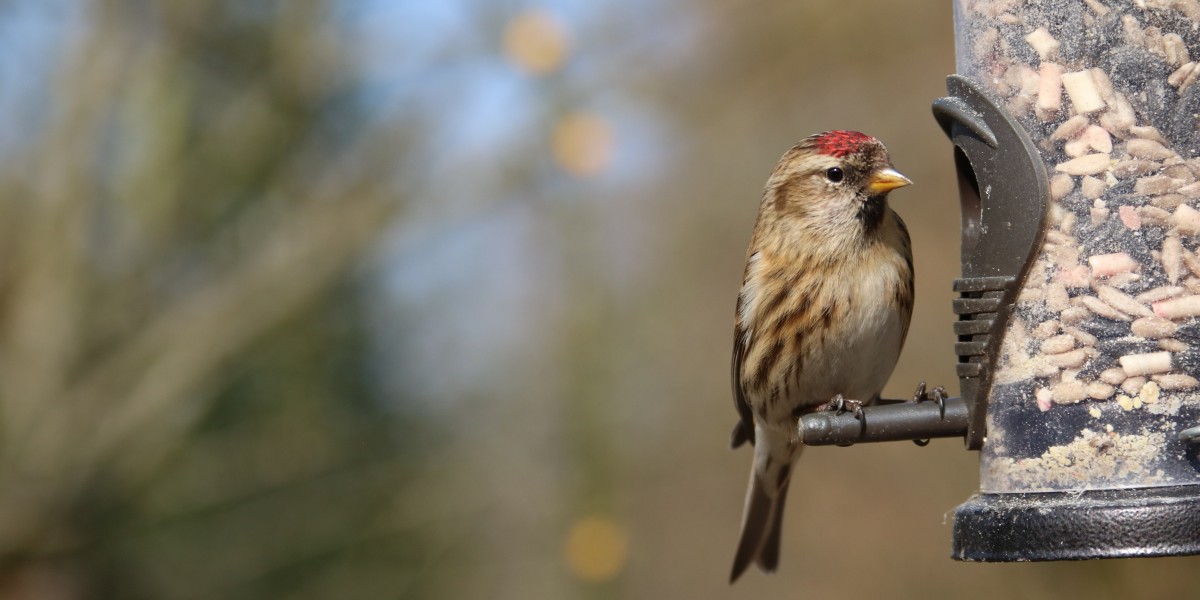
Walk up to any finch cage and within about thirty seconds you can tell a lot about how the birds inside are doing. Not because finches are dramatic about illness, but because healthy ones broadcast it constantly through their posture, their energy, the way their feathers sit, how they respond to you. Once you know what you're looking for, the read becomes almost automatic.
I've kept finches long enough that this kind of quick scan has become second nature. These birds are small, but they're not subtle about wellness. A thriving finch in a well-maintained enclosure looks and acts completely different from one that's struggling, even if the struggling one hasn't shown outward symptoms yet. Below I'll lay out every sign I check, the red flags that tell me something needs attention, and a fast routine you can use the next time you're looking at a bird at a store or a breeder's aviary.
Signs of a Healthy Finch: The Full Checklist
Run through these body-by-body checkpoints whenever you're assessing a bird, whether it's one you already own or one you're considering bringing home. Each point is a real signal, not just a reassurance.
Eyes
The eyes are the first thing I look at. A healthy finch has eyes that are:
- Round, wide open, and shiny, with no cloudiness or film over the surface.
- Responsive and alert, tracking movement naturally when you move near the cage.
- Free of redness, swelling, or discharge around the lid or eye socket.
- Consistently open, with no drooping or half-closed appearance during active hours.
Dull, watery, or half-closed eyes are often the first indicator something is wrong, even before appetite drops or feathers flare. In zebra finches especially, the eyes tend to be very expressive about comfort and energy level. Trust what you see here.
Feathers
Plumage is a full-body health report. In a healthy finch, the feathers:
- Lie flat and smooth against the body, with no areas sticking out or puffed up during active time.
- Show consistent color and no ragged edges or visible gaps in coverage.
- Look clean around the vent area, with no staining or matting.
- Reflect a little light evenly across the chest and wings, a sign of good hydration and nutrition.
Ruffled feathers held continuously, especially with the bird sitting low and still, tell me the bird is cold or unwell and trying to conserve heat. Molting is the one exception: a bird mid-molt may look rough temporarily, but appetite and behavior should stay normal.
Posture and Perching
How a finch holds itself and moves around the cage tells you about muscle strength, joint health, and comfort level. Look for:
- An upright, balanced stance on the perch, feet gripping firmly without trembling.
- Equal weight on both feet, no favoring one side or leaning hard to one direction.
- Quick, clean hops between perches with accurate landings.
- No sitting on the cage floor, which is almost always a sign of weakness in this species.
A healthy finch is in motion most of the day. If a bird is sitting still for long stretches, or perching low rather than high, it's worth watching closely.
Breathing
Quiet, effortless breathing is what you want. Signs of healthy respiration:
- Chest rises and falls smoothly, with no visible straining or bobbing.
- Beak stays closed at rest, not open-mouthed except briefly after hard flight.
- No clicking, wheezing, or wet-sounding noises during normal activity.
- No tail bobbing in rhythm with each breath, which signals respiratory distress.
Respiratory issues, including air sac mites, are among the most common causes of breathing problems in pet finches and can progress quickly. Air sac mites live in the respiratory tract and are often the cause of clicking or wheezing sounds before any other symptoms appear. Clicking sounds or labored breathing need a veterinarian call the same day, not a wait-and-see approach.
Droppings
I check droppings every day because they're one of the most reliable early warning systems we have with small birds. Most pet finch species don't vocalize pain, and their instinct is to hide weakness for as long as possible. The droppings bypass that instinct entirely. Healthy droppings:
- Are well-formed, with a visible distinction between the solid and liquid portions.
- Stay consistent in color, typically dark green-black solid with white urate and clear liquid.
- Leave no sticky residue around the vent area.
- Don't have a strong odor beyond the normal mild smell.
Diet changes can shift dropping color temporarily, so note any recent food introductions before reading too much into a single day's output. Loose, watery, or oddly colored droppings that persist past 24 hours warrant attention.
Behavior and Vocalizations
A healthy finch is socially engaged, curious, and vocal. The behavioral signs I rely on:
- Active movement throughout the day with natural rest periods in the afternoon.
- Regular chirping, soft calls, and group communication with cage companions.
- Confident interaction with the food dish, exploring seed mixes and fresh foods.
- Alert, interested response when you approach, not panicked but not withdrawn.
- Normal social behavior with flock mates, not isolating in a corner.
A finch that has gone noticeably quiet, is isolating, or has stopped interacting with companions is showing one of the clearest early signs that something has shifted. This is true regardless of the species. Whether you're keeping zebra finches, society finches, or Gouldians, behavioral withdrawal is universal. The signs of a stressed finch often show up in behavior first, before any physical symptoms appear, which is why watching the whole flock rather than just one bird gives you a much fuller picture.
Red Flags: What to Watch For
These are the signs that move a situation from "keep an eye on it" to "act today." None of these should be waited out to see if they resolve on their own.
- Fluffed feathers held for more than a few minutes, especially combined with low energy.
- Tail bobbing with each breath, or any clicking, wheezing, or open-mouthed breathing at rest.
- Bird sitting on the cage floor rather than perching.
- Complete silence from a bird that is normally vocal.
- Discharge or crust around the eyes, beak, or nostrils.
- Loose, discolored, or watery droppings lasting more than a day.
- Unsteady grip on perches or falling off unexpectedly.
- Visible weight loss, where the keel bone becomes prominent when you carefully handle the bird.
Finches mask illness well because showing weakness in a flock makes them a target. By the time a bird looks obviously sick, it's often been struggling for a while. That's part of why daily observation matters so much. Learn more about what common finch diseases look like so you can catch them before they progress, and know when a symptom you're seeing is actually a known condition with a straightforward treatment.
The Quick At-the-Store Check Routine
You're standing in front of a cage at a pet store or breeder. You have maybe five minutes. Here's the sequence I run, in order:
- Scan the floor of the enclosure. Any birds sitting on the bottom are sick. Walk away from that group entirely, including the birds that look fine, since disease spreads fast in a shared cage.
- Watch breathing for 30 seconds. Look for tail bobbing, open mouths, or any visible chest effort. Any of these is a disqualifier.
- Check posture on the perches. Healthy birds sit upright and shift around. Puffed-up birds sitting low and still are not well.
- Look at the eyes. Bright and round means good. Dull, watery, or half-closed means no.
- Assess feather condition. Smooth and flat is the goal. Ragged, patchy, or excessively puffed tells a different story.
- Check the droppings on the cage liner. Well-formed droppings with normal coloration are a green light. Loose or watery piles across the liner suggest a sick population.
- Watch for social behavior. Birds that are eating, hopping, and interacting with each other are in a much better position than ones sitting alone and unresponsive.
If any single bird in the cage fails more than one of these checks, reconsider the whole group. Finches in shared store enclosures can transmit illness between cage mates within days, so the health of the group reflects the health of the individual. Ask the store staff how long the birds have been in the display cage, what species are mixed together, and whether the store has a return policy for sick birds. Reputable sellers will answer all three without hesitation. A complete finch health checklist is worth bookmarking so you can use it every time you're evaluating a bird, at home or at the store.
FAQs: Recognizing Healthy Finch Signs
Here are the questions I hear most often from new finch owners doing their first real health assessment.
How do I tell if my finch is sick or just sleeping?
Timing matters. A sleeping finch tucks into a perch and fluffs slightly, but it should perk up quickly when you approach. Fluffed posture with low energy during the active hours of the day, especially if the bird isn't responding to your presence, is not sleep. That's illness.
Do healthy finches preen a lot?
Yes, regular preening is a good sign. A healthy bird runs its feathers through its beak, checks its wing and tail feathers, and scratches around the face with its feet. A finch that has stopped preening entirely, leading to unkempt or matted feathers, is usually not feeling well.
What do normal finch droppings look like?
The classic healthy dropping is a compact, dark green-black solid surrounded by white urate and a small amount of clear liquid. Some color variation is normal when diet changes, such as eating beets or dark leafy greens. Anything watery, runny, or heavily off-color for more than a day deserves attention.
How often should I have my finch checked by a vet?
Once a year is a reasonable baseline for a bird that looks and acts healthy. More frequent visits make sense after any health scare, a new bird introduction, or if you notice subtle changes you can't quite explain. Understanding why regular vet checkups matter is especially useful for anyone managing a multi-bird aviary where illness can spread quickly.
Can I tell a healthy finch just from looking at it?
Mostly, yes. The visible signs, including eyes, feathers, posture, and breathing, together paint a reliable picture. No visual check replaces a vet exam for definitive diagnosis, but a solid observational routine will catch most early warning signs before they become emergencies.