
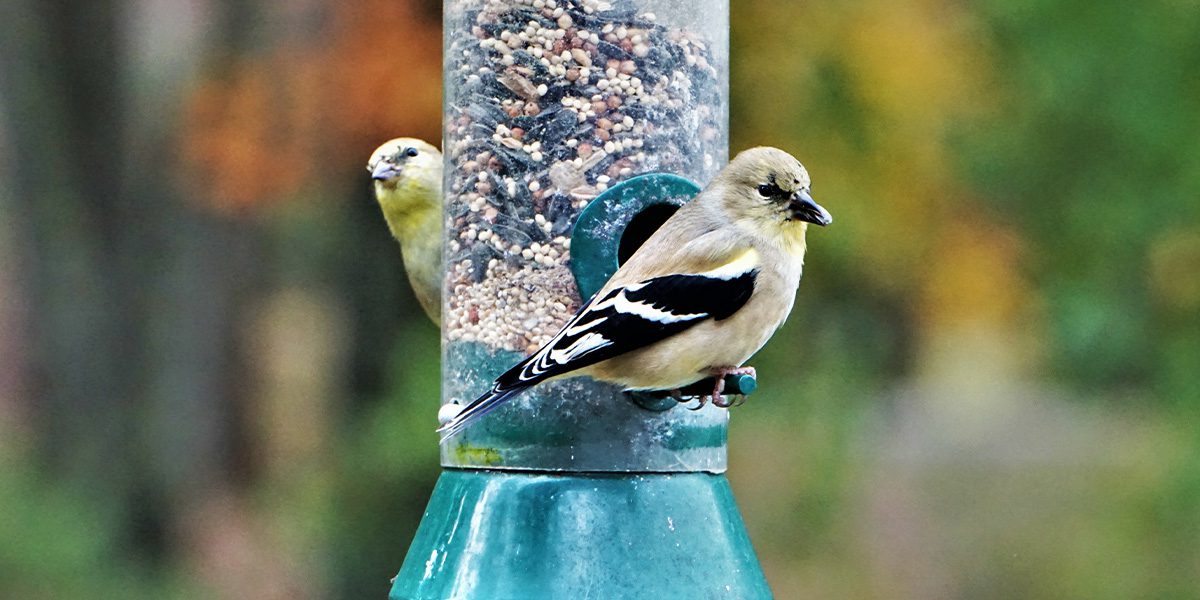
Yes, mealworms are safe for finches, but only in small amounts and at the right times. They are not an everyday food. Think of them as a targeted supplement, one that earns its place during breeding season and molt, then steps back the rest of the year. Get that balance right and mealworms are genuinely useful. Overdo it and you create problems that a bag of seeds would never cause.
Here is everything you need to know to use them well.
Why Mealworms Appeal to Finch Keepers
The draw makes sense. Mealworms are a dense live food protein source in a tiny package, and finches in the wild do consume insects, particularly during nesting when chicks are growing fast. Indoor birds miss out on that natural foraging, so mealworms feel like a reasonable way to fill the gap. They also move, which taps into a finch's instinct to chase small prey, making them more mentally stimulating than a static seed cup.
The issue is that popularity has outrun precision. A lot of owners start offering mealworms before they understand the limits, and the limits matter here.
What Mealworms Actually Provide
Before adding any food to the rotation, it helps to know what you are actually giving your birds. Mealworms bring a specific nutritional profile:
- High protein. The primary reason to use them, especially during breeding and molt when keratin-heavy feather growth demands extra dietary support.
- High fat. Useful in short bursts, but a real problem if mealworms become a regular item. Finches have fast metabolisms and small bodies that are sensitive to fat accumulation.
- Moderate moisture in live worms. Live mealworms are roughly 62% water, which makes them easier to digest than dried versions and slightly lower in concentrated calories.
- Very little calcium or vitamins A and D. These are the gaps. Mealworms cannot balance a diet on their own, which is why they pair well with a cuttlebone and leafy greens rather than replacing them.
Live food like mealworms fills a protein niche that seeds and pellets simply cannot match. But that one strength does not make them complete nutrition.
Live vs. Dried vs. Freeze-Dried: Which Is Best
The form you choose changes the practical experience quite a bit:
- Live mealworms are the most natural option. The movement attracts reluctant birds, and the moisture content makes them gentler on digestion. The tradeoff is storage: you need a cool container, fresh substrate (oats or bran work well), and you should gut-load them on carrots or greens for a day or two before offering so the birds get a little extra calcium and vitamins.
- Dried mealworms are convenient and shelf-stable, but they are calorie-dense and can be a choking hazard for smaller species. I crush dried worms into small pieces with the back of a spoon before mixing them into soft food.
- Freeze-dried mealworms split the difference. They retain more nutrients than heat-dried worms and are easier to handle than live ones, though some finches ignore them because they lack movement.
Soaked dried mealworms are worth trying for birds that reject the hard texture. A ten-minute soak in warm water softens them and makes them much closer to live worms in texture.
Benefits at a Glance
When used correctly, mealworms offer genuine advantages in specific situations:
- Breeding season support. Parent finches of most insectivorous and semi-insectivorous species ramp up their protein intake when raising chicks. Mealworms can help fill that demand.
- Molt recovery. Growing new feathers is metabolically expensive. A small protein boost during molt helps reduce stress and supports smooth feather development.
- Enrichment for indoor birds. Captive finches lose natural foraging variety. Introducing new foods like live mealworms adds stimulation and breaks routine.
- Recovery nutrition. Birds coming back from illness sometimes benefit from a brief protein increase, though this should always be cleared with an avian vet first.
- Pair bonding. During breeding season, paired finches sometimes feed each other mealworms, which strengthens the bond and signals nesting readiness.
These are real benefits, but they only hold up when the portion stays small and the timing is intentional.
Risks and Cautions
This is the part most posts skim over. The risks are concrete and worth knowing before you open the bag:
- Obesity and liver strain. The fat content in mealworms adds up fast in a bird that weighs less than an ounce. Daily feeding, even in small amounts, can lead to weight gain and organ stress over weeks.
- Digestive upset. Finches new to animal protein often show loose droppings or lethargy after their first few exposures. Start tiny, watch the droppings, and pull back if anything looks off.
- Food preference problems. Rich, fatty foods are appealing, and finches learn preferences quickly. Offer mealworms too often and some birds begin rejecting seeds, greens, and pellets in favor of waiting for the good stuff.
- Storage contamination. Live mealworms kept in dirty containers can carry bacteria. Dried worms stored in humid conditions grow mold. Both are genuinely dangerous for finches.
- Choking risk with large pieces. Dried mealworms are stiff and can lodge in the throat of smaller finch species. Always break them down before offering.
- Not appropriate for all birds. Elderly finches, birds with liver conditions, and recently weaned juveniles should not receive mealworms without a vet's sign-off.
None of these make mealworms off-limits. They make them a food that requires attention, not one you toss in and forget about.
How Much and How Often: A Practical Guide
The frequency question is where most owners go wrong. Here is how I approach it:
- Outside breeding and molt: Once or twice a week at most. A pair of finches needs only one to three small pieces per session. This is enrichment, not a meal.
- During breeding season: You can increase to every other day, but keep portions small. Parent birds working to feed chicks may accept more, and some species actively need the live food protein to raise young successfully. Watch consumption and adjust from there.
- During molt: Two to three times per week is reasonable. The goal is supporting feather regrowth, not supplementing their entire diet.
- For recovery: Follow your vet's guidance. High-fat foods can worsen some conditions even when the bird seems to need extra nutrition.
The species you keep matters too. Insectivorous finches like waxbills, cordon bleus, and orange-cheeked waxbills actually require live food as a dietary staple, especially when breeding. Granivorous species like society finches and zebra finches can take or leave mealworms; for them, egg food often does a better job without the fat load. Know which camp your birds fall into before you set a feeding schedule.
You can adjust the overall feeding approach by season to keep protein timing in sync with your birds' natural cycles.
How to Introduce Mealworms Without Problems
Finches that have never seen mealworms need a slow introduction. Moving too fast causes rejection or digestive trouble.
- Start with a few crumbs. Crush a single dried mealworm and mix the fragments into soft food or egg food. The familiar base helps birds accept the unfamiliar ingredient.
- Offer in the morning. Appetite is strongest early in the day, and you can watch the birds' behavior for several hours after they eat.
- Watch the droppings. Normal, firm droppings within a few hours are a good sign. Watery or discolored droppings mean the portion was too large or the bird is sensitive.
- Wait a few days before the next offer. Give the digestive system time to adjust before increasing frequency.
- Build up slowly over two to three weeks. Once birds are consistently accepting mealworms with no reaction, you can move to the regular schedule that fits the season.
Patience here pays off. Rushed introductions create picky eaters or birds that associate mealworms with discomfort.
Cleaner Alternatives for the Same Protein Goal
Not every keeper wants to deal with live insects, and that is a perfectly reasonable position. There are solid alternatives that deliver comparable protein without the logistical hassle:
- Egg food. A classic for good reason. Hard-boiled egg crumbled fine gives finches high-quality protein with a much lower fat load than mealworms. It is especially good during molt and breeding when you need reliable nutrition without the unpredictability of live food.
- Sprouted seeds. Sprouting converts the starch in seeds to available protein and adds moisture, making them easier to digest. Sprouted millet, canary seed, and niger seed are all worth rotating in.
- Commercial finch soft food or insectivore mix. Designed for birds that require live food as part of their diet, these mixes are a more balanced and controlled option than raw mealworms.
For anyone managing a nutritionally balanced finch diet, egg food is a reliable anchor during breeding season that sidesteps the risks mealworms carry.
If you want to understand the full feeding picture, it is worth looking at how much finches should eat in a day so protein supplements land in the right context rather than crowding out the rest of the diet.
Foods to Keep Away from Finches
Mealworms in the right amount are fine. The same cannot be said for everything birds might get into. If you are expanding your birds' diet, it is worth reviewing which foods are genuinely dangerous for finches so you can avoid the ones that cause real harm.
FAQs: Mealworms for Finches
The questions I hear most often from finch keepers getting started with mealworms:
Can zebra finches eat mealworms?
Yes, in small amounts. Zebra finches are primarily granivorous and do not require live food the way insectivorous species do, but they will often accept mealworms during breeding season when the extra protein is useful. Keep portions tiny, one to two small pieces a few times per week at most, and watch how individual birds respond.
Do finch chicks need mealworms?
For insectivorous species, yes. Many waxbills and similar finches will not successfully raise chicks without live food in the diet. For granivorous species like zebra or society finches, egg food typically meets the protein need without the risks of introducing mealworms to very young birds. When in doubt, egg food first.
Are dried mealworms as good as live ones?
They work, but they are not identical. Dried worms lose moisture and some nutrients in processing and carry more concentrated fat per gram. Soaking them in warm water for ten to fifteen minutes before offering brings them closer to live in texture and makes them easier for finches to swallow safely.
How many mealworms should I give per day?
During active feeding periods like breeding or molt, one to three small mealworms per bird every other day is a reasonable upper limit for most species. Outside those windows, once or twice a week is plenty. Treats should make up no more than ten percent of the overall diet.
What if my finch ignores mealworms entirely?
That is fine. Not every bird is interested in live food, and granivorous finches especially may show no interest at all. Do not force it. Egg food and sprouted seeds provide the same protein benefit without the need to convince a reluctant bird.