
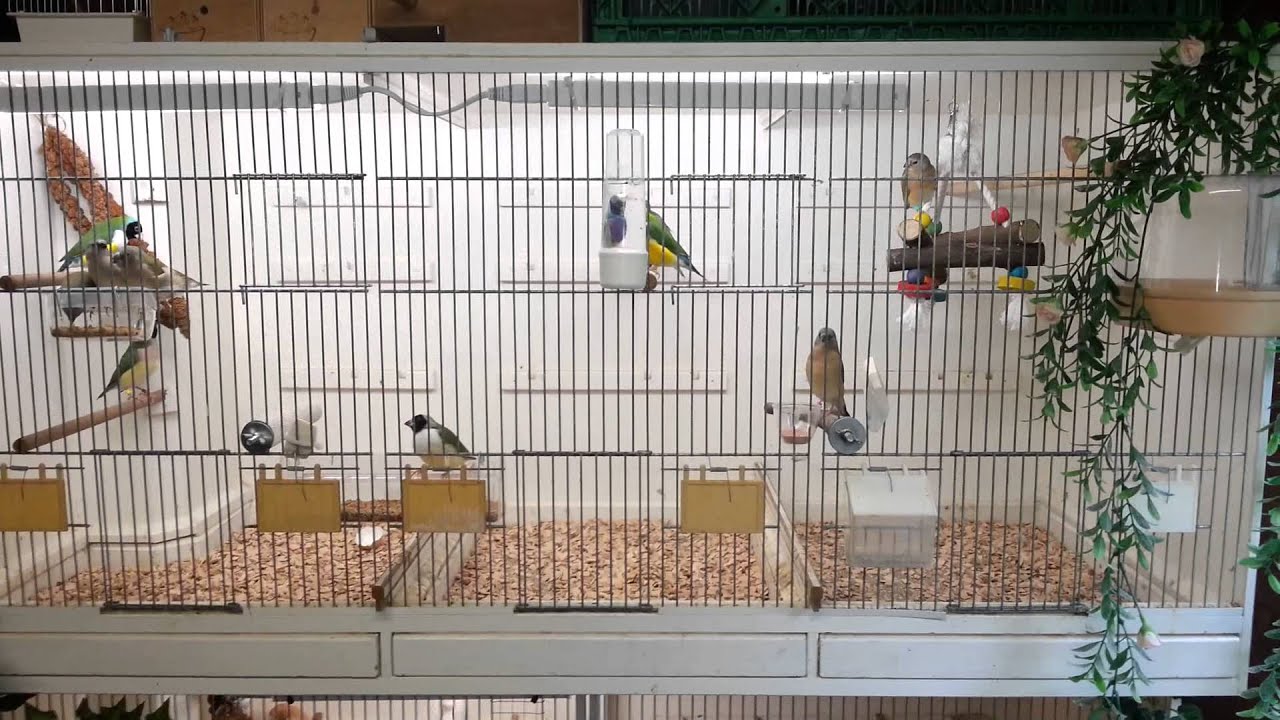
Walk into a well-kept aviary and you barely notice a smell at all. Walk into one that's been neglected for a week and you know it immediately. That contrast taught me more about finch habitat management than any guide I'd read. Odor is information. It tells you exactly where the balance has broken down, and once you know what to look for, keeping a cage fresh becomes a straightforward routine rather than a constant scramble.
This post walks through the root causes of cage odor, a practical prevention checklist, and the weekly rhythm I've settled on after years of keeping finches. The goal isn't a cage that smells like nothing; it's a cage where any off-note is a signal, not a baseline.
What Actually Causes the Smell
Most cage odors trace back to one of five sources, and they usually overlap. Knowing which one is driving things helps you fix the right thing instead of just cleaning harder.
- Droppings accumulation. Finches produce waste frequently throughout the day. Droppings that collect under perches or in cage corners break down and release ammonia, especially in warm or humid rooms.
- Spoiled food. Soft foods, fresh vegetables, sprouted seeds, and egg mixes begin fermenting within hours at room temperature. A small piece left overnight can overwhelm an otherwise clean cage.
- Damp bedding. Moisture from water dishes, bath splashes, and humid air saturates bedding over time. Wet bedding becomes a breeding ground for bacteria and mold, both of which produce strong, musty scents.
- Poor airflow. A cage in a corner with still air traps odors instead of dispersing them. Even a clean cage can smell stale if ventilation is limited.
- Health issues. Watery or unusually pungent droppings can signal a change in diet or an early illness. If the smell changed suddenly and the cage is otherwise clean, the birds are worth a closer look. Addressing disease risk early protects the whole flock.
The good news is that all five causes respond to the same set of habits. Prevention is much easier than remediation.
Prevention Checklist: Where to Start
If you want one practical reference, this is it. Run through these in order whenever you're setting up a new habitat or resetting a problem cage.
- Choose the right bedding. Paper pellets or hemp bedding absorb moisture efficiently without locking in odor. Avoid cedar shavings entirely because the natural oils are harmful to birds. Aspen is acceptable but develops a mild wood scent when mixed with droppings.
- Layer bedding at the right depth. Too thin and droppings sit on the surface. Too thick and moisture gets trapped inside the lower layers. An inch to an inch and a half works well for most cage sizes.
- Position food dishes to minimize mess. Seed hulls scatter and pile up fast. Hooded feeder cups or raised dishes reduce how much hull ends up on the floor and in the water bowl.
- Remove soft foods within two to four hours. Fresh greens, fruits, sprouts, and egg mix don't last the day in a warm room. Small portions offered at a set time and removed before they spoil keeps the cage smelling clean.
- Change water daily, even if it looks clear. Feathers, dust, and seed hulls contaminate the water throughout the day. Bacterial films form on the inner surface of the dish within 24 hours.
- Position the cage away from corners and walls. Dead air zones amplify every smell. A cage that gets natural room airflow disperses odors before they concentrate.
- Keep a consistent cleaning rhythm. Daily spot-cleaning under perches, combined with a full bedding change every five to seven days and a thorough scrub every two to four weeks, prevents accumulation at every level.
These steps address the causes rather than the symptoms. Once the routine is in place, keeping a fresh habitat takes very little time each day.
Bedding and the Moisture Problem
Moisture control is the single biggest lever you have over cage odor. Bacteria and mold need dampness to thrive, and once either establishes itself in the bedding, no amount of spot-cleaning corrects it. You have to change the whole floor.
The best bedding materials for odor prevention share two traits: they absorb quickly and dry fast. Here's how the common options compare.
- Paper pellets. Absorb well, produce almost no dust, and stay relatively odor-neutral until saturated. One of the cleanest options for indoor cages.
- Hemp bedding. Absorbs moisture efficiently, decomposes slowly, and maintains a neutral scent longer than wood-based alternatives.
- Aspen shavings. A reasonable middle-ground option. Mild wood scent becomes noticeable when wet, but it is not harmful to birds the way cedar is.
- Pine shavings. Generally acceptable but vary in oil content; avoid any that have a strong pine smell before use.
- Cedar shavings. Do not use. The aromatic oils are toxic to birds and should never be used in any small animal habitat.
- Straw or hay. Traps moisture, molds quickly, and is difficult to dry out. Not recommended for indoor finch cages.
Beyond material choice, bath management matters. Finches love to bathe, and that's a good thing for their feather condition and their scent. Place the bath dish where splashes land on a removable mat or a section of floor that dries quickly. Remove the bath after 30 to 60 minutes rather than leaving standing water in the cage all day.
In humid climates or during humid seasons, room moisture can keep the cage floor damp even without obvious splashing. A small dehumidifier near the bird room makes a real difference, and it also protects the birds from the respiratory risks that come with chronic dampness.
Food Habits That Keep the Cage Fresh
The way you feed your finches has a direct impact on how the cage smells. Seeds on their own are fairly stable, but most finches benefit from a varied diet that includes foods that spoil much faster than dry seed.
A few habits make fresh feeding sustainable without constant monitoring.
- Offer fresh foods at a set time each day. A predictable offering window means you know exactly when to remove what's left, rather than guessing how long something has been sitting there.
- Use small, dedicated fresh-food dishes. Keep them separate from the seed cup so dry food doesn't absorb moisture from nearby fresh items.
- Rinse fresh-food dishes daily. Even if they look clean, residue builds up on the inner surface and ferments quickly in a warm room.
- Blow or brush seed cups between refills. Seed hulls pile up inside and around the cup. That layer of spent husks traps oils and dust that go rancid over time.
- Rotate greens and vegetables. Different plants provide different nutrients, and rotating them also means you notice faster if something was left in longer than it should have been.
Fresh greens, sprouts, and egg mixes are the items that cause the most odor problems, because they go off so quickly. If you're finding that the cage smells sour by afternoon, the culprit is almost always a soft food that sat too long.
Cage Layout and Airflow
No amount of cleaning fully compensates for a cage that traps air. Finches live in a relatively small space, and how that space is arranged affects how quickly natural odors disperse.
A few layout principles that help.
- Use wire-sided cages over enclosed designs. Open wire construction allows air to pass through from all directions. Acrylic or solid-back enclosures restrict circulation and let smells concentrate.
- Don't over-accessorize. Too many perches, toys, and nest materials crammed into a small space create pockets where air doesn't move. Finches need open flight room, and so does the air.
- Position the cage away from still-air corners. A spot with gentle natural airflow disperses odors before they build. Avoid drafts that blow directly on the birds, but also avoid dead zones where air never moves.
- Keep the cage off the floor. Heat rises and so do odors. A cage at waist height or above sits in better-circulated air than one on the ground.
Temperature and lighting also play supporting roles. A warmer room makes everything decay faster, which is why a cage that smells fine in winter can get noticeably stronger in summer. Keeping the habitat within the temperature range finches prefer handles this indirectly. For guidance on that, the ideal temperature range for finches is worth reviewing alongside your odor prevention setup. And if you're weighing whether your setup belongs indoors or out, the tradeoffs covered in indoor vs. outdoor finch aviaries are directly relevant here, since outdoor setups have entirely different airflow and moisture dynamics.
The Weekly Cleaning Routine
Daily spot-cleaning prevents accumulation, but a structured weekly routine is what actually resets the habitat. Here's the sequence I use, which takes about 20 to 30 minutes once it becomes familiar.
- Move the finches to a safe temporary enclosure. A travel cage or a second enclosure works. Don't rush the birds; give them a moment to settle before you start cleaning.
- Remove all accessories. Take out perches, toys, food dishes, water dishes, bath dishes, and any nest materials. Set them aside to be cleaned separately.
- Remove and dispose of all bedding. Don't shake it into the room if you can help it, as dried droppings produce dust. Bag it and take it out.
- Scrub all cage surfaces. Use warm water and a fragrance-free dish soap. Pay special attention to bar junctions, corner seams, and tray edges where waste collects.
- Rinse thoroughly. Leftover soap residue creates sticky spots that bacteria colonize quickly. Rinse until the water runs clear and there is no soapy feel.
- Dry completely before reassembling. Moisture in the seams or on the tray leads to mold. A clean towel followed by a fan or open air for 15 to 30 minutes works well.
- Clean accessories separately. Scrub perches with a stiff brush, wash dishes in hot water, and inspect nest materials for moisture damage or mold. Replace anything that can't be fully cleaned.
- Reassemble with fresh bedding and clean dishes. Return the birds once the cage is fully dry and reset. Watch their behavior for a few minutes; a sudden reluctance to use a perch or dish sometimes flags a spot that wasn't rinsed well.
Finches are noticeably more active and vocal after a thorough clean. The behavior change is a good indicator that the habitat is back to where it should be.
When Odor Signals a Bigger Problem
Most cage smells respond to the routine above. A few situations call for more than cleaning.
- Sudden sharp ammonia smell. A dramatic increase in ammonia scent often means too many birds for the space, or droppings accumulating much faster than usual. Check bird count relative to cage size and look for signs of illness in the flock.
- Persistent musty scent despite clean bedding. If the musty smell returns within a day of changing the bedding, mold has likely established in the cage frame itself, in seams, under the tray, or in wooden accessories. Wooden parts often can't be fully decontaminated and may need replacing.
- Changes in droppings appearance or scent. Unusually watery, dark, or foul-smelling droppings are a health signal. Pair this with a behavioral check and consider an avian vet visit if it persists. The cage scent is secondary to the bird's health.
- Lingering smell after full cleaning. If a thorough scrub doesn't reset the scent, the cage material itself may be the issue. Older cages with rusted bars, cracked plastic trays, or damaged coatings harbor bacteria in places that cleaning solutions can't reach. At that point, replacement is more practical than continued effort.
Cage lighting can also contribute to persistent warmth near the bedding, which accelerates decomposition. If you're using bulbs that run warm, swapping to cool-running options is a small change that helps. For a broader look at how the light environment affects your birds day to day, how lighting affects finch behavior is useful context. And since birds in a smaller or more crowded cage generate more waste per square foot, reviewing the best cages for finch pairs and groups can help you decide whether a larger or better-ventilated setup would reduce the cleaning load overall.
FAQs: Preventing Bad Odor in Finch Habitats
Here are the questions I hear most often from people dealing with persistent cage smells.
How often should I change the bedding?
For most indoor cages, a full bedding change every five to seven days works well, combined with daily spot-removal of soiled patches under the perches. In humid climates or with larger flocks, every three to five days may be necessary.
Why does my cage smell even right after I clean it?
This usually means the odor is coming from a surface that wasn't fully dried, a wooden accessory that has absorbed bacteria, or a cage tray with cracks or rust where residue is trapped. Check that everything dried completely before reassembly and inspect any wooden perches or accessories closely.
Is it okay to use scented products to cover the smell?
No. Birds have sensitive respiratory systems and strong scents, including air fresheners, candles, and scented sprays, can cause real harm. The goal is removing the source of the odor, not masking it with anything fragrant or chemical.
Can diet affect how much the cage smells?
Yes. A diet heavy in soft foods, fresh produce, or egg mix generates more spoilage risk than a seed-based diet. That doesn't mean you should skip fresh foods; finches need variety. It means managing portions and removal times carefully, which is covered in the feeding section above.
Does cage size affect odor?
Significantly. A smaller cage concentrates waste faster, limits airflow, and means perches are closer to the bedding where droppings land. More space per bird means cleaner air. This is one of the practical arguments for giving finches a larger habitat than the minimum recommended size.
A Fresh Habitat Is a Healthy Habitat
A finch cage that smells right is one where waste is managed, airflow is present, moisture is controlled, and food is fresh. None of those things require an elaborate system. They require a routine and the discipline to keep it. Once the habits are in place, the cage stays fresh almost automatically, and the few times something is off, the smell tells you exactly where to look. That's the real value of keeping a clean habitat: it turns your nose into a reliable monitoring tool for your birds' wellbeing.