
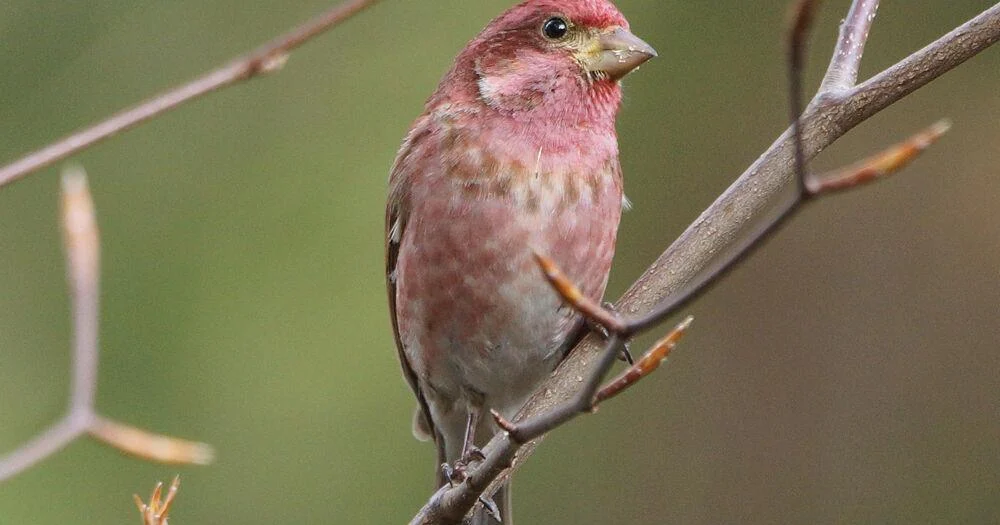
Wild finch migration patterns stopped me in my tracks the first time I watched a dense flock of Common Redpolls descend on my yard one January morning. One day nothing, the next day hundreds of tiny birds working through the birch tops. I'd never seen them before and haven't seen them since. That's the thing about finches: migration for them isn't the predictable north-to-south clock you see in warblers or waterfowl. It's driven by food, instinct, and survival pressure, and that combination makes it genuinely one of the most interesting stories in bird biology.
The wild finch migration story spans North America, Europe, and beyond, covering everything from short regional shifts to spectacular irruptions that push birds thousands of kilometers beyond their normal range. Here's how it breaks down.
Wild Finch Migration at a Glance
Before diving into the details, it helps to see the big picture. Wild finch migration patterns fall into three broad categories, and most finch species fit into at least one of them.
- Long-distance migrants. Species like Common Redpolls and Bramblings breed in subarctic zones and travel south each fall, sometimes crossing multiple countries.
- Short-distance and regional movers. Species like the American Goldfinch or Purple Finch shift within North America, tracking seed crops rather than following a rigid calendar.
- Irruptive species. Pine Siskins, Red Crossbills, and Evening Grosbeaks move unpredictably based on cone and seed crop failures, some years staying put, other years erupting across the eastern United States and Canada.
- Resident species. House Finches and some European Goldfinch populations stay put year-round when food sources are reliable enough to make migration unnecessary.
Most finches don't fit neatly into just one category. A Purple Finch population in New England might be highly migratory, while a population further south in the United States barely moves at all.
What Triggers Migration in Wild Finches
Migration doesn't start with the first cold snap. It starts weeks earlier, driven by a set of overlapping cues that prime the bird's body for the journey ahead.
- Shortening days. Reduced daylight hours trigger hormonal shifts in finches, increasing appetite and building up the fat reserves they'll burn in flight.
- Falling temperatures. While day length is the primary trigger, temperature reinforces the signal. The first hard frost in northern regions often accelerates departure timing.
- Seed availability. Many finches delay or skip migration entirely when local food remains plentiful. This is especially true for irruptive species, which move in response to crop failures rather than season.
- Inherited route memory. First-year birds fly migration routes they've never traveled before, guided by instinctive directional tendencies passed down genetically from their parents.
That last point is worth pausing on. Young finches don't follow experienced adults down a known route. They carry a biological map inside them from the moment they fledge, which explains why even juveniles can complete accurate long-distance migrations on their own.
Long-Distance Finch Migrants: Species Examples
A handful of finch species are genuine long-haul travelers, and each one handles the journey a little differently.
- Common Redpoll. Breeds in the boreal forests and tundra edges of Canada and northern Europe, then moves south in winter. Their migrations are nomadic rather than fixed: they follow birch and alder seed crops, which means their wintering range shifts dramatically from year to year. In irruption years, they reach deep into the eastern United States.
- Brambling. Europe's equivalent to a long-distance finch migrant. Bramblings travel from Scandinavian and Siberian breeding grounds to western and central Europe each fall. In beech mast failure years, their flocks can number in the millions concentrated in small areas.
- Twite. A lesser-known migrant that breeds on upland moors in Britain and Scandinavia, then moves to coastal saltmarshes in winter. Short by distance standards, but involving a meaningful habitat switch that reveals how precisely finches track environmental conditions.
What all three share is a willingness to travel further when conditions demand it. These aren't birds that commit to a fixed journey. They're opportunists shaped by millions of years of food-driven selection.
Irruptive Movements: When the Rules Break Down
Irruptions are what make finch migration genuinely unpredictable. In a good cone crop year, species like Red Crossbills, Pine Siskins, and Evening Grosbeaks may barely move. In a failure year, they can appear almost anywhere.
The key irruptive finch species in North America and their triggers:
- Red Crossbill. Entirely nomadic, following conifer cone crops across North America. Different types (ecotypes) of Red Crossbills specialize on different cone species, so their movements depend on which forest type is producing.
- Pine Siskin. A small, streaky finch that can be locally abundant one winter and completely absent the next. Irruptions often correspond to spruce and fir cone failures in the north.
- Evening Grosbeak. Historically irruptive across much of the eastern United States and Canada, though population declines since the 1980s have reduced the frequency and scale of irruptions.
- Common and Hoary Redpoll. Linked to birch and alder seed crops across the northern boreal zone. When those crops fail, redpolls move south in enormous flocks, sometimes reaching as far as the central United States.
Tracking irruptions is one of the most exciting parts of watching wild finch migration patterns unfold in real time. Organizations like the Winter Finch Forecast publish annual predictions based on northern seed crop surveys, giving birders a heads-up before birds actually arrive.
How Finches Navigate Long Distances
Navigation in small songbirds is one of the genuinely remarkable things in biology. Finches combine several systems at once to stay on course.
- The sun compass. During daylight, finches use the sun's position and their internal time sense to orient themselves relative to compass directions.
- Star patterns. Many nocturnal migrants, including some finch species, use the rotation of the night sky around the North Star as a directional reference.
- Magnetic field sensing. Finches carry magnetite crystals in their heads that detect Earth's magnetic field, giving them an invisible compass that works in any weather.
- Landscape landmarks. On shorter or more familiar routes, finches also rely on mountain ridges, coastlines, river valleys, and forest edges as visual guides.
The combination of these systems explains how a young Purple Finch hatched in New England can navigate to its wintering grounds in the southeastern United States without having made the trip before. If you're curious how finch species adapt to different climates at both ends of the journey, that adaptation layer is just as impressive as the navigation itself.
Weather's Role in Migration Success
Finches don't migrate on a fixed schedule. Weather shapes the timing, route, and success of every journey.
- Tailwinds. A good tailwind lets finches cover distance at a fraction of the normal energy cost. Many species wait for favorable wind conditions before setting off on major overwater or overland crossings.
- Storms and headwinds. Strong headwinds or storms can displace birds off their intended path, sometimes pushing them far east or west of normal routes. These weather displacements explain some of the rarer finch encounters birders get in unusual locations.
- Drought and early frosts. Weather events that reduce seed production mid-migration can force birds to extend their flights beyond typical wintering areas.
Male finches sometimes migrate earlier or later than females depending on species, which affects where and when you see them at feeders in the United States and Canada.
Human Influence on Wild Finch Migration
Two things humans have done have measurably changed wild finch migration patterns: we've destroyed habitat, and we've put out a lot of birdseed.
Habitat loss matters most at stopover sites. Migratory finches need seed-rich areas to rest and refuel mid-journey. When forests get fragmented or agricultural fields convert to development, those fueling stations disappear. The effect compounds over long routes where birds need multiple stops.
On the other side, backyard feeders have provided a consistent food source that some finch populations now rely on. Some American Goldfinch and House Finch populations in the eastern United States now winter further north than they historically would, because feeders make the cold season survivable without traveling. This is one reason understanding whether wild finches should be kept as pets matters too: wild finch populations that become feeder-dependent are still wild birds with wild needs, not candidates for captivity.
Conservation Pressures on Migrating Finches
Migration is the most dangerous period in a wild finch's life. The risks stack up at every stage of the journey.
- Habitat loss at stopover sites. Fragmented landscapes leave fewer places to rest and refuel, especially for birds crossing open terrain.
- Climate mismatch. As temperatures shift, the peak seed production at traditional wintering sites may no longer align with when finches arrive. Arriving too early or too late means missing the food window.
- Building collisions. Reflective glass and artificial lighting disorient nocturnal migrants. Tall buildings in urban areas along major migration corridors account for millions of bird deaths across North America each year.
- Population declines in irruptive species. Evening Grosbeaks have declined sharply in parts of their range, likely due to a combination of habitat change and logging practices that reduce mature spruce-fir forests.
Researchers use banding data, radar, and citizen science platforms to track how these pressures are affecting finch populations over time. Long-term monitoring is how we'll know whether conservation efforts are actually working. The same data that maps how to identify finch species by their song at your feeder is useful to researchers building population trend models.
FAQs: Wild Finch Migration Patterns
Here are the questions I get most often about how and why wild finches migrate.
Do all finches migrate?
No. Migration varies widely by species and even by population within a species. House Finches in the southern United States rarely migrate at all. A Purple Finch in northern Canada may travel over 1,000 miles south each winter. Irruptive species may not migrate in most years and then move long distances in response to food shortages.
What makes irruption years happen?
Irruptions are driven by seed and cone crop failures in the boreal forests of Canada and northern Europe. When the food supply collapses in the north, species like Pine Siskins and Red Crossbills have no choice but to search further south and east. You can often predict a major irruption year by watching reports from northern birders in late summer about whether spruce and birch crops are poor.
How do young finches know where to migrate the first time?
First-year birds carry an inherited directional tendency that points them roughly the right way for roughly the right distance. It's not a precise map, but it gets them close enough that they can learn landmarks and refine their route on subsequent journeys. Data from banding studies across North America shows that young birds do navigate independently and successfully on their first migrations.
Can I attract migratory finches to my yard?
Yes, especially during irruption years. Nyjer (thistle) seed is the most reliable draw for siskins and goldfinches. Black-oil sunflower seed brings in Pine Siskins and Purple Finches. Keeping feeders stocked from October through April and having birch or alder trees nearby increases your chances significantly. Check the annual Winter Finch Forecast before each season to know which species are likely to move through your area.
The Bigger Picture
Wild finch migration patterns are a window into how small birds manage enormous ecological pressures. They navigate without GPS, fuel up on seeds they find on the fly, and adjust their routes based on conditions their ancestors faced for thousands of years. Watching a flock of Pine Siskins work through a spruce tree or seeing the first Purple Finch of the season at a feeder feels small in the moment, but it's connected to a continental-scale story that plays out every fall and spring. The more you understand the patterns behind those encounters, the more interesting every sighting becomes. If you want to go deeper on wild finch biology, the guide to finch hybrids and crossbreeding ethics is a good next step into how species boundaries in this family are more fluid than you'd expect.