
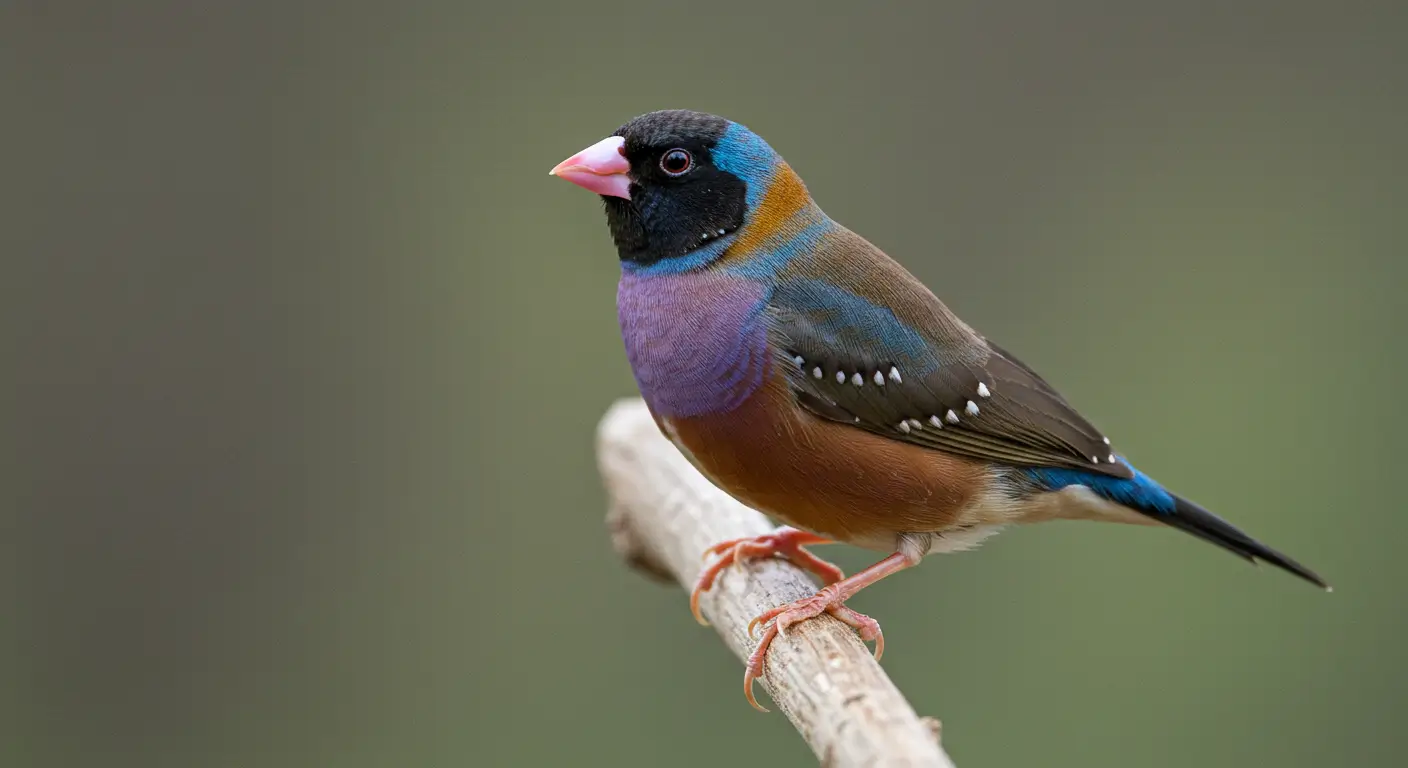
My finches taught me something I didn't expect when I first set up their aviary: they run on rhythm. Not just sunrise and sunset, but the whole texture of the day. When I got inconsistent, so did they. Quieter singing, duller feathers, more squabbling. Once I locked in a real routine, those things reversed. What follows is the full daily schedule I rely on now, broken into time blocks, with weekly and monthly add-ons that keep the whole system running smoothly.
Why Routine Matters for Finches
Finches are prey animals. In the wild, unpredictability means danger, so they're wired to read patterns for safety. A consistent schedule tells your birds the world is stable. That security shows up directly in their mood, their singing, and their physical health. Irregular habits create low-grade stress that chips away at everything from feather quality to immune function. Getting the daily habits right is genuinely the highest-leverage thing you can do as a keeper.
Morning Checklist
Morning is peak activity time for finches. They wake ready to sing, forage, and explore, so the first 20 minutes set the tone for the whole day. Work through these in order before you do anything else.
- Health scan. Before touching food or water, take 60 seconds to observe every bird. Note posture, eye brightness, breathing, and whether anyone is sitting low or puffed. Early illness shows here first.
- Remove overnight food. Pull anything perishable left from the evening before. Soft foods, greens, and fruit can harbor bacteria overnight.
- Refresh seed and pellet mix. Scoop out seed hulls and top up with fresh mix. Hulls look like full seeds but are empty. Check that pellets haven't gone damp.
- Change water completely. Empty, rinse, and refill the water dish with clean fresh water. Finches contaminate water fast, so a fresh start each morning matters. For more detail on feeding quantities, see how much finches should eat each day.
- Open curtains gradually. Bring in natural light slowly to mirror sunrise. A sudden flood of bright light stresses them. Understanding how lighting affects finch behavior will help you dial this in for your specific setup.
- Quick cage floor check. Scan for unusual droppings (color, consistency, or excess water) and remove any debris from the overnight hours.
The whole morning check-in takes about 10 to 15 minutes once it becomes habit. Think of it as the most important 15 minutes of your finch's day.
Midday Checklist
Midday is a quieter stretch. Finches typically rest, preen, and forage casually. Your tasks here are lighter, focused on maintenance and enrichment rather than full resets.
- Remove fresh food remnants. Any greens, egg food, or fruit offered in the morning should come out now before they spoil.
- Spot clean the cage floor. A quick sweep of the tray or liner removes the morning's droppings and keeps odors from building. This makes weekly deep cleans much easier.
- Check water again. Finches drop feathers, seed hulls, and dust into water bowls throughout the morning. Refresh if it looks murky.
- Rotate or add enrichment. Clip a spray of millet to the bars, move a swing to a new spot, or introduce a fresh branch. Novelty at midday gives birds something to investigate during their afternoon energy window.
- Quick behavior check. Look for anyone isolating, sitting on the floor, or breathing with visible effort. Midday is a good second pass on health.
Midday tasks take five minutes, maybe ten. The enrichment rotation is the most important one for mental health and keeping boredom from settling in.
Evening Checklist
Evening is the wind-down. Your goal is to prepare the birds for real sleep, which means reducing stimulation and setting conditions for a full overnight rest.
- Offer a small fresh food serving. A pinch of greens or a few pieces of safe fruit given early evening adds nutritional variety. Remove any uneaten portion before lights out so nothing spoils overnight.
- Place the bath dish. Finches often bathe in late afternoon when temperatures are still comfortable. Set out a shallow dish, let them use it, then remove it before evening to keep the cage dry overnight.
- Final food and water check. Make sure seed and water levels are adequate for early morning. They wake up hungry.
- Begin dimming light. About an hour before you want them settled, reduce light levels gradually. If you use artificial lighting, a timer on a dimmer avoids sharp cutoffs. Match the pattern to the season as much as you can.
- Reduce room activity. Lower voices, turn off loud screens near the cage, and minimize foot traffic. Finches need quiet to shift into sleep mode.
- Cover the cage (optional). If your household stays active late into the evening, a breathable cover signals darkness and reduces disturbance. Not mandatory, but very useful for late-night households.
An evening routine that takes 10 minutes now pays off in calmer, healthier birds over months. Consistent sleep quality directly affects singing, feather condition, and immune strength.
Sample Day at a Glance
Here's how the full day sequences together in my aviary, from first light to lights out.
- 7:00 am: Health scan, remove overnight food, refresh seed and water, open curtains.
- 12:00 pm: Remove morning fresh foods, spot clean the tray, refresh water, add midday enrichment.
- 4:30 pm: Set out the bath dish, offer a small fresh food serving.
- 5:30 pm: Remove bath dish and any leftover fresh food.
- 7:30 pm: Final seed and water check, begin dimming lights, reduce room activity.
- 8:30 pm: Lights out or cover applied. Finches settle for the night.
Your exact times will shift with the season and your household schedule. What matters is the sequence, not the clock.
Weekly Add-Ons
Daily tasks handle the basics, but a handful of weekly habits prevent problems that daily checks won't catch. Work these in across the week rather than stacking them all on one day.
- Full cage clean. Remove all accessories, scrub the base, bars, and tray, replace the liner or bedding, and reassemble with clean perches and toys. For specifics on what this involves and how often to scale up, the guide on how often to clean your finch's cage covers the full breakdown.
- Perch and toy inspection. Look for frayed ropes, cracked wood, rough edges, or loose parts. Replace anything that could snag a nail or cause injury.
- Thorough health review. Spend a few focused minutes watching each bird. Check feet, feathers, weight (does anyone look thin?), and social behavior. Weekly observation makes individual changes easier to catch. Cross-reference against a complete finch health checklist if you want a structured guide.
- Food stock review. Check seed freshness, restock any running low, and rotate any open packages to prevent rancidity.
- Cage accessory rotation. Swap out one or two items from a small reserve of perches, toys, or branches. Novelty prevents boredom without requiring new purchases every week.
Weekly tasks are where you get ahead of problems rather than reacting to them. Twenty minutes once a week makes a real difference.
Monthly Add-Ons
Monthly tasks are the big-picture layer. These don't need to happen every week, but skipping them for too long lets slow-developing issues go unnoticed.
- Deep disinfect. Go beyond a regular clean: soak the tray and removable parts in a bird-safe disinfectant solution, rinse thoroughly, and allow everything to dry fully before reassembling.
- Nail and beak check. Overgrown nails catch on perches and can cause injury. Most finches who use natural branch perches wear their nails down naturally, but check anyway. If anything looks long or curved, consult an avian vet rather than trimming at home.
- Cage structure audit. Check bar welds, door latches, and any plastic components for wear or cracking. A small gap that didn't exist last month can become an escape route or a hazard.
- Diet review. Look honestly at what your birds are actually eating versus what you're offering. Adjust the balance if they're ignoring pellets or picking around certain foods. Seasonal changes often call for diet shifts too.
- Environment assessment. Consider light, temperature, and airflow as seasons change. What worked in winter may not work in summer. Make adjustments before the birds start showing stress rather than after.
The monthly review is your chance to step back and see the whole picture. Build it into a standing calendar reminder so it doesn't slip.
FAQs: Daily Finch Care Routines
These are the questions I hear most often from new finch keepers working to establish their first real routine.
How long does the daily routine actually take?
Morning tasks run about 10 to 15 minutes. Midday is closer to 5. The evening wind-down is another 10. On a full day with no complications, you're looking at 25 to 30 minutes total, spread across the day.
What if I miss a day or my schedule shifts?
One off day won't derail healthy birds. The goal is consistency over weeks and months, not perfection every 24 hours. If your schedule changes temporarily, prioritize the morning health scan and water refresh above everything else.
Do finches really need a set bedtime?
Yes, consistently. Finches need 10 to 12 hours of darkness for proper rest. Irregular sleep schedules affect their hormones, immune function, and singing. Keeping lights and activity on a predictable cycle is one of the simplest things you can do for long-term health.
When is the best time to add fresh foods?
Morning works best for most fresh items since birds are most active then and you can remove leftovers by midday before anything spoils. A small fresh offering in early evening is fine too, as long as you pull it before lights out.
The Routine Is the Care
When people ask me what the single most important thing is for keeping finches well, I don't say a specific food or a particular cage size. I say: be consistent. A finch living in a truly predictable environment, with reliable food, clean water, steady light cycles, and a keeper who shows up on the same schedule every day, will outperform a bird in a "perfect" setup that lacks routine. The structure itself is the care. Once your habits are locked in, it runs on autopilot, and the birds will show you every day that it's working.