
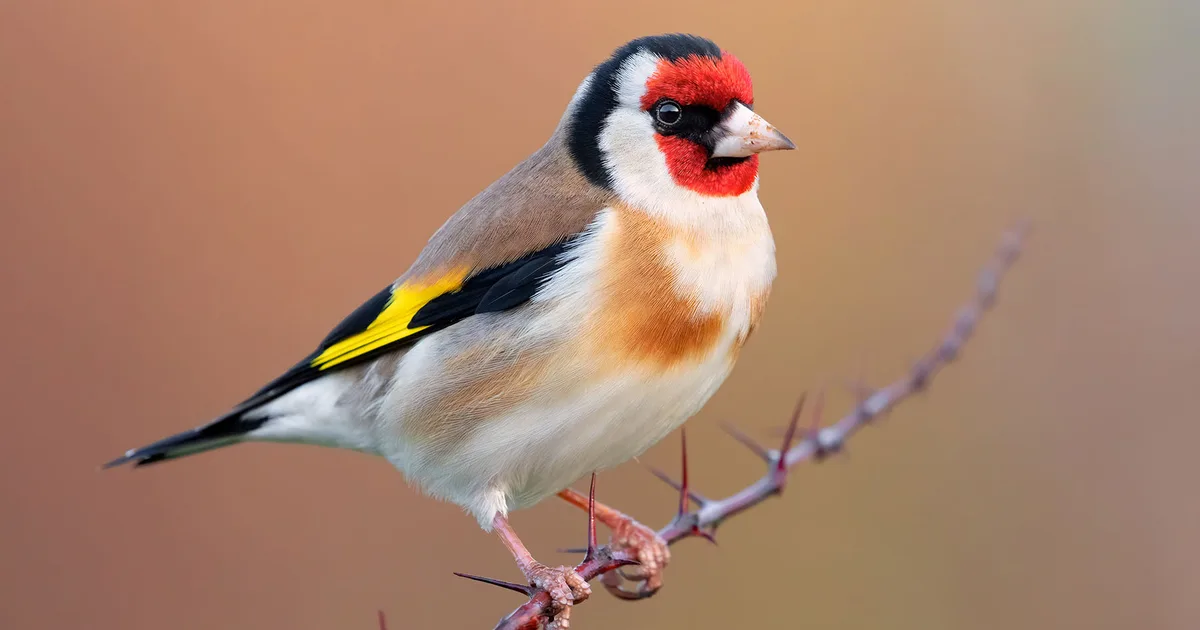
The door swings open for half a second and your finch is gone. It happens that fast. If you're reading this mid-escape, breathe. The way you handle the next few minutes matters more than the escape itself, and panicking is the one thing guaranteed to make it worse. Finches move on instinct, and your job is to slow the situation down so their instinct works for you, not against you.
I've lost birds to open windows, a distracted moment during cleaning, and one very bold finch who pushed through a latch I thought was secure. Every time, the recovery came down to the same handful of moves done in the right order. Here's what I do.
First 60 Seconds: Contain the Space
Before you go after the bird, lock down the room. These are your immediate priorities:
- Close every door leading to other rooms, hallways, or the outdoors.
- Shut any open windows or block gaps around screens.
- Turn off ceiling fans immediately. A loose finch and a spinning fan is a serious hazard.
- Remove or contain other pets. A dog or cat in the room will spike your finch's fear and make recovery much harder.
- Turn off loud appliances. TVs, radios, and anything generating sudden noise works against you.
Once the space is contained, stop moving. Stand still for 30 seconds and let the bird find a perch. A finch that's still airborne is reacting. Once it lands, you have a chance to work with it.
The Indoor Recovery Plan
This is the sequence I follow every time a bird gets loose inside. Work through it in order and don't skip steps.
- Let the finch land and settle. Watch from a distance without approaching. Finches naturally fly to high spots because height feels safe. Give it two to three minutes to land and stop fluttering.
- Note where it perched. Keep the bird in sight but don't crowd it. Mark the spot mentally so you don't lose track if it moves.
- Open the cage door and place it nearby. Position the bird cage within the finch's line of sight, door fully open. The cage represents home, routine, and food, and most birds will gravitate toward it once they calm down.
- Add fresh seed or millet to the cage. The sound of seed hitting a cup and the sight of food inside the familiar bird cage is one of the strongest draws you have. Spray millet is especially effective because birds recognize it by sight and smell.
- Use sound if you have other birds. The calls of flock-mates are a powerful pull. If you have other finches, let them chirp naturally. Don't shake the cage or stress them, just let the ambient sound do the work.
- Reduce light in the rest of the room. Dimming the area away from the cage and leaving the cage area brighter draws the bird toward the lit, familiar space.
- Wait. Sit still and be patient. Most indoor recoveries happen within 15 to 45 minutes when the finch isn't being chased. Slow patience beats fast pursuit every time.
- If the finch won't enter the cage on its own, use a soft towel. Only if the bird is exhausted or cornered. Drape the cloth loosely to scoop, not grab. Transfer directly to the cage and check for injury before closing the door.
Avoid reaching for the bird unless it's truly cornered or injured. Finch bones are small and fragile. A startled catch causes more harm than a longer, calmer recovery.
When the Escape Is Outdoors
An outdoor escape raises the stakes. Open sky, wind, predators, unfamiliar sounds, and no ceiling to limit flight. The instinct is to run after the bird but don't. Here's what actually works:
- Stay where you are. Mark the spot where you last saw the finch and stay close to it. Finches that get lost outside often circle back to the last familiar landmark they saw.
- Bring the cage outside. Set it in the open, door wide, with fresh seed inside. The sight of a familiar structure is an anchor, especially for indoor-raised birds who don't know how to navigate outside.
- Use flock calls. If you can position another bird's cage nearby safely, the sound of companion calls is your best tool outdoors. Escaped finches respond to flock noise more reliably than to food alone.
- Watch nearby bushes and low trees. A scared finch will often shelter in dense foliage close to where it landed. Scan the area quietly rather than moving through it.
- Avoid large movements and crowds. Every person trying to "help" by walking toward the bird adds pressure. Keep helpers still or send them elsewhere.
- Return at dawn if the bird roosts overnight. Birds are most active and most responsive in the first hour after sunrise. If the finch didn't return by dark, check the same area at first light with the cage set out and fresh food inside.
Indoor-raised finches often stay within a 50-foot radius of where they first flew out. They aren't equipped for wild conditions and their instinct is to find shelter and familiar company quickly. That works in your favor.
After the Bird Is Back: Recovery Care
The escape isn't over when the finch returns to the cage. A bird that's been loose, scared, and physically exerted needs time to recover. Watch for these signs of post-escape stress in the first 24 hours:
- Rapid or labored breathing.
- Fluffed feathers with eyes half-closed.
- Refusal to eat or drink.
- Shaking or trembling on the perch.
- Sitting on the cage floor.
Some of these are normal immediately after the adrenaline of the escape and will resolve within an hour or two. If they persist past a few hours, or if you notice anything that looks like injury from the chase, call an avian vet. These are the same early warning signs to know from recognizing stress in your finch before it becomes a health issue.
For the recovery period, dim the cage area, minimize foot traffic, and skip handling. Fresh water and food should be available, but don't pressure the bird to eat. Give it a quiet 12 to 24 hours to settle before returning to normal routines.
Preventing the Next Escape
Every escape is a gap in a system. After any incident, do a full audit. Here's what to look for:
- Cage latches. Test every latch with light pressure. Some finches learn to work simple hook latches open with their beaks. Upgrade to a clip or locking latch if the original feels flimsy.
- Bar spacing. Small finches can squeeze through gaps wider than a quarter inch. Measure bar spacing if you're using a cage not designed for finches.
- Window screens. Screens should be tight, with no torn edges or gaps at the frame. Never open a window in a room where birds fly free without checking the screen first.
- Cleaning routines. Most escapes happen during cage cleaning, when doors are open and attention is split. Build a habit: close room doors before you open the cage door, every single time.
- Visitor awareness. Guests and children don't know the rules. Brief anyone who enters the bird room before they get near the cage.
- Double-door entry. For an aviary or a dedicated bird room, a double-door entry (a small vestibule between two doors) almost eliminates accidental escape. It's worth building if your setup allows it.
A fully safe environment for your finch takes some upfront setup, but it dramatically reduces the conditions that lead to escapes in the first place.
The Free-Flight Question
Some owners let their finches fly loose in a room on purpose. That's a different situation from an accidental escape, but the same hazards apply. If you're considering intentional free flight, letting finches fly free in your home takes specific preparation: a dedicated room, no ceiling fans, covered mirrors, and a bird that's calm enough to handle the stimulation. Free flight for stressed or skittish birds tends to go badly. And a finch that's kept with a companion is generally more settled and less likely to bolt unpredictably when the cage door opens.
FAQs: Escaped Finches
These are the questions I hear most often when a bird gets out.
How long can a finch survive outside?
Indoor-raised finches aren't equipped for wild life. Survival outside depends heavily on temperature, predators, and access to food and water. In warm weather with shelter nearby, some birds are recovered within a few days. Cold nights are the biggest threat. Act quickly and don't assume extra time makes recovery more likely.
My finch flew outside and I can't see it. What should I check first?
Start close to the escape point. Check dense low bushes, window ledges, and the eaves of the house. Set the cage outside with seed and leave the area quiet. Return at first light the next morning if the bird doesn't come down before dark.
Can I use a net or a trap to catch an escaped finch?
A live trap baited with seed or millet can work, especially outdoors where you can't approach the bird directly. A fine-mesh net can catch a bird quickly but risks injury and should only be used as a last resort by someone who knows how to handle it safely. The cage-with-open-door method is slower but safer for the bird.
Should I call my finch by name?
Finches aren't trained to names the way parrots are, so calling a name won't trigger a recall response. What works better is playing recordings of finch calls, tapping a seed cup, or positioning companion birds to chirp naturally. Sound the bird already recognizes is far more effective than your voice alone.
It Happens. What Matters Is What Comes Next
A finch escape is stressful every single time, but the outcome is almost always determined by how calm and methodical you stay in the first few minutes. Contain the space, let the bird settle, and bring the familiar to it rather than chasing it toward the unfamiliar. Prevention comes after recovery, once you know where the gap was. Fix the gap, strengthen the routine, and the chances of a repeat drop significantly.