
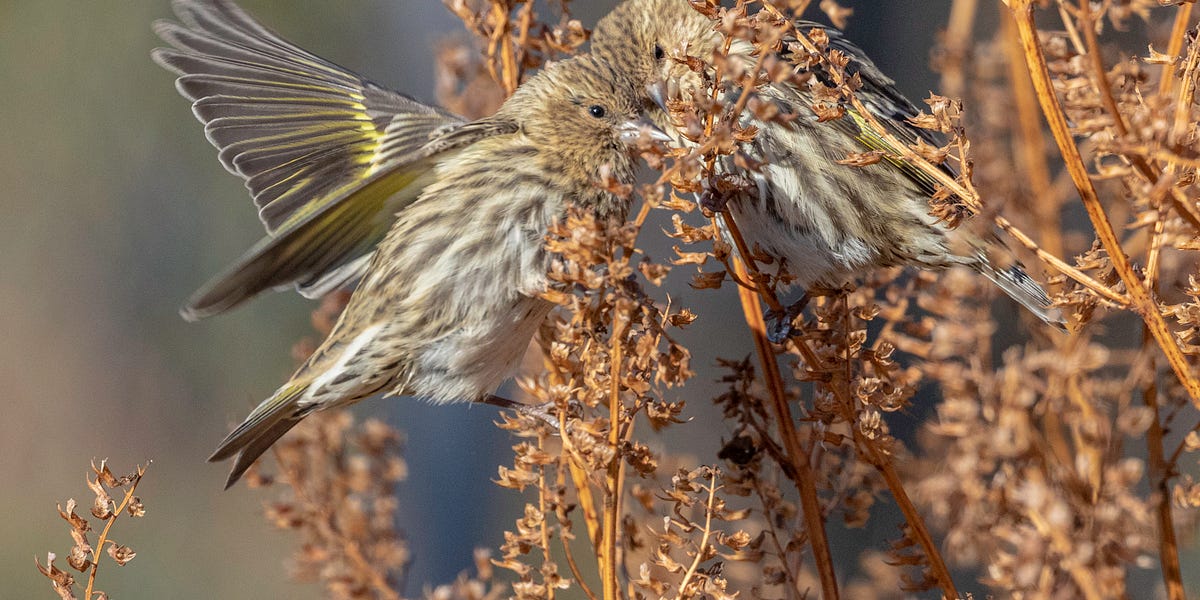
Building my own finch cages started as a practical decision and turned into something I genuinely look forward to. A store-bought cage gets the job done, but once you've built your own, the difference in flight room, ventilation, and the ability to shape every inch to your birds' preferences is hard to go back from. These five DIY finch cage builds range from beginner-friendly afternoon projects to weekend aviaries, and each one can be assembled with materials you can pick up at a hardware store without any specialized woodworking skills. I've built all of them at some point, and every version made my finches noticeably more active and vocal than the commercial cages they replaced.
Before you start, confirm that your planned dimensions give finches proper flight room, at least 30 inches of horizontal length per pair. Once the structure is sorted, you can move on to the fun part.
Build 1: Wooden Frame Flight Cage
Difficulty: Beginner. Build time: 4 to 6 hours.
This is my go-to recommendation for anyone building their first DIY finch cage. The design is a simple rectangular frame wrapped in welded wire mesh, and it gives you full control over length. That horizontal stretch matters more to finches than height since they fly back and forth, not up and down.
What you'll need:
- Untreated pine or hardwood boards (four long, four short for the frame).
- Welded wire mesh with openings no larger than 1/2 inch.
- Heavy-duty staples or screws with washers to secure the mesh.
- Plywood or a repurposed plastic tray for the base.
- Bird-safe water-based sealant for any exposed wood interior surfaces.
- Basic hinges and a latch for the access door.
How to build it:
- Cut boards to your target dimensions, aiming for at least 36 inches in length to give finches real flight room.
- Assemble the rectangular frame and reinforce each corner joint with screws.
- Cut mesh panels to fit each side, top, and back, then secure them with heavy-duty staples or screws and washers.
- Seal all interior wood surfaces with a bird-safe finish and let it cure fully before birds go in.
- Build or attach a front access door using a hinged mesh-framed panel and a latch.
- Drop in the base tray, add paper or safe finch bedding, and hang your perches.
The finished cage looks tidy, functions like a proper flight space, and takes about a weekend morning to put together. I usually add a few natural branches along the interior panels once the birds are settled.
Build 2: PVC Pipe Aviary Frame
Difficulty: Beginner. Build time: 2 to 4 hours.
PVC is the most forgiving material on this list. It cuts with a basic handsaw, the joints press together without tools, and the whole structure stays light enough to move around for cleaning. I use this design when I want a larger aviary footprint without the weight of a wooden frame.
What you'll need:
- 1-inch PVC pipe in your preferred lengths (measure your target dimensions first).
- PVC T-joints and elbow connectors to match your frame shape.
- Welded wire mesh (1/2-inch openings or smaller).
- Zip ties, spaced every few inches to prevent mesh gaps.
- A plastic storage bin or shallow wooden tray for the base.
- A lightweight hinged door panel made from mesh and a simple PVC frame.
How to build it:
- Measure and cut PVC pipe segments for all sides, using T-joints at corners and elbows at top edges.
- Dry-fit the entire frame on the floor before pressing joints together permanently.
- Wrap cut mesh panels around each face of the frame and attach with zip ties every 4 to 6 inches.
- Trim any zip tie tails flush so no sharp ends face inward toward the birds.
- Build a door panel from a small PVC rectangle wrapped in mesh, attach with zip ties that act as hinges, and add a clip closure.
- Slide the base tray underneath and set the aviary in place.
The big advantage here is fresh air and portability. A PVC aviary can be built wide enough for multiple pairs and still picked up easily for a weekly cleaning session. It doesn't warp or absorb moisture, and it lasts for years with almost no maintenance.
Build 3: Upcycled Bookshelf Cage
Difficulty: Intermediate. Build time: 6 to 8 hours.
A solid bookshelf gives you a ready-made structure with shelves that can become separate zones: one level for flying, one for foraging, one for nesting. This is the build that surprises people most. It ends up looking like a piece of furniture rather than a cage, which is genuinely useful if you're keeping birds in a living room.
What you'll need:
- A solid wood bookshelf with at least three shelves (avoid particle board, which absorbs moisture).
- Welded wire mesh panels for the back and sides.
- A jigsaw or oscillating tool to cut ventilation sections.
- Bird-safe water-based sealant for all interior surfaces.
- Custom-cut plastic or plywood trays for each shelf level.
- Hinges, a latch, and a wooden mesh-framed front door.
How to build it:
- Remove or cut the back panel into ventilation windows and cover each opening with welded mesh secured with staples.
- Open the side panels in the same way, or replace them entirely with mesh frames if airflow is a priority.
- Seal every interior surface with bird-safe sealant and let it cure for 48 hours.
- Cut custom trays to fit each shelf level so droppings are easy to pull out and clean.
- Build a full-height front door from a wooden frame wrapped in mesh, attached with two or three hinges and a latch.
- Install perches, branches, and accessories once the sealant is fully cured and dry.
After decorating the inside of your converted shelf, you end up with a themed habitat that's as enjoyable to look at as it is for the birds to live in.
Build 4: Hardware Cloth Indoor Aviary
Difficulty: Intermediate. Build time: One full day.
Hardware cloth is galvanized welded mesh sold in rolls at any hardware store. It's rigid enough to hold its shape without a dense frame, which makes it ideal for large walk-in or wall-hugging aviaries. This is the build I'd recommend when you want maximum flight space and aren't worried about portability.
What you'll need:
- Hardware cloth in 1/4-inch or 1/2-inch mesh (a full roll gives you flexibility in cutting).
- A simple wooden or PVC skeleton frame to give the cloth its shape.
- Screws with large washers to attach cloth panels flush to the frame.
- Tin snips or aviation snips for clean cuts.
- A large plastic storage tray or custom-built wooden platform for the floor.
- Strong hinges and a locking clasp for the front access panel.
How to build it:
- Build or assemble the skeleton frame in the chosen room, against a wall for stability if the aviary is large.
- Cut hardware cloth panels to size using tin snips and smooth any sharp wire edges by folding them inward.
- Attach panels to the frame with screws and washers, working from the back wall forward.
- Cut and attach the roof panel last, using the same method.
- Build the front access door from a mesh panel on a hinged wooden border, wide enough for easy entry when cleaning.
- Set the floor tray in place, add bedding, and install branches, perches, and food stations before introducing birds.
Temperature matters inside a large enclosed aviary. Keep the room between 65 and 80 degrees Fahrenheit and make sure the aviary isn't sitting directly in a sun beam that could overheat one side. Beyond that, the depth and floor area of this design give finches more room to fly than anything else on this list.
Build 5: Repurposed Cabinet Cage
Difficulty: Intermediate to Advanced. Build time: 8 to 12 hours.
A solid wood cabinet converts into one of the most polished finch enclosures you can build. The exterior looks intentional, the structure is already rigid, and many cabinets come with built-in storage underneath that holds supplies. The main work is converting the front doors and sealing the interior to handle humidity and droppings long-term.
What you'll need:
- A solid wood cabinet (avoid MDF and particle board for the same moisture reasons as the bookshelf build).
- Welded wire mesh panels for the doors and any ventilation sections.
- A jigsaw to cut door openings and ventilation windows.
- Bird-safe water-based sealant for interior surfaces.
- LED panel lights for the top interior (cabinets block natural light).
- A removable tray for the floor and caster wheels to allow easy rolling.
- Hinges, latches, and mesh-framed replacement doors.
How to build it:
- Remove the original doors and set them aside or discard them.
- Cut large openings in the door frames, leaving a border of at least 2 inches, then fill each opening with welded mesh secured to the frame.
- Cut ventilation sections into the top and sides of the cabinet body if airflow is limited.
- Seal every interior surface with bird-safe sealant and let it cure for a full 48 hours.
- Install LED panel lights along the top interior edge to create even daylight-quality light without heat.
- Attach caster wheels to the base for mobility, then add the floor tray, accessories, and natural perches before adding birds.
Once finished, the cabinet sits in the room as a piece of furniture. Pair it with natural perches instead of dowels and the birds have a habitat that genuinely supports their foot health and natural behavior.
Safety Basics for Every Build
Whichever design you choose, a few rules apply across the board. Skipping any of these can turn a beautiful build into a hazard.
- Use welded wire mesh, not woven or plastic-coated mesh that finches can chew through or get caught in.
- Keep all mesh openings at 1/2 inch or smaller to prevent escapes and head-trap injuries.
- Seal any raw interior wood before birds go in. Bare wood absorbs droppings and harbors bacteria over time.
- Never use galvanized wire that's been freshly cut without smoothing the edges. Sharp ends can injure feet.
- Avoid cedar and pressure-treated lumber. Both release compounds that are toxic to birds.
- Make sure fresh air can circulate. Enclosed builds like the cabinet and bookshelf need mesh sections large enough to prevent stagnant air buildup.
After the structure is sound, the next step is thinking through what goes inside. A well-built cage with poor interior setup still undersells the birds. Check out our guide on setting up the perfect finch cage once your build is done.
FAQs: DIY Finch Cage Builds
Here are the questions I get most often when people start planning their first build.
What is the minimum size for a DIY finch cage?
For a single pair, aim for at least 30 inches long, 18 inches deep, and 18 inches tall. Finches fly horizontally, so prioritize length over height. Bigger is always better, and the wooden frame and PVC builds on this list are easy to scale up.
Is PVC safe for finches?
Yes, standard PVC pipe is safe for finches. It doesn't off-gas anything harmful at room temperature, doesn't splinter, and doesn't absorb droppings. Avoid burning or sanding PVC, which does release fumes. For the cage structure itself, it's a solid choice.
Do I need to treat the wood inside the cage?
Always seal raw interior wood with a bird-safe, water-based finish before adding birds. Bare wood soaks up moisture, bacteria, and droppings, which leads to odors and potential health issues. Let the sealant cure for at least 48 hours and air out the cage before introducing finches.
Can I build a DIY cage large enough for multiple pairs?
Absolutely. The PVC aviary and hardware cloth aviary designs scale up easily. For multiple pairs, add at least one extra nest box and feeding station per pair, and give each pair enough perch territory so dominant birds aren't blocking access to food and water.
Your Next Build Is the Best One
Every cage I've built has been better than the last because I learned what my birds actually used. Start with the wooden frame or PVC build if this is your first project. They're forgiving, fast, and give you a real sense of what size and layout your finches respond to. Then you can scale up to the bookshelf, cabinet, or full indoor aviary when you're ready for something more ambitious. The materials are inexpensive, the skills are learnable in an afternoon, and the result is a habitat built around your specific birds rather than a generic cage built around shelf space.