
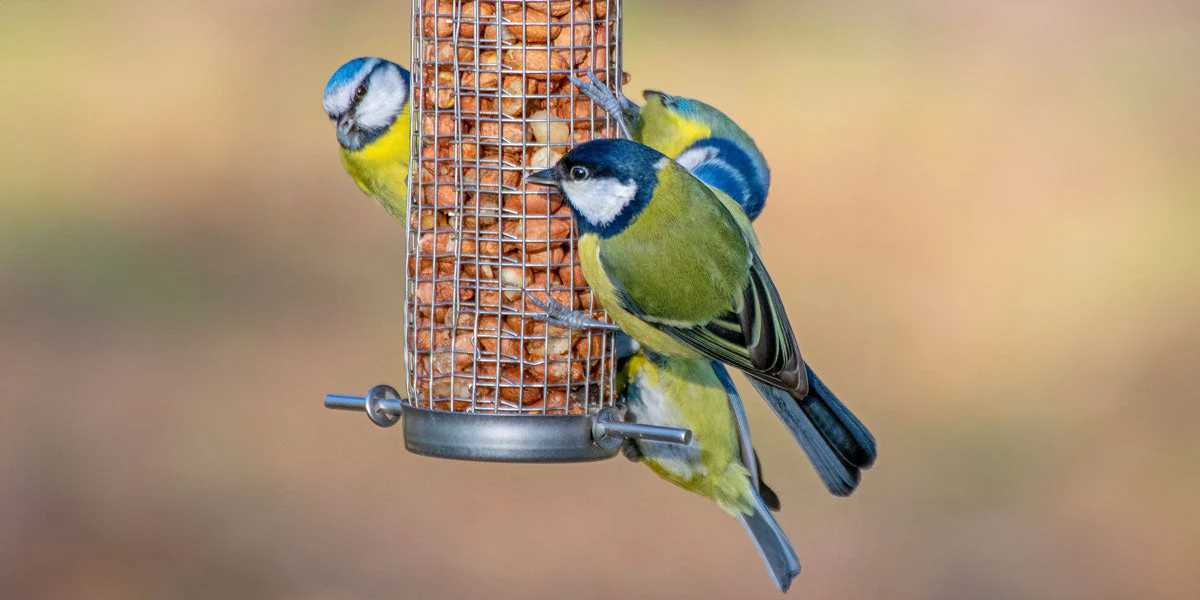
After keeping finches for years, one truth has stayed consistent: the seed mix you pick matters more than almost any other single decision in their daily care. I've watched birds on poor-quality blends go dull, listless, and quiet within weeks. Swap in the right finch seed mix and they're back to foraging, singing, and looking sharp in under a month. This guide breaks down exactly what a good mix contains, what to skip, and how to read a label before you spend a dollar.
What a Good Finch Seed Mix Contains
Quality finch seed mixes are built around a small number of seeds that match the size of a finch's beak and their natural foraging preferences. Each ingredient should earn its place. Here's what a solid blend includes:
- Canary seed. The backbone of any serious finch seed mix. It's mild, easy to crack, and delivers steady carbohydrates and a reliable dose of protein without overwhelming small digestive systems.
- White millet. The most widely accepted seed among finches. White millet supports digestive health and is one of the first seeds birds go for in any blend.
- Red millet. Adds variety and slightly different nutrients compared to white millet. Birds tend to pick through a mix more actively when both types are present.
- Golden or Japanese millet. Rounds out the millet lineup. Multiple millet types encourage natural foraging behavior and reduce the monotony that leads to picky eating.
- Niger (nyjer) seed. A small oil seed that delivers fats essential for feather health and skin condition. Especially valuable during molt. Keep it as an accent, not a bulk ingredient.
- Flaxseed or rapeseed. Additional oil seeds that support feather shine. Again, small amounts in the blend are ideal.
- Sprouted seeds (optional but excellent). Some premium mixes include lightly sprouted seeds, which are more bioavailable and easier on digestion. These are especially good for breeding pairs and growing chicks.
A mix built on these ingredients covers the core nutritional bases without overloading on fat or bulk. If you want to understand how seed fits into the bigger picture, my post on nutritionally balancing your finch's diet walks through the full framework.
Seeds and Fillers to Avoid
Commercial bird food marketed for finches often contains ingredients that look like value but are actually dead weight. Finches are small birds with specific preferences, and a mix loaded with filler means they'll dig past the junk looking for what they actually want, wasting food and missing nutrients. Avoid these:
- Cracked corn. Too large for most finches to manage comfortably. They ignore it, it sits in the feeder and goes stale, and it dilutes the mix.
- Large sunflower seeds. Parrots and larger birds can crack sunflower. Most finches can't. Any mix labeled for "all birds" and heavy in sunflower is not a finch mix.
- Oversized grains and generic "mixed bird seed." Blends formulated for wild bird feeders or general-purpose feeding are designed for a range of species, not small finches. The grain ratios are wrong.
- Artificial coloring or coatings. Some seed mixes add dyes or vitamin sprays on the shell. Finches hull most seeds before eating, so the coating ends up on the cage floor, not in your bird.
- Dust and broken seed fragments. High levels of dust and broken pieces signal poor handling or stale stock. Clean, whole seeds store better and deliver more nutrition.
The simplest rule: if the mix was clearly designed for larger birds and reformatted with a "finch" label slapped on, skip it. Finches deserve a mix built for them, not a downsized parrot blend.
How to Read a Seed Mix Label
Most of the information you need is right on the bag, if you know what to look for. Here's a quick process I use at the store:
- Check the ingredient order. Ingredients are listed by weight, highest first. Canary seed and millet varieties should appear at the top. If cracked corn or sunflower leads the list, put the bag back.
- Count the seed types. A good finch mix includes at least four to six distinct seeds. A two- or three-seed blend isn't giving your birds nutritional variety.
- Look for specificity. "White millet," "red millet," and "canary grass seed" are better signs than vague labels like "mixed grains" or "small seeds."
- Inspect through the bag. If you can see the contents, look for clean, intact seeds with consistent color. Heavy dust, large irregular pieces, or visible debris are red flags.
- Check the freshness seal. A resealable, freshness-sealed bag keeps seeds from going rancid. Loose or poorly sealed packaging degrades quality fast.
- Verify the target bird. The label should say "finch" or "canary" specifically. Avoid anything that says "all birds" or lists a long range of species it serves.
One thing labels won't tell you: how your birds actually respond. I always monitor for changes in energy, feather condition, and how much of the mix ends up on the cage floor. Waste is a useful signal that the mix has too many fillers.
Seed Mix Needs Change by Season and Life Stage
The same mix that works perfectly in spring may underserve your birds in winter or during breeding. Finches adjust their energy needs based on temperature, day length, and reproductive cycles, and the seed mix should flex with them.
- Winter. Birds burn more energy maintaining body temperature. A mix with slightly more oil seeds (niger, flax) provides the extra fat they need. Don't overdo it, but a richer blend is appropriate.
- Breeding season. Breeding pairs need more protein. Supplement the base seed mix with egg food and sprouted seeds. The seed mix alone won't carry them through chick-rearing.
- Molting. Oil seeds and extra protein support healthy feather regrowth. This is the one time I actively increase niger in the bowl.
- Non-breeding, active adults. A standard well-balanced mix with canary seed and multiple millets is the right baseline. Don't over-enrich when birds aren't under physical demand.
For a full breakdown of how to adjust feeding through the year, the post on seasonal diet changes your finch may need covers each phase in detail. And if you're weighing whether to go seed-only or bring in pellets, seed vs. pellets for finches lays out the comparison honestly.
Supplementing the Seed Mix for Complete Nutrition
Even the best finch seed mix won't meet every nutritional need on its own. Seeds are calorie-dense but thin on certain vitamins and minerals. A good seed mix is the foundation, but it needs a few additions to become a complete bird food system:
- Leafy greens. Spinach, kale, and chickweed add vitamins A and C that seeds don't supply in meaningful amounts. Offer a small pinch two to three times a week.
- Egg food. Especially important for breeding pairs and molting birds. It delivers protein in a form finches find easy to eat.
- Cuttlebone or mineral block. Calcium is critical for egg-laying hens and for maintaining beak and bone health in all birds.
- Fresh water, changed daily. Seeds are relatively dry food. Clean water access is non-negotiable alongside any seed mix.
Seeds cover the energy and fat side of the diet. Fresh foods and supplements close the gaps. Understanding what your finches actually eat in the wild puts this in context: wild finches graze on a wide variety of seeds at different stages of ripeness plus insects and plant material. My post on what finches eat in the wild vs. in captivity explains why variety matters so much in a captive setting.
Monitoring Your Birds After Switching Mixes
Any time I switch seed mixes, I watch closely for the first two weeks. The birds tell you pretty quickly whether the new mix is working. Signs to track:
- Feeder waste. A big pile of untouched seeds means the birds are rejecting something. Identify what they're leaving behind.
- Energy and activity. Active finches forage throughout the day. Low-energy birds that sit fluffed up are underfueled or unwell.
- Feather condition. Dull, brittle, or slow-to-regrow feathers often point to a fat or protein gap in the diet.
- Song and behavior. A finch in good nutritional shape sings regularly. Persistent silence alongside other symptoms is worth investigating.
- Dropping consistency. Healthy droppings are firm and well-formed. Loose or watery droppings after a diet change suggest the new mix doesn't agree with them.
Give any new mix at least two full weeks before drawing conclusions. Some birds need time to explore an unfamiliar blend before settling into it.
FAQs: Choosing the Best Finch Seed Mix
Here are the questions I hear most often from finch owners picking a seed mix:
How much seed should I offer daily?
Most finches eat around one to two teaspoons of seed per bird per day. The right amount also depends on activity level, life stage, and whether you're supplementing with fresh foods. Watch how much accumulates in the feeder between meals, and adjust accordingly.
Can I mix two different finch seed blends together?
Yes, and it's often a good idea. Combining a canary-seed-heavy blend with a millet-forward mix can round out variety without the expense of a premium single blend. Just make sure neither bag is loaded with fillers before you combine them.
Are seed mixes labeled "finch" always appropriate?
Not always. Some "finch" labels are marketing more than formulation. Read the ingredient list and look for canary seed and multiple millet varieties at the top. If the first few ingredients are grains you wouldn't associate with small birds, trust the ingredients over the label.
How long do finch seed mixes stay fresh?
Most seed mixes stay fresh for six to twelve months when stored in a cool, dry place in an airtight container. Check for signs of staleness before each fill: a rancid smell, dusty residue, or seeds that look shrunken and discolored mean it's time for a fresh bag.