
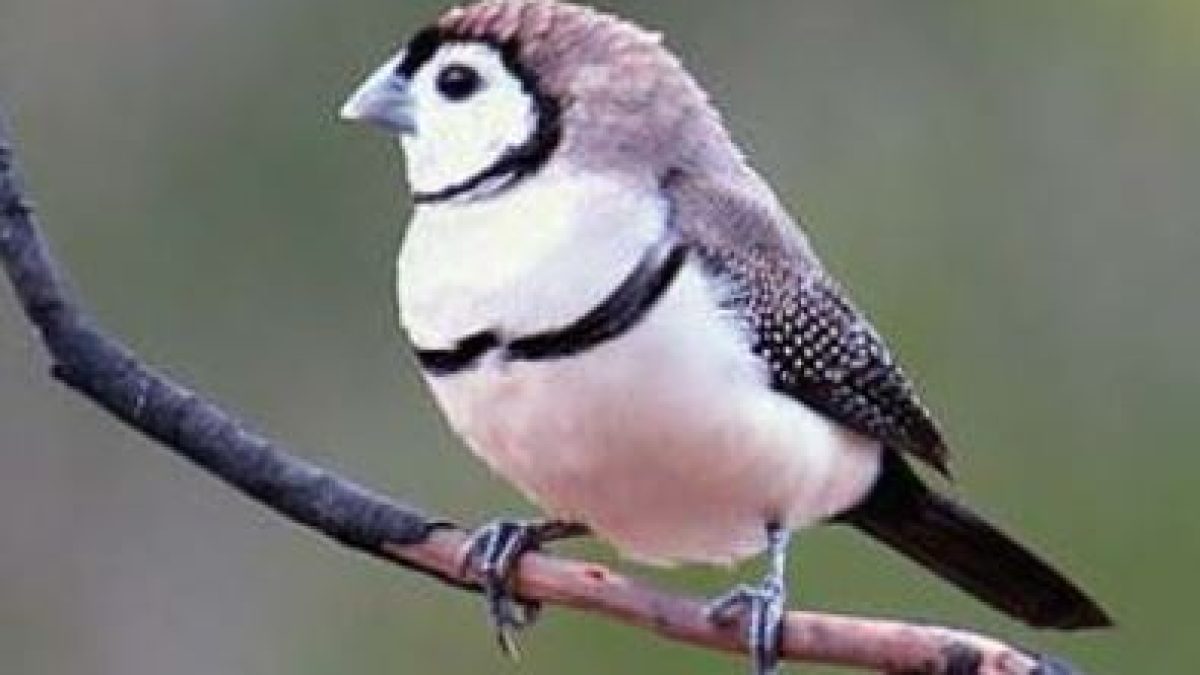
Temperature is the one breeding variable I underestimated the longest. Nest boxes, pairings, diet. I spent years dialing those in while the room sat at whatever it happened to be that day. It wasn't until I started tracking ambient temperature consistently that my hatch rates and chick survival numbers made the jump I was chasing.
The short answer: keep your breeding room between 70°F and 75°F (21°C to 24°C). That range supports courtship, egg development, and chick growth without stressing the adults. Everything below explains why it matters, how to stay inside it, and how to read your birds when the temperature drifts out of range.
Why Temperature Matters at Every Breeding Stage
Temperature doesn't just affect comfort. It affects biology. Here's where it shows up:
- Courtship and laying. Adults in a stable, warm room sing more, court more confidently, and settle into nest building faster. Males maintain higher energy levels, and females lay on a more predictable cycle.
- Egg development. Embryos are sensitive to both heat and cold. Even slight drops slow cellular growth, while heat spikes can damage developing tissue before it forms properly.
- Incubation effort. The parents do most of the temperature regulation through brooding, but they need the ambient room to support them. When the room is too cold, they can't compensate fully and deplete their own energy trying.
- Hatchling survival. Newly hatched chicks have no ability to regulate body heat. They depend entirely on the nest environment and parental brooding in those first days.
Every stage of the cycle runs more smoothly when room temperature stays consistent. Instability is the bigger risk. A room that swings from 68°F to 76°F in a day does more damage than one that holds steady at 73°F, even if that steady point sits slightly off the midpoint of the ideal range.
The Ideal Temperature Range: Reference Numbers
These are the figures I work from, based on direct observation across multiple species and breeding seasons:
- Optimal zone: 70°F to 75°F (21°C to 24°C). Courtship is active, laying cycles are predictable, and incubation runs on schedule.
- Acceptable upper limit: up to about 78°F short-term. Heat-tolerant species like zebra finches handle brief warm spells without much disruption.
- Stress threshold (high): above 80°F. Adults begin panting, spend less time on the nest, and may abandon clutches if extended heat continues.
- Stress threshold (low): below 68°F. Courtship becomes infrequent, the female may lay fewer eggs or skip days, and the pair directs energy toward self-warming rather than nest care.
- Stability matters more than perfection. A steady 73°F outperforms a room that swings between 68°F and 76°F throughout the day.
If you're just getting started, aim for 72°F to 74°F as your daily target and treat anything outside 68°F to 78°F as a signal to act. Before adjusting your setup, it helps to confirm signs your pair is ready to breed. Temperature alone won't trigger a pair that isn't ready.
Signs the Temperature Is Too Low
My birds usually tell me before my thermometer does. Here's what to look for:
- Adults huddling together or spending long stretches inside the nest box before eggs are even laid.
- Reduced or absent courtship singing from the male.
- The female delays laying, lays smaller eggs, or skips days in her laying cycle.
- The incubating parent sits unusually tight and rarely leaves the nest to eat.
- Eggs take longer to hatch than expected.
- Chicks are quiet, slow-moving, and their crops stay full for extended periods (they're digesting slowly, not feeding well).
One pattern I've learned the hard way: nighttime temperatures drop faster than daytime temps, and that cold window before sunrise can undo days of otherwise solid incubation. I monitor night temps separately, especially in winter.
Signs the Temperature Is Too High
Heat stress looks different but is just as readable:
- Adults panting or doing rapid, shallow wing movements to release body heat.
- The female leaving eggs uncovered for longer stretches than normal.
- Males becoming restless rather than attentive to the nest.
- Older chicks spreading their wings and crawling toward the edge of the nest box.
- Chicks appearing thin or dehydrated despite parents being present.
- Eggs that develop unevenly or chicks that seem unusually weak at hatch despite good fertility.
High heat is often more urgent than cold because the pair can partly compensate for a cold room by brooding harder. A room that's too hot leaves them with fewer options.
How to Maintain the Right Temperature
The goal is stability at bird height, not just somewhere in the room. A few practical steps:
- Place your thermometer at cage level. Temperature varies significantly between floor level and mid-shelf height. Always measure where the birds actually are.
- Use a thermostat-controlled heater, placed away from cages. Direct heating elements near cages create hot spots and dry out the air. A small space heater on the far wall warming the whole room works better.
- Use fans on low, pointed away from cages, in warmer months. This circulates air without creating drafts on the birds. Drafts are often worse than a moderate temperature swing.
- Set air conditioning to a fixed temperature. AC that cycles on and off with sharp swings disrupts the birds. A steady thermostat setting is better than a wide comfort range.
- Use insulated curtains on windows that receive direct afternoon sun. Glass amplifies heat, and a south-facing window can push cage temperature up several degrees in the afternoon without you noticing.
- Check for "problem corners" in larger aviaries. Walk the space with a portable thermometer. Warm air pools near ceilings and cold air settles at floor level. A pair in the wrong spot may be living in a microclimate far outside your target range.
Once you have the room dialed in, temperature stops being something you think about daily. It becomes a background condition the birds just benefit from. That's when the rest of the breeding work, pairing, diet, and nest setup, really starts to pay off. If you want to encourage natural mating behaviors, a stable thermal environment is one of the most reliable levers you have.
Temperature Through the Seasons
Indoor breeding rooms behave differently in winter and summer, and the adjustments you make are almost opposite between the two:
- Cold months. Morning and overnight drops are the main risk. Use a reliable heating system and check that it maintains temperature through the early-morning low. Humidity tends to drop in winter too, which can affect the nest microclimate for species that need moderate moisture during incubation.
- Warm months. Afternoon heat buildup is the issue. Insulated curtains, stable AC settings, and low-speed fans are your tools. Resist the temptation to open windows for airflow. Outdoor temperature variability is harder to control than indoor HVAC.
- Transitional months (spring, fall). These are the trickiest because daytime temps can swing 15-20 degrees. Monitor twice daily and adjust heating or shading proactively rather than reactively.
If you're managing a multi-pair aviary, temperature stability matters even more. Each pair may respond slightly differently to the same ambient temperature, and pockets of warmth or cold in a shared space can put some pairs at a disadvantage. Knowing how often pairs should breed also helps you plan when to adjust conditions for rest periods between breeding seasons.
FAQs: Temperature for Breeding Finches
Quick answers to the questions I hear most about managing temperature during breeding:
What happens if the temperature drops at night during incubation?
Even a few hours below 68°F can slow embryo development and push hatch dates later than expected. Chicks that develop in consistently cold conditions tend to be weaker. Monitor nighttime temperatures separately from daytime. They often diverge by more than you'd expect, especially near windows.
Do different finch species need different temperatures?
The 70°F to 75°F range works well for most commonly kept finches. Species with tropical origins like Gouldians tend to prefer the warmer end or slightly above, while more adaptable species like zebra finches handle short excursions toward 78°F or 80°F without much disruption. When in doubt, stay in the middle of the range and observe how your specific birds behave.
Can I breed finches year-round indoors if I control the temperature?
Yes, with some important caveats. Temperature is one trigger for breeding readiness, but photoperiod (daylight hours) is equally important. You'd need to manage both to sustain year-round breeding, and back-to-back breeding cycles can deplete the female. For a full picture of what year-round breeding involves, the complete guide to finch breeding covers both the environmental conditions and the health considerations.
Is humidity something I need to manage alongside temperature?
Yes. Warmer air can dry out nests, and some species (Gouldians in particular) need moderate ambient humidity for reliable egg development. A comfortable middle range, roughly 50% to 60% relative humidity, pairs well with the temperature targets above. Overly dry conditions and overly damp conditions both cause problems, and both are influenced by temperature changes.
One Variable, Big Returns
Temperature is one of those things that doesn't demand much once it's right. You buy a decent thermometer, get a thermostat-controlled heater, deal with the afternoon sun if it's an issue, and then mostly stop thinking about it. What changes is that your birds relax into the breeding cycle instead of fighting their environment. Courtship runs longer, laying is more consistent, eggs hatch on schedule, and chicks come out stronger. For the effort it takes to maintain, the return is one of the best in finch keeping.