
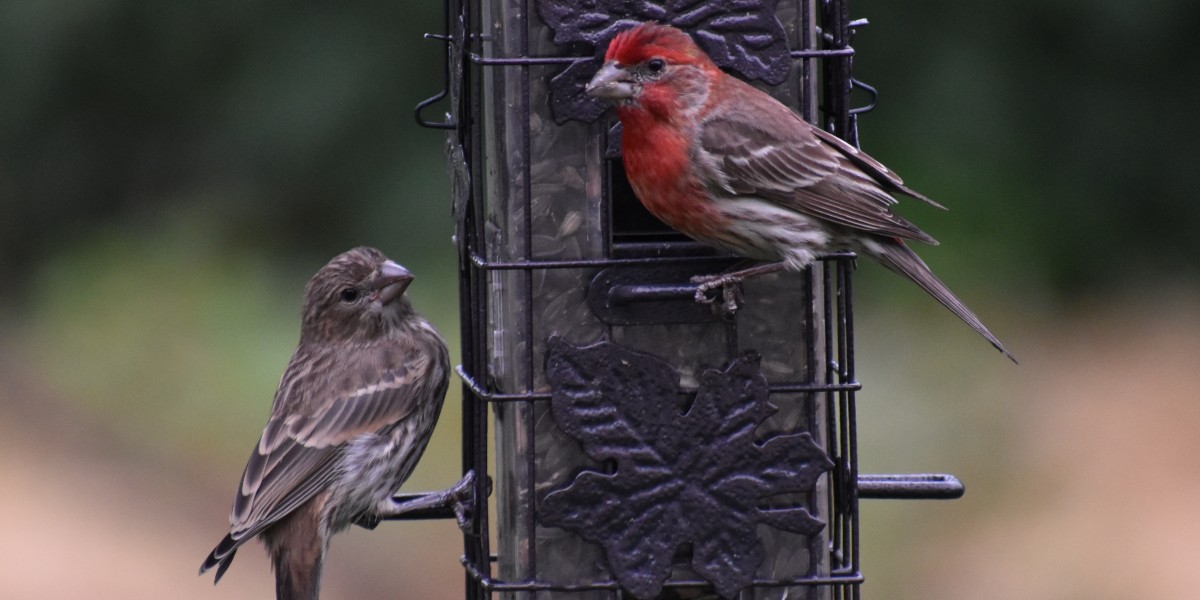
Finches are masters at hiding how they feel. That's not a personality quirk. It's survival wiring from centuries of wild life, where showing weakness meant becoming someone's meal. In captivity, that same instinct works against them, because by the time your finch looks sick, it's often been sick for a while. Regular vet checkups are how you close that gap. They give you a window into what your bird's body is actually doing, not just what you can see from across the room.
I booked my first avian vet appointment on a whim, mostly because I wasn't sure what "normal" looked like. That visit changed the way I think about finch care entirely. A trained set of eyes caught things I had completely missed, and I walked out with a clear picture of each bird's baseline health. Now it's the one routine I won't skip.
What Happens at a Finch Wellness Exam
A routine avian wellness exam covers far more than you can replicate at home. Here's what a good avian vet typically works through:
- Weight check. Finches are so small that even a gram or two of loss signals a problem. Vets weigh the bird and compare it to its own history, not just a generic range.
- Physical examination of feathers, beak, and eyes. Feather quality reveals nutritional gaps and stress. The beak can show overgrowth, misalignment, or early mite damage. Eyes and nostrils get inspected for discharge or asymmetry.
- Listening to heart and lungs. A vet can hear subtle breathing irregularities and cardiac changes that you'd never notice through casual observation.
- Fecal testing. A fecal exam screens for intestinal parasites, bacterial imbalances, and yeast infections. Many of these cause no visible symptoms until they're well established.
- Blood testing when indicated. Blood work can reveal organ function, nutritional deficiencies, and early metabolic disease. For older birds or any bird with vague symptoms, this diagnostic testing is often worth doing annually.
- Skin and vent inspection. The vent area shows signs of diarrhea, egg binding risk, and external parasite activity. Mites often concentrate there before spreading.
- Behavioral and diet review. The vet asks what you've been feeding, how the bird is acting, and what's changed recently. This context shapes everything else they look at.
That combination of hands-on examination and diagnostic testing gives you a complete picture. No amount of daily watching can replicate it.
When to Schedule Checkups
The standard recommendation for pet birds is once a year for healthy adults, with a new-bird visit within the first few weeks of bringing a finch home. That annual appointment is the foundation, but it's not the whole picture.
Here's a practical schedule to work from:
- New bird visit (within 2 to 4 weeks of arrival). Before your new finch joins existing birds, get a baseline exam and fecal screen. This protects everyone already in your aviary and sets a health record from day one.
- Annual wellness exam for healthy adults. Once a year is the floor for birds that look and act fine. Your vet builds a health history over time, which makes it much easier to spot changes.
- Every 6 months for senior birds. Finches older than 4 or 5 years age quickly and benefit from more frequent monitoring. Organ function, weight trends, and mobility all shift faster than you'd expect.
- Pre-breeding checkup. If you plan to breed, a pre-season exam helps confirm both birds are physically ready. A vet can evaluate calcium levels, body condition, and overall fitness before egg-laying begins.
That's the routine side. Then there's the urgent side, which doesn't wait for a scheduled appointment.
Warning Signs That Warrant a Same-Week Visit
Finches deteriorate fast. If you see any of these, don't wait for the next annual appointment:
- Fluffed feathers combined with low energy or closed eyes during the day.
- Clicking, wheezing, or open-mouth breathing at rest.
- Tail bobbing with each breath, which signals respiratory distress.
- Sudden weight loss you can feel when you hold the bird (a keel bone that protrudes sharply).
- Discharge from the nostrils or eyes, or a crusty, discolored beak.
- Trouble perching or loss of balance.
- Droppings that shift in color, consistency, or volume for more than a day.
- A bird that stops singing and becomes still when it's normally active.
Any of these is a signal worth taking seriously. Finches mask illness until they can't anymore, and by then, timing matters. Being part of a complete finch health checklist routine helps you notice these shifts sooner, because you're already watching closely.
How to Find a Qualified Avian Vet
This part trips people up. Not every vet who sees birds has the training to handle finches well. Avian medicine is a specialty, and a general practice vet who occasionally sees parakeets is a different thing from a vet who focuses on avian and exotic species.
A few ways to find a good one:
- Search the Association of Avian Veterinarians (AAV) directory. The AAV certifies avian specialists and lists members by location. This is the most reliable starting point.
- Ask in local bird keeper or finch breeder groups. People who keep multiple species and breed regularly tend to know exactly who in the area is worth calling. Word of mouth is often more useful than any directory.
- Call ahead and ask specific questions. Before booking, ask how many avian patients they see per month, whether they have specific experience with finches or small passerines, and what diagnostic testing they can run in-house. A vet with real avian experience will answer confidently.
- Consider avian telemedicine for rural owners. If you don't have an avian specialist nearby, several veterinary practices now offer telemedicine consultations specifically for exotic and pet birds. They can advise on symptoms, review photos, and help you decide whether a longer drive is warranted.
Once you find someone good, stick with them. A vet who knows your birds over multiple years is far more valuable than starting fresh with a new practice every time. The health history they build is a real asset when something does go wrong.
What Vet Visits Actually Prevent
The value of regular checkups isn't just catching problems. It's preventing the conditions that make problems likely in the first place. A good avian vet conversation often touches on diet, environment, and daily care in ways that improve your whole setup. They might point out that your cage location creates a draft, or that the seed mix you're using is missing key nutrients, or that your cleaning routine isn't removing a specific type of bacteria effectively.
These conversations save you from learning by crisis. And given how fast a finch can go from "slightly off" to an emergency, that's worth a lot. Pair vet visits with what you're already doing in everyday finch care at home, and the two reinforce each other. The vet catches what you can't see. Your daily routine catches what the vet can't be there for.
It also helps to stay consistent with the basics between visits: regular cage cleaning reduces the bacterial and fungal load that strains your bird's immune system, and finch grooming keeps you in the habit of handling and observing your birds closely enough to notice small changes.
FAQs: Vet Checkups for Finches
Here are the questions I hear most from other finch keepers about veterinary care:
Do finches really need a vet if they seem perfectly healthy?
Yes. "Seems healthy" is not the same as "is healthy" for a finch. These birds are expert illness-hiders, and many conditions show no outward signs until they've progressed. Annual wellness exams catch problems during the window when treatment is easiest and least stressful for the bird.
How much does a finch vet visit typically cost?
It varies by location and practice, but an annual wellness exam without diagnostic testing often runs between $60 and $120. Fecal testing adds a modest amount. Blood work costs more, but for older birds or birds with vague symptoms, it's worth it. Think of it as the cost of avoiding a $300 emergency visit later.
What if I can't find an avian vet nearby?
Avian telemedicine services have expanded considerably, and they're a legitimate option for finch keepers in rural areas. They can assess symptoms via video or photo, advise on whether the situation is urgent, and help you prepare for a longer trip to a specialist when one is necessary. It's not a perfect substitute, but it's much better than nothing.
Can a regular vet see my finch?
A general practice vet can handle very basic care, but avian medicine requires specific training and equipment. For routine wellness exams and anything beyond basic observation, an avian specialist or exotic animal vet is strongly preferred. The physical examination technique, safe handling approach, and diagnostic knowledge differ significantly from small mammal or canine practice.
The Quiet Bird That Saves Itself
Finches don't ask for help. They stay quiet, keep moving, and do their best to look fine until the moment they can't. That's what makes routine vet care so vital for this species specifically. You're not waiting for a signal. You're building a system that catches problems before the signal comes. The combination of annual wellness exams, a sharp eye at home, and a vet who knows your birds is the closest thing to a safety net these small birds can have.