
Yes, male finches typically help raise chicks, but how much they contribute depends on the species, the individual bird's personality, and the environment you've set up for them. In my aviary I've watched males range from tireless providers who barely left the nest area to birds that seemed genuinely confused by the whole situation. The short answer is encouraging: most males play a real role, and understanding what that role looks like at each stage helps you spot problems early and support the pair through a healthier brood.
Research on finch behavior consistently shows that paternal investment is common across the family as a whole, though the degree varies substantially by species. For pet finch keepers, the practical takeaway is that you shouldn't assume either extreme. Don't write off a young male who seems slow to start, and don't assume an established male will always repeat the same good behavior. Observation, pair compatibility, and a stable environment are the three things you can actually control.
What Male Finches Do by Species
Species matters a lot here. Before you judge your male's parenting, it helps to know what's typical for his kind. Here's how the most common pet finch species tend to behave during chick-rearing:
- Zebra finches. The most cooperative dads you'll find in aviculture. Males share incubation shifts, feed the female on the nest, and start delivering food directly to chicks within a few days of hatching. Expect both parents to be equally busy feeding fledglings.
- Society (Bengalese) finches. Reliably involved. Males take regular brooding turns and feed chicks actively. They're so nurturing that they're commonly used as foster parents for other species' eggs and babies.
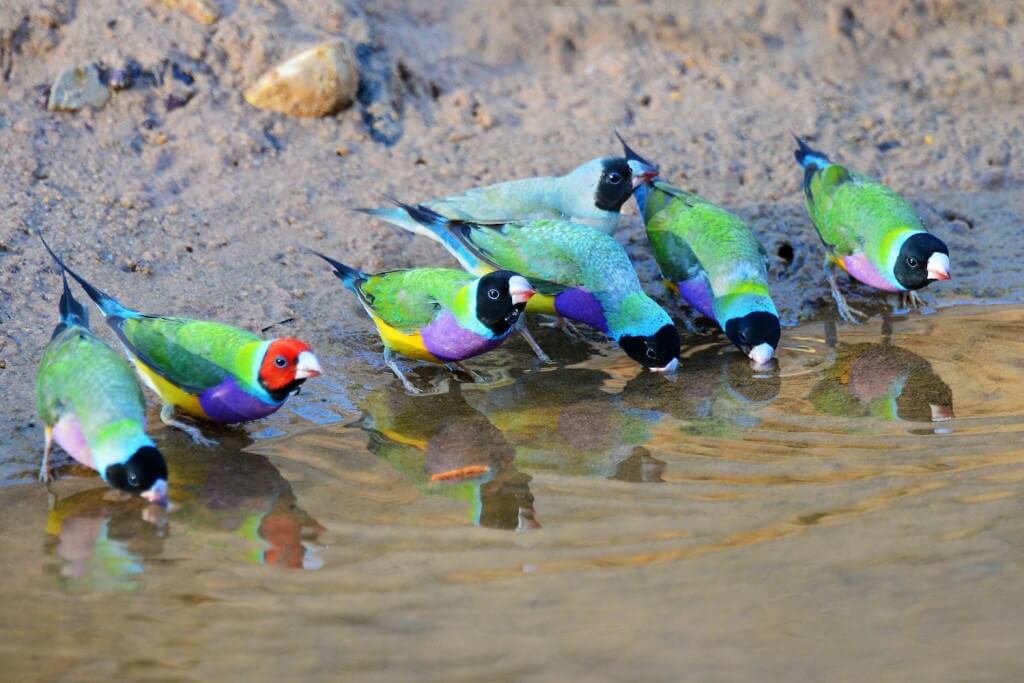
- Gouldian finches. More variable. Some males are dedicated caregivers; others leave nearly everything to the female. Watch the pair individually rather than assuming he'll pull his weight.
- Owl finches. Generally cooperative, though males tend to be more passive than zebra finch males. They'll feed chicks but often defer to the female during brooding.
- Double-bar finches. Both parents share duties fairly evenly. Males in this species are consistent feeders and often stay close to the nest entrance as a first line of alert.
If you keep a less common species, observe the pair for the first few days after hatch before drawing conclusions. Individual variation within any species can be wide. And even within a "reliable" species like zebras, I've had males who were genuinely indifferent as young birds and became devoted fathers only after their second or third clutch. Experience counts for a lot in finch parenting.
What Males Do at Each Stage of Chick Rearing
Male involvement isn't static. It shifts as the brood develops, and knowing what's normal at each phase helps you catch problems early.
Nest Preparation
Before eggs are laid, many males gather nesting material with obvious enthusiasm, bringing grass, coconut fiber, or feathers to the nest site while the female arranges the inside. Consistent participation at this stage is a good early indicator of parental drive. A male who gathers actively, stays close to the nest box, and interacts calmly with the female is more likely to step up once chicks arrive. The right nest setup helps both sexes settle into these routines, so it's worth reading up on how to pick the best nest boxes for finches before the season starts.
Incubation
Many males, especially zebra and society finches, take real incubation shifts. You'll see them sitting on the eggs while the female stretches and eats. In species where males are less involved, they'll still typically feed the female at the nest entrance so she doesn't have to leave the eggs unattended for long. Either pattern can support healthy development as long as the eggs stay warm and the female stays nourished. One thing I always watch for here is a male who sits in the nest but never actually incubates. Some do this to guard the nest box and will move off for the female without hesitation. Others are blocking her out of territorial habit. The second type is worth keeping an eye on before the eggs hatch.
Hatchling Phase (Days 1 to 10)
This is where the male's contribution becomes most visible. In the first few days the male typically feeds the female at the nest, and she regurgitates food to the chicks. By around days 4 to 7 most active fathers begin feeding the hatchlings directly, pushing soft foods into open beaks while the female broods. An engaged male during this phase is one of the biggest predictors of chick survival, since the female can't always gather enough food and keep the babies warm at the same time. I've had large clutches of five or six chicks where the male was doing the majority of the feeding runs, returning to the nest every few minutes while the female stayed settled over the brood. Without that kind of support the runt chicks in a large nest often lose out. Your preparation of fresh egg mix, sprouted seeds, and greens makes his job easier. Good nutrition support is also essential once the babies are out of the nest, so check out how to care for finch hatchlings for the full feeding picture.
Fledgling Phase (Days 18 to 28)
As chicks leave the nest, the male often takes over as primary feeder while the female starts preparing for the next clutch. Males will follow fledglings around the cage, demonstrating foraging and continuing to top off their crops. This extended care is completely normal and genuinely important. Pulling the male too early during this window can leave fledglings underfed. I've seen healthy fledglings lose weight noticeably within 24 hours of an early separation because the female had already mentally moved on to the next breeding cycle and wasn't reliably feeding them. For guidance on timing any separation decision well, see when and whether to separate finch parents from babies.
Signs the Male Is Causing Problems
Not all male involvement is helpful. These are the behaviors worth watching for and acting on:
- Relentless re-courting. If the male is trying to mate with the female while she's actively feeding newborns, he's redirecting her attention at the worst time. Brief attempts are normal, but constant pursuit is disruptive.
- Aggression toward chicks. Pecking at or chasing growing chicks, especially near or after fledging, usually signals the male is hormonally driven toward a new cycle and treating the current offspring as competition.
- Trampling hatchlings. An inexperienced or very clumsy male may step on chicks while trying to feed them. Watch for this in the first week. Some young males improve with practice; others need to be removed.
- Blocking the female from the nest. A dominant male who sits in the nest entrance and keeps the female out disrupts brooding temperature and her direct feeding access.
- Complete disengagement. A male who never approaches the nest, never feeds the female, and perches far away for days old chicks could leave the female overwhelmed, particularly in a large clutch.
If you see any of the first four, remove the male temporarily and monitor the chicks' weight and feeding frequency. A calm, single-parent female can raise healthy chicks if you support her with supplemental soft foods and a stable environment. In my experience females that handle the nest alone tend to look noticeably more tired by the time the chicks fledge, so I always give them an extended rest before allowing another clutch. When you're deciding whether to remove the male, watch for two or three instances of the problem behavior in a single day rather than reacting to one incident, since some disruption during nest visits is normal. Providing the right nesting materials from the start also reduces a lot of territorial friction between parents, so it's worth reviewing the best nesting materials for finch breeders to give both birds a setup that keeps stress low.
How to Support Male Participation
The environment shapes male behavior more than most pet owners expect. A few practical things consistently improve how much males contribute to the nest:
- Keep the environment calm. Stress from noise, other birds, or disturbances at the cage suppresses parental behavior in both sexes. Stable routines matter more than most breeders realize.
- Offer soft foods continuously. A male who has easy access to egg mix, sprouted seeds, and leafy greens feeds chicks more reliably. Shortage forces him to forage longer and return less often.
- Maintain a 12 to 14 hour light cycle. Consistent, natural-feeling daylight keeps hormonal rhythms steady and discourages the male from cycling into re-breeding mode before the chicks are independent.
- Avoid cage overcrowding. Other males in the same space increase territorial tension and pull attention away from the nest. For the best results, breeding pairs do better in a dedicated breeding cage during the chick-rearing period.
- Keep notes by pair. Some males are reliably excellent fathers; others need intervention every cycle. Tracking individuals across multiple broods tells you which pairs to trust and which to watch closely.
- Pair compatible birds. A male and female who constantly bicker, don't preen each other, or show no mutual grooming during nest building are much less likely to cooperate once chicks hatch. Re-pairing a difficult male with a calmer, more compatible female has turned around several "bad father" situations in my aviary. Breeding success really does start with a well-bonded pair.
If you keep multiple breeding pairs in the same flight cage, also consider moving the breeding pair to a separate enclosure. Competition from other males nearby increases stress hormones and makes parenting behavior less reliable for almost every species.
FAQs: Male Finches Helping with Chicks
Here are the questions I hear most often about what male finches actually do during chick-rearing.
Do male finches sit on eggs?
In many species, yes. Zebra finch and society finch males take genuine incubation shifts, often alternating with the female throughout the day. In species like Gouldians, male incubation is less consistent but not unusual in a well-bonded pair.
What if my male finch ignores the chicks completely?
Give it a few days first, since some males take up to a week to start feeding directly. If he remains disengaged and the female seems overwhelmed (losing weight, spending less time brooding), step in with supplemental feeding and keep a closer eye on chick weight. Some males simply never develop parental drive and are better suited to non-breeding setups.
Should I remove the male when chicks hatch?
Not as a default. Most males contribute positively and the female benefits from his help feeding. Remove him only if he's actively disrupting the nest, harassing the female, or harming chicks. Removing a helpful male adds all the feeding burden to one bird.
How many days old are chicks when the male starts feeding them directly?
Most active fathers begin direct feeding somewhere between days 4 and 7 after hatch. Until then they typically feed the female and let her pass food to the hatchlings.
The Bottom Line on Male Finch Parenting
Most male finches are genuinely useful parents when the conditions are right. The species you keep, the individual male's temperament, and the environment you provide all shape how much he contributes. Watch him through the nest-preparation phase for early signals, support both birds with reliable soft food, and don't hesitate to intervene if his behavior turns disruptive. The pairs that thrive are usually the ones where both parents pull in the same direction, and a well-matched, well-supported male makes that far more likely. When you start seeing your male deliver food to the nest with the same calm consistency he had on day one, that's when you know the brood is in good hands.