
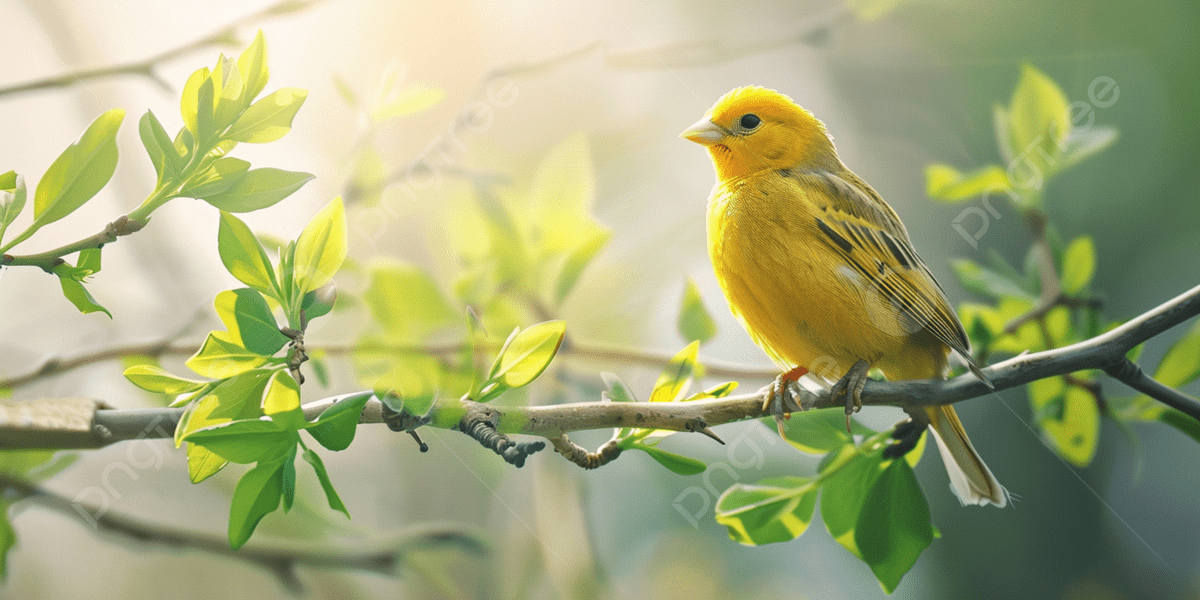
Cat grass for finches: safe treat or overhyped plant? Having grown it, watched my birds ignore it, then watched them shred it to pieces a week later, I can give you a straight answer. Yes, most cat grass varieties are safe for finches in small amounts, but safe isn't the same as useful. Here's what it actually is, what it does and doesn't offer nutritionally, how to introduce it without creating hygiene problems, and when you're better off reaching for something else entirely.
What Cat Grass Actually Is
Cat grass isn't a single plant. It's a category name covering several fast-growing cereal grasses, most often wheatgrass, oat grass, barley grass, or a blend of all three. The seed mix you find in a store kit germinates in four to seven days and stays soft enough for cats, or birds, to chew without much resistance.
These are the same grains that make up much of a finch's seed diet, so the grass itself isn't foreign territory. The difference is that finches in the wild tend to target the seed heads on wild grasses, not the leaf blades. The blades are high in cellulose and low in the fats and proteins finches actually run on. That context matters when you're deciding how much to lean on cat grass as a regular offering.
Is Cat Grass Safe for Finches?
Most of the time, yes. The grass varieties themselves are not toxic, and a finch nibbling a few blades won't be harmed. The risks sit in the growing conditions, not the plant. Here's how to sort safe from risky at a glance:
- Safe: organic, untreated seed grown in plain potting soil or coconut fiber with no fertilizer pellets added.
- Safe: wheatgrass, oat grass, or barley grass grown indoors in a clean pot with good drainage.
- Caution: any kit using treated or chemically coated seeds, which can carry fungicide residues.
- Caution: soil with moisture-retaining crystal additives, which aren't safe if a bird picks at the soil surface.
- Caution: grass left in the cage too long, once the soil gets damp and begins to smell, mold spores become a real respiratory risk for small birds.
- Avoid: cat grass grown outdoors or in soil that wasn't fresh and clean at planting, as wild yard soil can carry pathogens.
If you buy a standard indoor store kit with an organic label and grow it in a clean container, the safety bar is easily cleared. The problem is almost always the setup, not the grass itself.
What Cat Grass Actually Does for Finches
Nutritional value is where expectations need adjusting. Cat grass contains trace chlorophyll, a small amount of moisture, and minimal fiber. For finches, those contributions are genuinely minor.
Where cat grass earns its place is in enrichment. The practical benefits are modest but real:
- Foraging stimulation. Finches enjoy shredding soft plant material. A patch of fresh grass gives them something to pick at, mimicking the way they'd explore vegetation in the wild.
- Light hydration. Fresh grass blades carry some moisture content. On a warm day, a few pecks add a small hydration boost alongside their regular water.
- Visual variety. A patch of green inside a cage breaks up the visual monotony and tends to prompt exploratory behavior from curious birds.
- Boredom relief. Finches that have something to shred are less likely to pull at feathers or pace restlessly.
Think of it the same way you think about a swing or a foraging tray: low nutritional weight, real behavioral value. It doesn't belong in the same category as sprouts or leafy greens that actually move the needle on nutrition.
How to Offer Cat Grass Without the Mess or Risk
Getting this right is mostly about containment and rotation. Follow these steps and you'll avoid the common problems:
- Grow it in a shallow, low-sided tray. Deep pots tip. A wide, stable tray keeps finches from toppling the container and landing in soil.
- Use organic, untreated seed and plain potting mix. Skip any kit that lists fertilizer, moisture crystals, or synthetic coating on the seed.
- Keep the grass trimmed under three inches. Longer blades get stringy and tough. Short, fresh growth is what finches actually enjoy.
- Place the tray in the cage for two to three hours at a time. This is plenty of time for the birds to explore. Leaving it in overnight encourages moisture buildup and bacterial growth.
- Cover the soil surface with a small piece of mesh. Finches don't need access to the soil, and mesh prevents them from picking at it or contaminating it with droppings.
- Replace it at the first sign of mold or foul smell. Don't try to salvage a pot that's gone damp and discolored. Start fresh.
- Offer it once or twice a week at most. Too much soft plant material can cause loose droppings. Rotation keeps it novel and safe.
This routine takes about five minutes per session. The main discipline is pulling the tray back out after a couple of hours rather than leaving it in as a semi-permanent fixture.
Better Greens to Prioritize First
Cat grass is a fine rotation item, but these options do more nutritional work and deserve higher priority in your fresh-food lineup:
- Microgreens. Broccoli, kale, and alfalfa microgreens grow just as fast as cat grass in an indoor garden setup and offer far more vitamins and minerals per bite.
- Sprouted seeds. Soaked and sprouted millet, radish seed, or quinoa deliver protein, enzymes, and natural moisture that finches digest easily. This is the high-value fresh food for finches.
- Leafy vegetables. Romaine, bok choy, chard, and carrot tops give finches real nutritional return. Check out which fruits and veggies are best for finches for a full safe list.
- Herbs. Small amounts of basil or flat-leaf parsley work well as rotating enrichment greens with more nutrient density than grass blades.
If you're already rotating these into the diet regularly, cat grass fits naturally as an occasional addition. If fresh greens are new territory, start with leafy vegetables and sprouted seeds before adding cat grass to the mix. For broader ideas on what to offer, homemade finch treats are another low-cost way to expand variety beyond seeds.
One Caution Worth Noting
People sometimes replace proper greens with cat grass because it grows easily and looks healthy. That's the one real risk. Cat grass growing in a pot looks lush and nutritious, but compared to what finches actually need, the blades are filler. Pair it with avoiding other common diet mistakes like mixing grit into food and you'll have a much cleaner overall feeding approach.
The same principle applies across the board: if something is easy and low-effort, it should supplement the real diet, not replace it. Know what your finches are actually eating at the core before adding novelty items at the edges. For a broader picture of what's off-limits, it's worth reviewing the full list of dangerous foods you should never feed finches so cat grass is understood in context.
FAQs: Cat Grass and Finches
Here are the questions I hear most when this topic comes up:
Can finches eat wheatgrass specifically?
Yes. Wheatgrass is one of the most common cat grass varieties and is safe for finches in small amounts. The same rules apply: grow it in clean, organic soil, keep it fresh, and offer it briefly rather than leaving it in the cage permanently.
My finch ignores the cat grass completely. Is that normal?
Very normal. Some finches never show interest and some go straight for it. Preference varies by individual bird. Don't force it. If they're not interested after a few sessions, move on and offer something else from the fresh-food rotation.
How often should I offer cat grass to finches?
Once or twice a week is the right target. Offering it daily, especially for birds that eat a lot of it, can cause loose droppings from too much cellulose intake. Rotating it in and out keeps it interesting and avoids overuse.
Does cat grass grown indoors differ from outdoor grass?
For finches, indoor-grown cat grass from a clean kit is significantly safer. Outdoor grass or yard clippings can carry pesticide residue, wild pathogens, and parasites. Always grow your own from a fresh organic seed kit indoors rather than cutting grass from outside.
The Verdict
Cat grass is safe, low-effort, and genuinely useful for enrichment. It's not a nutritional standout, and it shouldn't displace the greens, sprouts, and vegetables that actually keep finches healthy. Used correctly, as a rotating item introduced a few times a week for short sessions, it adds texture and foraging stimulation without risk. Grow it clean, keep the sessions short, and treat it as the bonus item it is rather than a dietary cornerstone.