
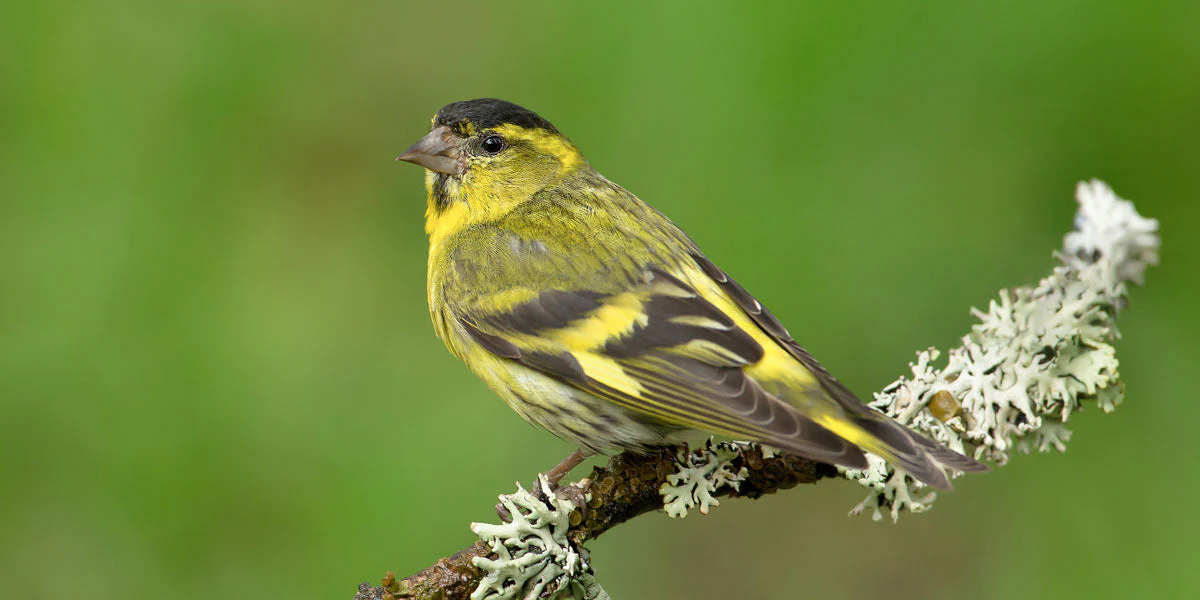
The first time one of my finches went quiet, I spent a whole evening convinced something had scared him. Turns out I’d nudged his cage three feet closer to a new air vent. That’s the thing about a silent finch: the song isn’t really gone, it’s telling you something changed. A finch’s voice tracks its confidence, comfort, energy, and health, so when it fades, I treat it as a clue rather than a problem. Find the cause and the song almost always comes back on its own.
Most silence traces back to one of about ten things. Below I’ll walk you through how to tell which one you’re dealing with, then the exact routine I use to coax the song back.
Start Here: A Quick Silence Checklist
Before you change anything, run through this. Nine times out of ten the answer is sitting in one of these:
- Something recently changed, like a moved cage, a new pet, new noise, or rearranged perches.
- Lighting is off, too dim all day or harsh light with no natural rhythm.
- The bird looks unwell, with fluffed feathers, low energy, or labored breathing.
- The diet is seed-only or lacks fresh variety.
- It’s molting and busy dropping and regrowing feathers.
- The finch is alone or recently lost a companion.
- Temperature swings or drafts sit near the cage.
- The cage is crowded or there’s squabbling.
- The setup is boring with nothing new to explore.
Pinpoint the likely culprit, then dig into the matching section below.
When a Finch Doesn’t Feel Safe
Safety is the foundation of song. A finch that feels exposed or unsettled simply won’t sing, and a few different things can make it feel that way:
- Stress and sudden change. Loud rooms, new pets, rough handling, or even a cage shifted to a new wall can rattle a finch. Retrace every change from the last few days and watch for the early signs of a stressed finch. Dial down the noise, steady the routine, and the song creeps back.
- Temperature and drafts. Too warm drains them, too cold makes them burn energy staying warm, and a draft from a window or vent is worse than either. Keep the room moderate and the cage away from anything that blows air.
- Crowding. A packed cage breeds tension and squabbling, and a finch defending its space won’t sing. Add room, spread out the perches, and calm the group dynamic.
Fix the thing making the bird feel unsafe and its confidence, along with the singing, usually returns.
Light, Molting, and the Bird’s Natural Rhythm
A lot of singing is wired to natural cycles, and two of them get overlooked constantly:
- Light. Finches read daylight to regulate their mood and their voice. Aim for steady, natural-feeling daylight, a soft sunrise-style morning, and real darkness at night so they actually rest. Once that rhythm steadies, the song usually strengthens with it.
- Molting. When a finch is dropping and regrowing feathers, it pours its energy into new plumage and goes quiet on purpose. This is normal, so don’t mistake it for illness. Add a little extra nutrition, keep things calm, and the song returns once the new feathers finish coming in.
Neither one needs much from you beyond patience and a steady setup.
The Physical Side: Health and Diet
A comfortable finch sings without thinking about it. When the body isn’t right, song drops to the bottom of the list. Two things are worth checking:
- Health. Mild illness is enough to mute a finch, so check posture first (fluffed feathers, half-closed eyes, low energy) and listen to the breathing. One cause worth knowing by name is air sac mites, a respiratory parasite that can quiet the song before almost any other symptom shows. Clicking, wheezing, or open-mouth breathing is the classic tell, and it needs a vet. Many issues trace back to common finch illnesses that are far easier to treat early.
- Diet. Singing takes stamina, and a seed-only diet quietly starves a finch of what it needs. Round it out with leafy greens, sprouted seeds, fortified pellets, and a cuttlebone for minerals, plus fresh water at all times. If you’re not sure where to start, here’s how I keep a properly balanced finch diet.
Sort out health and food and the voice usually follows within a few days, often stronger than before.
The Social Side: Loneliness and Boredom
Song is partly a social act, so a finch’s emotional world matters as much as its body. Two causes show up here:
- Loneliness. Most finches prefer company, and one that suddenly loses a companion can go strikingly quiet. Think through whether finches need companions before you add one, and introduce a new bird slowly. A mirror helps for a little while, but it doesn’t replace another finch.
- Boredom. A curious, active bird in a static cage loses its motivation to vocalize. Rotate toys, add fresh branches and swings, and vary how you present food. Gentle background sound helps too, since a dead-silent room can suppress singing as much as a stressful one.
Meet the social and mental needs and the everyday chatter tends to come back on its own.
How I Bring a Finch’s Song Back, Step by Step
When a finch goes quiet, I don’t rush. I work a calm, steady sequence and let the bird move at its own pace:
- Watch for a full day. Note how it moves, perches, eats, interacts, and rests, because the clues are in the small moments.
- Check the environment. Look at temperature, light, noise, cage layout, and anything that recently changed.
- Review diet and water. Add variety and freshness if the menu is thin.
- Rule out illness. If anything looks off physically, call a vet before trying anything else, because sickness won’t fix itself.
- Remove stress triggers. Quiet the room, steady the routine, and stop making changes for a while.
- Meet social needs. Reintroduce companionship or enrichment if loneliness or boredom is the cause.
- Give it time. The song can return in a few days or take a couple of weeks, and the first soft chirp tells you you’re on the right track.
Slow, steady changes bring back a stronger voice than anything forced.
When to Call a Vet
Most causes of silence you can handle at home. These you can’t, so don’t wait on them:
- Clicking sounds, tail bobbing with each breath, or open-mouth breathing.
- Fluffed-up feathers with low energy for more than a day.
- Nasal discharge or a dirty, crusted beak.
- Trouble perching or keeping balance.
Any of these is worth a same-week call to an avian vet.
FAQs: Why Your Finch Won’t Sing?
Here are quick answers to the questions I hear most about a silent finch:
How long until my finch sings again?
Once you’ve fixed the underlying cause, expect anywhere from a few days to a couple of weeks. Gentle, steady changes bring back a stronger voice than forcing it ever will.
My finch only went quiet while losing feathers, is that normal?
Yes. Molting silence is completely natural. As long as appetite and behavior look normal, give it extra nutrition and peace, and the song returns once the new feathers finish growing in.
Will a mirror fix a lonely finch?
Only as a short-term comfort. A mirror can take the edge off, but it doesn’t replace real interaction. For a finch that’s genuinely lonely, another bird is the real answer.
The Song Will Come Back
A finch that stops singing is communicating, not malfunctioning. Its silence is a signal pointing at stress, light, health, diet, season, or loneliness. Once you find the cause, the fix is usually straightforward, and a comfortable bird with a steady routine, a good diet, and a calm home regains its confidence to sing. That returning voice is the clearest sign you got it right, and it’s one of the most rewarding parts of keeping these little birds.