
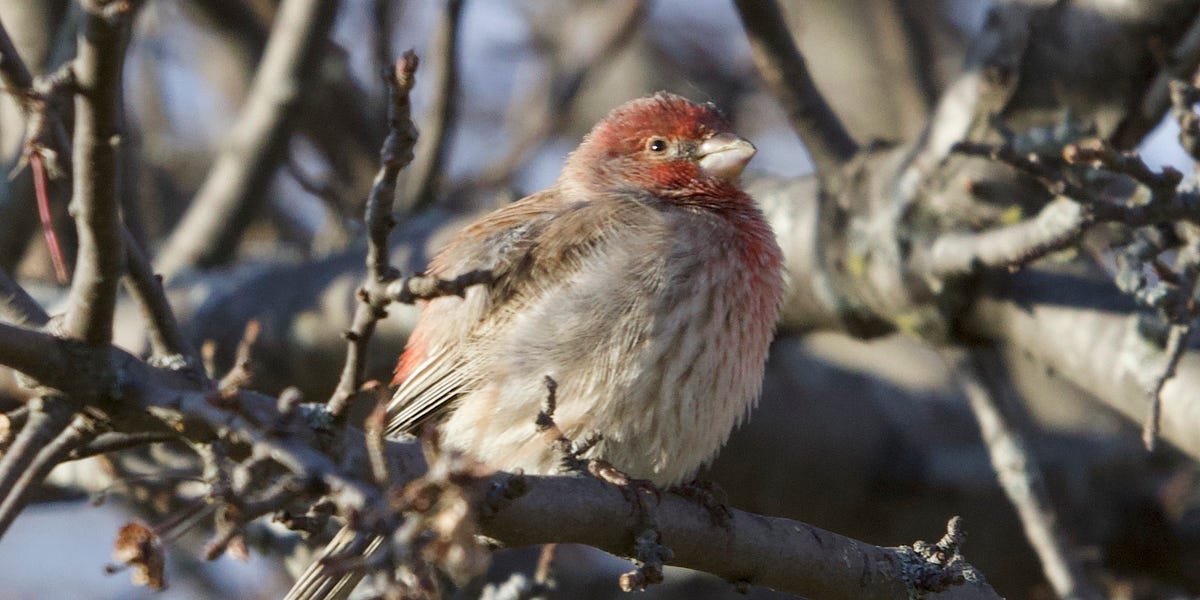
A sick finch rarely announces itself loudly. One morning you'll notice a bird sitting a little lower on its perch, feathers puffed out just slightly, eating less than usual. That quiet signal is your cue. These small birds decline fast once illness takes hold, so the earlier you act, the better your chances of helping them pull through. I've worked through this process with my own flock more times than I'd like to count, and the steps below are exactly what I do every time.
How to Spot a Sick Finch Early
Finches mask weakness instinctively, so visible symptoms often mean things have already progressed. Train yourself to notice the subtle stuff first. The signs most worth catching early include:
- Fluffed feathers. A finch that looks puffed up and round is trying to hold body heat, which is a classic sign of illness or infection.
- Tail bobbing. A tail that bobs with each breath points to respiratory strain and needs prompt attention.
- Changed droppings. Loose, discolored, or watery droppings often signal digestive issues, parasites, or infection.
- Reduced eating. If a finch is pecking at food without swallowing, ignoring its usual seed mix, or sitting away from the dish, its appetite has dropped.
- Low perching or floor sitting. A finch that camps on the cage floor has likely lost the energy to stay up on a perch. This is one of the more serious signs.
- Labored or open-mouth breathing. Any clicking sounds, wheezing, or breathing through an open beak is a respiratory emergency that needs a vet the same day.
- Weight loss. A finch that feels light when cupped in your hand, or where the keel bone becomes prominent, has lost condition and needs nutritional support fast.
Catching one or two of these early gives you time to act before the bird becomes too weak to respond well to supportive care. For a fuller picture of what a healthy bird looks like by comparison, how to recognize a healthy finch makes the contrast much easier to spot.
Step-by-Step: Isolating and Supporting a Sick Finch
This is the core care sequence I follow. Work through it in order, and don't skip steps even when the situation feels less serious than it might be.
- Isolate the bird immediately. Move the sick finch into a separate hospital cage away from the flock. This protects the healthy birds from potential infection and gives the sick one a quieter place to rest without competition for food or perch space.
- Set up the hospital cage simply. Use a small, clean enclosure with a secure lid. Place one or two low perches so the bird doesn't have to climb far. Keep food and water dishes close to the perches so it doesn't have to travel to eat or drink.
- Add warmth. A sick finch struggles to regulate its body temperature. Place a low-wattage heat lamp or heating pad under one half of the cage, targeting 24 to 29 degrees Celsius. Leave the other half of the cage cooler so the bird can self-regulate and move away from the heat if needed.
- Minimize stress. Cover three sides of the cage with a light cloth, dim the lighting, and keep the space quiet. Stress suppresses the immune system and slows recovery. Limit handling to necessary tasks and observe from a calm distance otherwise.
- Offer easy food and fresh water. Soft foods like soaked seed, sprouted seed, and finely chopped greens are easier to eat when a bird is weak. Change the water every few hours because a sick bird can contaminate it quickly. Consider adding an electrolyte solution if the finch seems dehydrated or is not drinking normally.
- Monitor droppings and behavior closely. Check twice a day. Note whether the finch is eating, perching, or resting on the cage floor. Dropping quality tells you a lot about whether things are improving or getting worse. Write down what you observe so you can report it accurately if you end up calling a veterinarian.
- Administer any prescribed treatment correctly. If a vet has prescribed medication, follow the dosage instructions exactly. Many treatments are mixed into drinking water; others require direct administration. Prepare everything in advance to keep handling time short and the bird calm. If the finch refuses medicated water, contact the vet for an alternative delivery method rather than skipping doses.
- Begin reintegration slowly. Once the finch is eating normally, perching comfortably, and showing consistent energy across several days, place the hospital cage next to the main cage for a few days before allowing direct contact. Watch closely for bullying or stress when you return the bird to the flock, and be prepared to re-isolate if needed.
The whole process takes patience. Some finches bounce back in a few days; others need a week or two of supportive care before they're ready to rejoin the group. Every bird recovers at its own pace, so stay steady and let the bird's condition guide your decisions.
Do This, Not That: Hospital Cage Setup
Setting up the recovery space correctly makes a real difference in how fast a sick finch stabilizes. Here are the most important do's and don'ts:
- Do place perches low. A weak bird will fall from high perches and can injure itself. Low perches reduce the risk and still let the bird rest upright.
- Do use paper cage liner. It's easy to replace daily and lets you see droppings clearly without digging through substrate or gravel.
- Do heat only one side of the cage. The bird needs a warm zone and a cooler escape option. Full-cage heating can cause dehydration and make the bird overly lethargic.
- Do keep food and water at perch height. A bird with low energy won't climb down to a dish on the cage floor. Raise the bowls or use clip-on dishes near the perch level.
- Don't overcrowd the space. Toys, swings, and extra perches create obstacles for a bird with limited energy and reduced coordination.
- Don't place the cage near drafts. Cold air from windows, vents, or air conditioning worsens respiratory problems and accelerates body temperature loss.
- Don't use strong-smelling disinfectants near the bird. Clean with mild, bird-safe products and allow everything to air out fully before the bird goes back in the cage.
- Don't skip daily liner changes. Bacteria and fungal growth happen fast in a warm, humid hospital cage. Clean conditions are a form of treatment in themselves.
A spare 10 to 20 gallon tank works well as a hospital cage in a pinch. The key qualities are simple layout, warmth on one side, and quiet surroundings.
When to Call a Vet
Supportive home care handles a lot, but some situations require a veterinarian. Don't wait on any of these signs. Getting in touch with an avian vet the same day matters when you're seeing:
- Open-mouth breathing, clicking sounds, or visible tail bobbing with each breath.
- Complete refusal to eat or drink for more than 24 hours.
- Seizures, loss of balance, or inability to grip a perch.
- Suspected egg binding, which presents as a hen straining repeatedly on the cage floor with a swollen, firm abdomen and visible distress.
- Nasal discharge, a crusty beak, or swollen tissue around the eyes.
- No improvement after 48 hours of proper supportive care.
- Any sudden, dramatic decline in condition regardless of other symptoms.
Finches are small and decline quickly once symptoms escalate. A same-day or next-morning avian vet visit is almost always worth it when you're seeing two or more of these signs together. Getting familiar with common finch diseases to watch for ahead of time helps you give the vet a useful history when you call, and makes it easier to describe what you're seeing accurately.
Hygiene During Care
A sick finch is more vulnerable to secondary infections, and an unclean recovery space can make things worse faster than almost anything else. Here's what I do to keep the hospital cage clean without creating extra stress in the process:
- Replace paper liner every day. It prevents bacteria buildup and keeps the droppings visible for monitoring. If you see a significant change in dropping quality, note the time and what the finch ate beforehand.
- Wash food and water dishes daily. Use hot water and a mild, bird-safe soap. Rinse thoroughly and allow to dry before refilling.
- Wash your hands before and after every interaction. This protects both the sick finch from additional pathogens and your healthy birds from cross-contamination.
- Use a dedicated set of tools. Keep separate feeding utensils, cleaning cloths, and perches for the hospital cage so nothing transfers between enclosures.
- Disinfect the hospital cage after use. Once the bird has recovered and returned to the main cage, thoroughly clean and air out the hospital setup before storing it for next time.
If you have multiple birds, keep a close eye on the rest of the flock while the sick bird is isolated. Early signs in another bird are much easier to address than a second illness in full swing. The signs of a stressed finch often overlap with early illness, so knowing the difference helps you decide quickly whether isolation is warranted.
Preventing Future Illness
Once your bird has recovered and rejoined the flock, the most useful thing you can do is reduce the chances of a repeat. Most illness in captive finches traces back to a handful of preventable problems. Addressing them consistently changes the pattern over time:
- Dirty cages. Bacteria and mites build up quickly, especially in warm, humid environments. A regular cleaning schedule is the single most reliable health protection you can give your birds.
- Poor diet. Seed-only feeding leaves nutritional gaps that weaken immunity over time. Add leafy greens, sprouted seed, egg food, and cuttlebone for minerals. Fresh water should always be available and changed daily.
- Inconsistent temperature and drafts. Cold air exposure and temperature swings are a leading trigger for respiratory illness and feather condition problems.
- Skipped vet checkups. An avian veterinarian can spot early signs of illness, parasite load, or nutritional deficiency that you'd miss at home. Regular vet checkups for finches are genuinely preventive, not just reactive.
- Introducing new birds too quickly. A new finch can carry illness into your aviary before showing any symptoms. Quarantine new arrivals for at least 30 days in a separate airspace before introducing them to the established flock.
Good baseline care is the reason some flocks rarely see illness while others deal with it constantly. The difference usually isn't luck. It's routine.
FAQs: Handling a Sick Finch
Here are quick answers to the questions I hear most often when someone's finch first shows signs of illness:
How long does it take a sick finch to recover?
It depends on what's wrong and how early you caught it. With prompt supportive care and no serious underlying disease, many finches improve noticeably within three to five days. More serious illness, or cases where treatment was delayed, can take one to two weeks or longer.
Should I handle a sick finch or leave it alone?
Keep handling to a minimum. Limit contact to necessary tasks like changing food, water, and cage liner. Stress from repeated handling can slow recovery significantly, so watch from a calm distance as much as possible and save direct interaction for when it's actually needed.
Can I treat a sick finch at home without a vet?
Supportive care at home works well for mild cases where the bird is still eating, still perching, and not in respiratory distress. If symptoms are severe, worsening, or don't improve within 48 hours of proper supportive care, a veterinarian is the right call. Finches are small and decline fast, so waiting too long is the main risk.
Do I need to clean the main cage after isolating a sick bird?
Yes, especially if the illness involves infection or parasites. Thoroughly clean and disinfect the main cage after removing the sick bird. Replace any substrate, scrub perches and food dishes, and let everything dry fully before returning healthy birds to the space. This step prevents the healthy birds from picking up whatever the sick finch was carrying.